
For several years now, our family has had a small tradition that we call “Let’s extend the summer a little.” It consists of escaping, if at all possible, to sunny Malaga in Spain for my wife Julia’s birthday on 25 September. We’ve done this several times already, and the trips have become such a warm and happy tradition for us that in 2026 we decided to repeat it once again.

This time, though, the circumstances were slightly different. Julia had a work trip to Madrid, and I couldn’t get time off work earlier, so we travelled to Malaga by different routes: my wife by train from Madrid, and I by plane. On top of that, air fares were noticeably higher this year than last year. Wizz Air left Vienna airport because of the high cost of its services and moved to Bratislava, so my journey to Malaga became a little longer. On the other hand, flying from there turned out to be considerably cheaper than flying from Vienna.
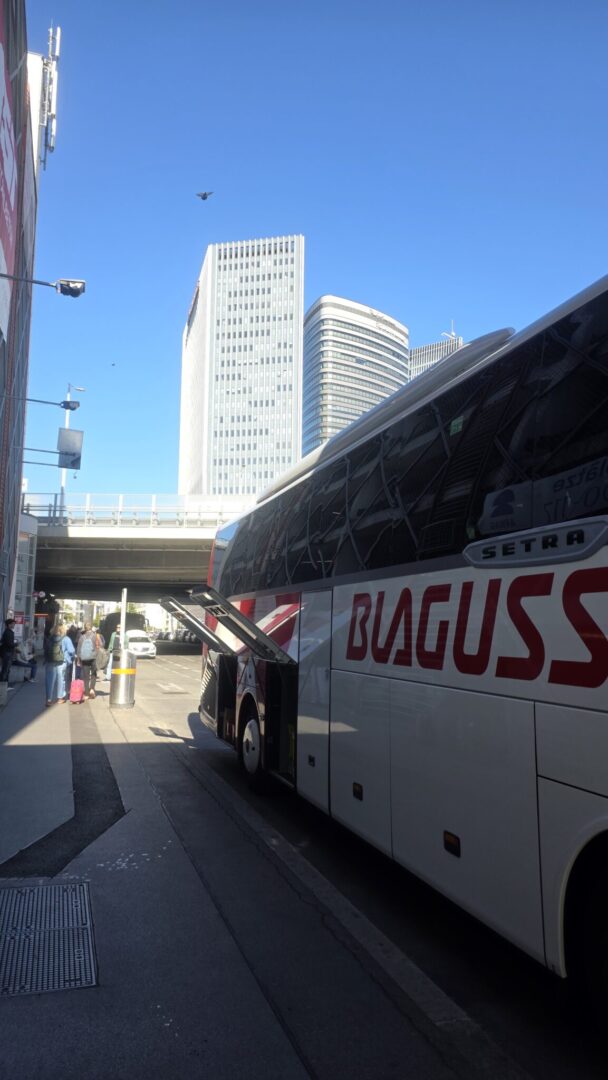
A few days before Julia’s birthday, I left home, closed the door and set off for the bus stop not far from us, in the Erdberg district. A direct FlixBus runs from there to Bratislava airport, and I got there quite comfortably and without any problems. The ticket cost about 10 euros and the whole journey took a little over an hour. It was convenient and inexpensive, and the trip didn’t cause any particular difficulties.
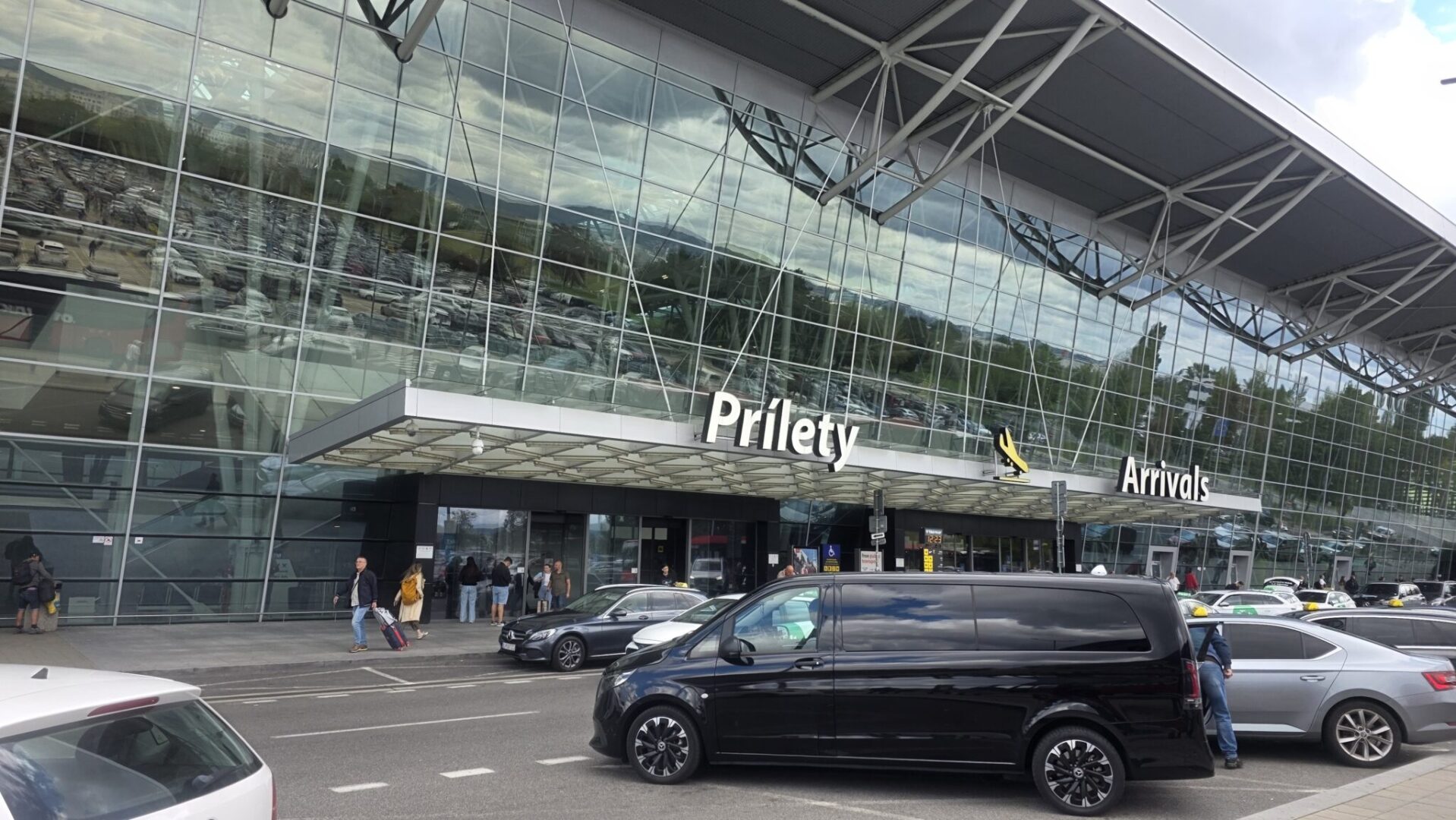
This was, you could say, the first small part of my journey, since I had never been to Bratislava airport before. And I have to admit that I liked it: small, cosy and modest, but with everything you need. There were decent toilets, a place to grab a bite, and enough free seats to sit quietly with my phone and answer emails. An airport like that suited me perfectly.
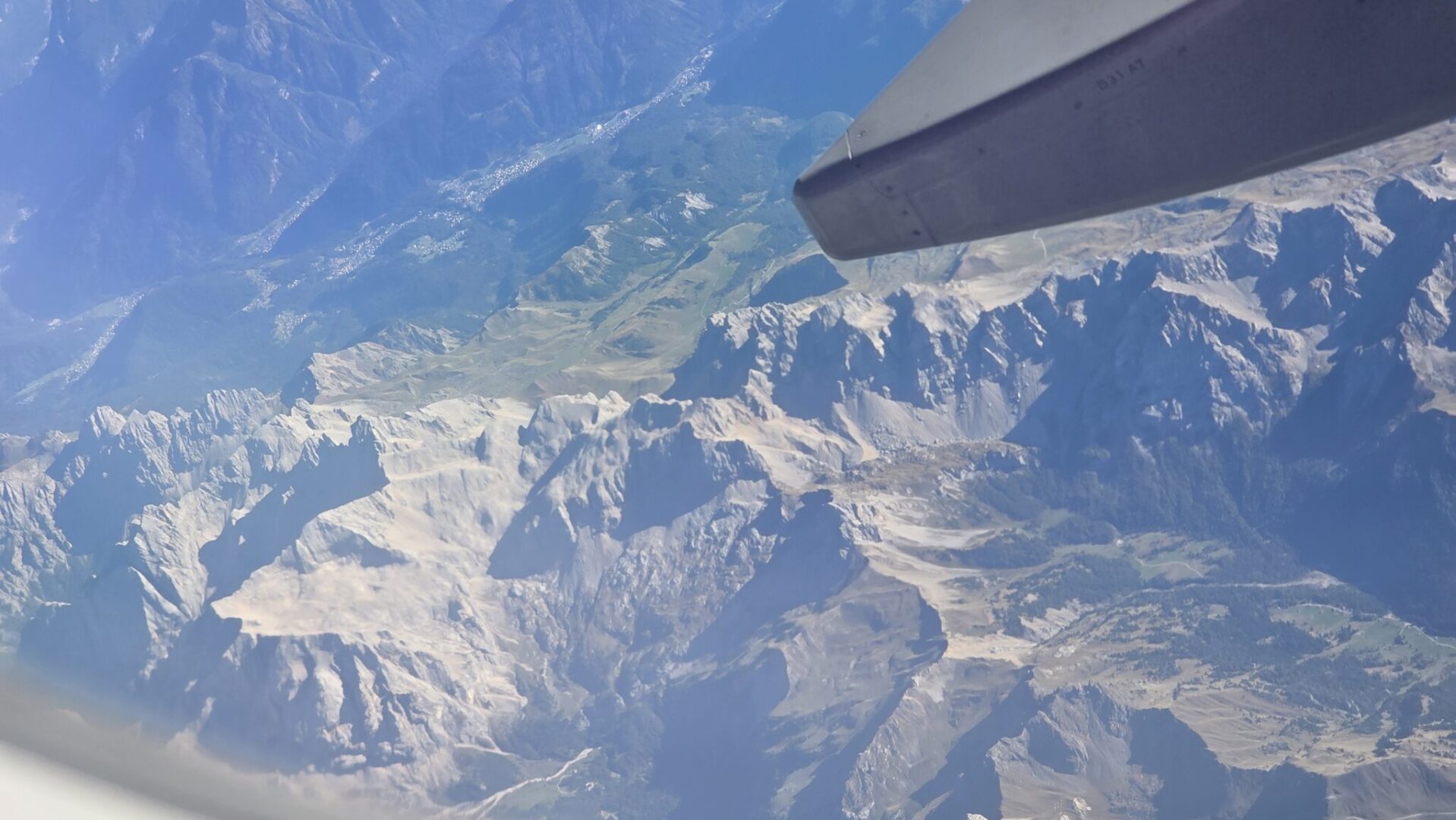
The flight took about 3.5 hours, roughly the same as a flight from Vienna usually takes, and it was completely uneventful. And this time I was especially lucky with the views from the window. The sky was clear, so I managed to take quite a lot of great photos. First the Alps were clearly visible, in places with snow and glaciers, and later, as we approached Spain, I was able to photograph several mountain ranges on Spanish territory.
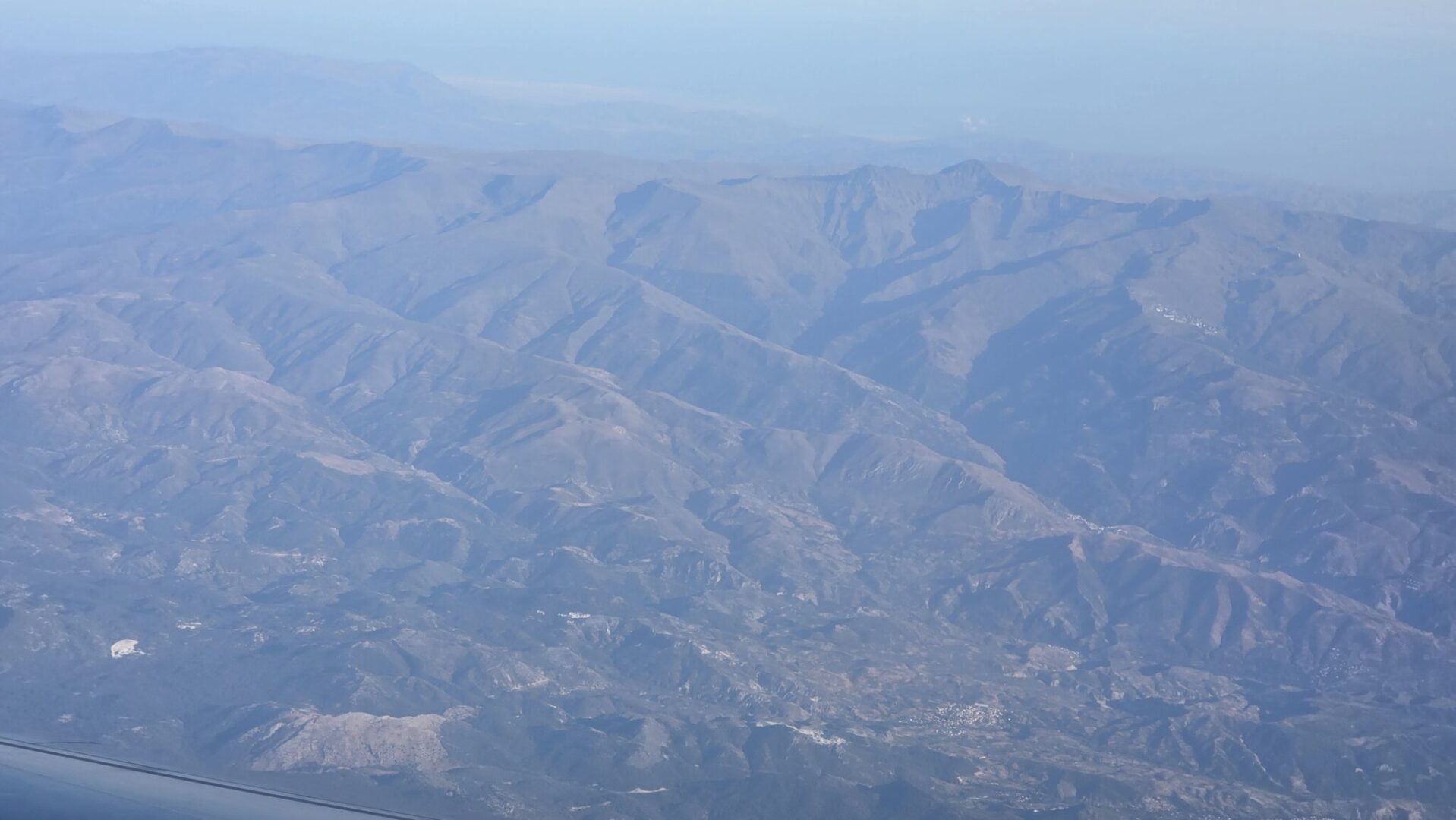
It all looked truly beautiful. On the way I even managed to see Mallorca, although the island was in a light haze and the camera, unfortunately, couldn’t capture it properly. But it was interesting to at least see it from up there.

By evening I had landed at Malaga airport, which is already familiar and dear to me. I always like its atmosphere of joy and happiness. A huge number of people of all ages arrive here from other countries in an incredibly good mood. Laughter and lively conversation can be heard everywhere, and you can feel that wonderful holiday spirit.
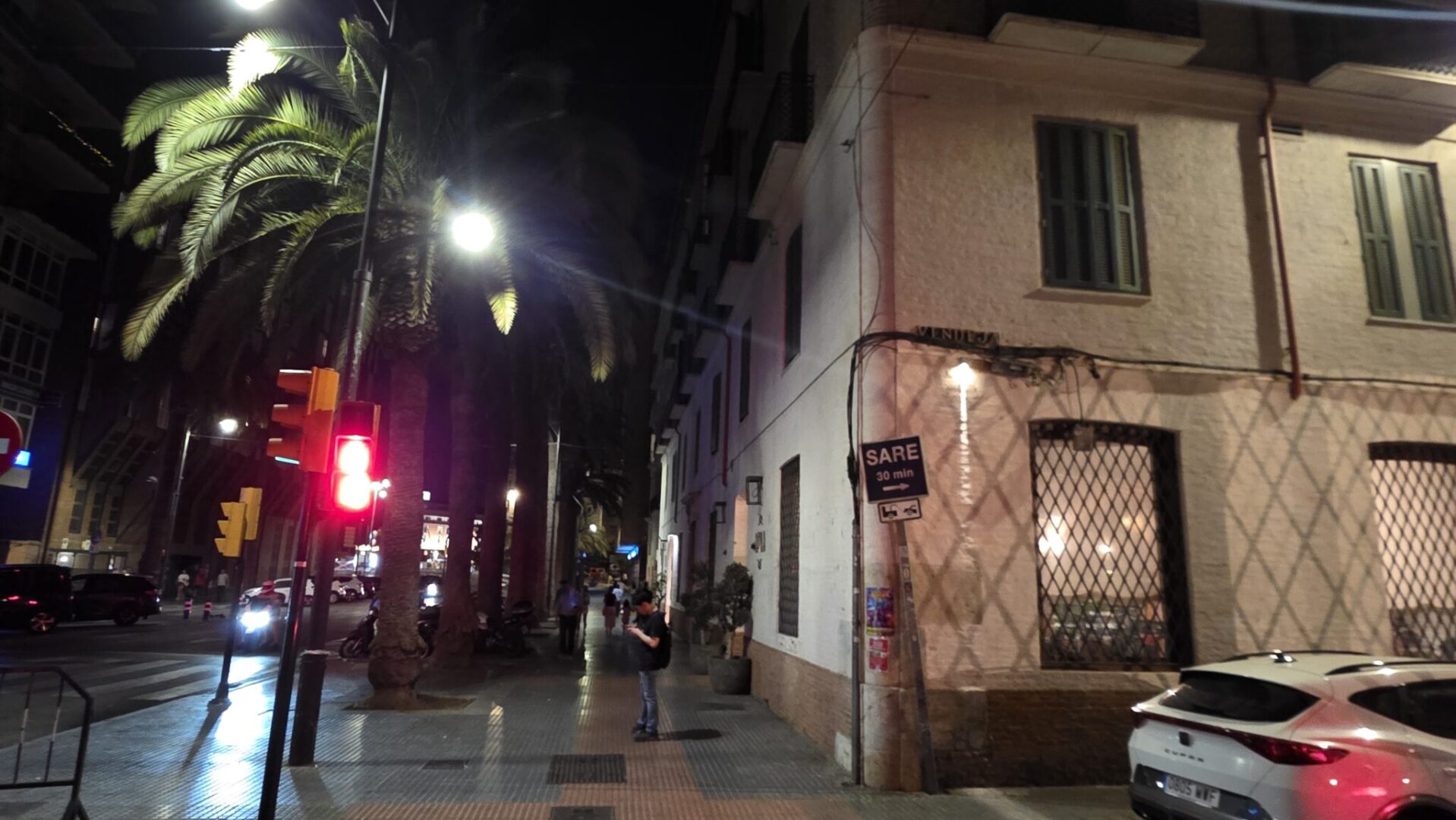
From the airport I took the usual route down to the railway station, where the commuter trains leave for the centre of Malaga. This time, though, I had even slightly forgotten how to buy tickets. It turned out that everything isn’t as clear-cut and logical as I’m used to in Austria. Austrians love instructions, rules and all kinds of prompts, and they are simply fanatical about them. In Malaga I had to spend 3–5 minutes figuring out the machine. But in the end it worked out, and soon I was on my way into the city.
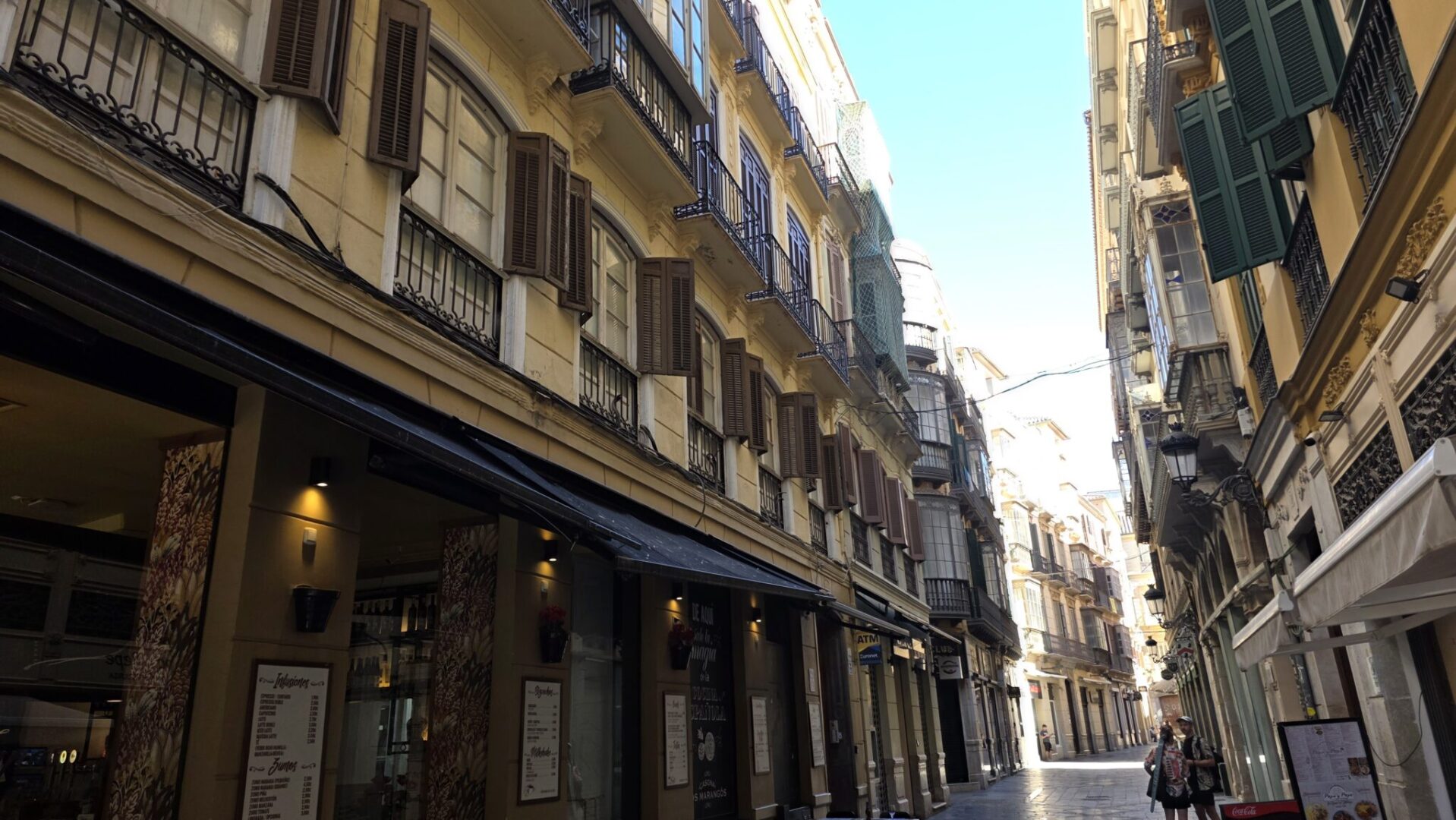
Malaga greeted me with incredibly pleasant, slightly humid, maritime, yet completely summery weather. The temperature was around 25 degrees, the sun was gradually setting, and it was still surprisingly comfortable outside. You step out of the station and immediately hear the screams of crazy parrots going wild somewhere up above, among the palm trees. All around are people who seem to have long since forgotten that warm clothes exist, and who, I think, have no intention at all of putting them on.
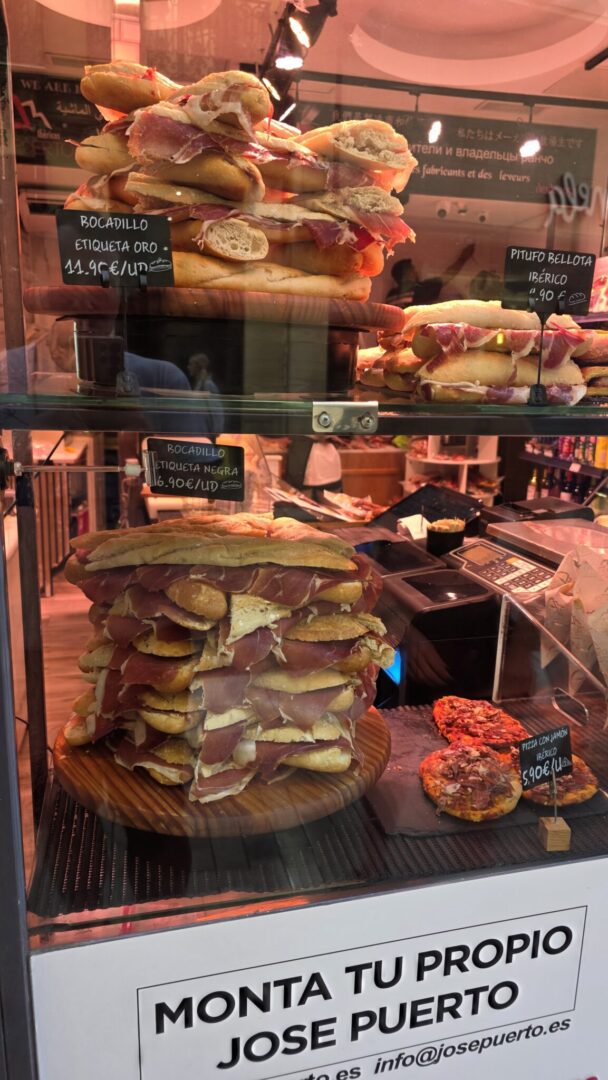
While waiting for Julia, who was coming from Madrid, I decided to pop into the Mercadona near the station and buy the most important things a person should buy on arriving in Malaga: cerveza, that is, beer in Spanish, jamón and tomatoes. In my view, that’s quite enough to make any evening a good one. So there I was, standing with my purchases, waiting for Julia’s train to finally arrive from Madrid. At some point a woman, noticing my collection of beer, ham and tomatoes, said something cheerfully to me in Spanish. Judging by her expression and gestures, she was joking that I had bought a proper first-aid kit made up of the three most essential products. I smiled and replied that yes, I completely agreed, but unfortunately I was a tourist and didn’t speak Spanish. Then she repeated her joke in English, and we were able to understand each other.
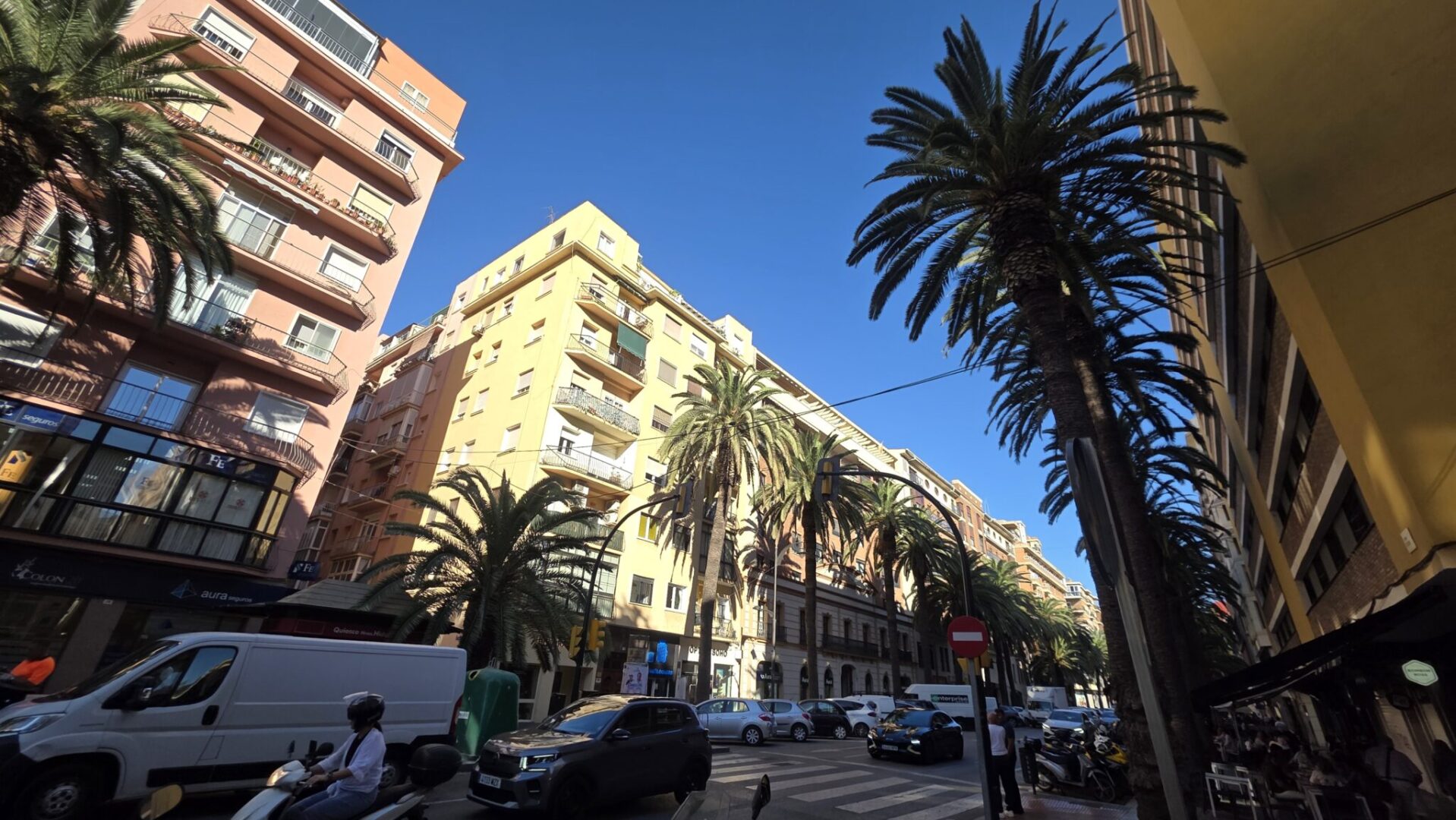
Julia and I met after a couple of days apart and went to our apartment, which was in the district called Soho. Incidentally, I didn’t even know before that Malaga has its own Soho. It turns out to be a very small neighbourhood next to the old town. Our flat was spacious, fairly cosy and comfortable, with three rooms, a separate kitchen and a living room, so there was plenty of space. Besides, friends were due to join us later, so both the accommodation itself and the area it was in suited us completely. After dropping off our things, we tried to get to the old town as quickly as possible, to our favourite bar La Tranca, where we were going to meet a British acquaintance who has been living in Malaga for several years. It was incredibly nice to be back in the city in the evening, a city that at 9 o’clock still keeps up a life so full that you’d hardly find anything like it in Vienna, for example. The restaurants are packed with tourists and locals, there are huge numbers of people in the streets, and all around there’s a feeling of crazy, endless celebration. We really love this about Malaga.
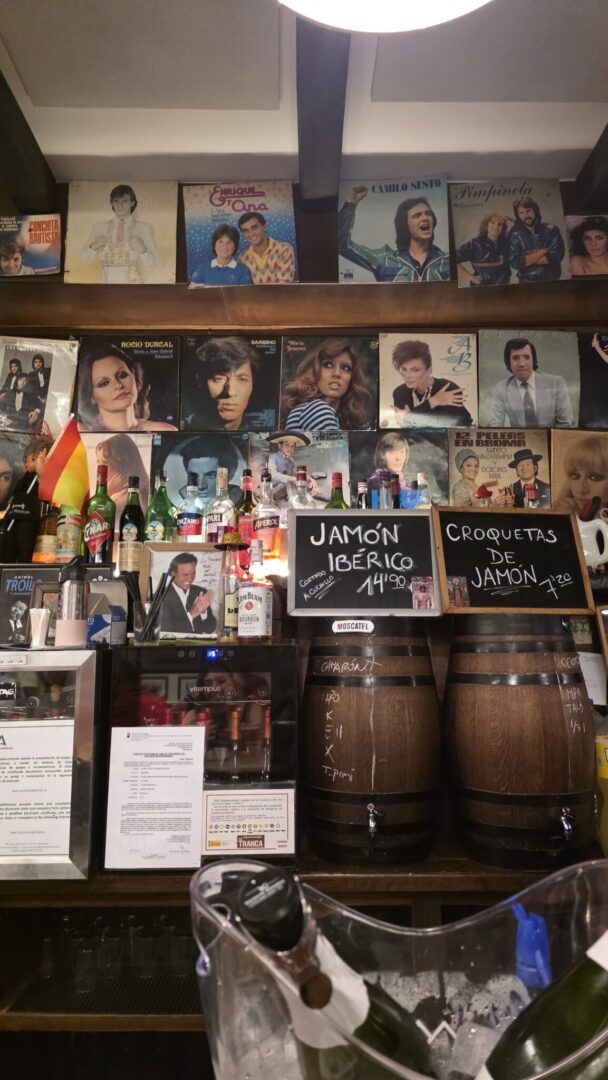
At the same time, you feel remarkably safe here. You don’t get the sense that you have to keep looking over your shoulder or worry about your wife. Of course, all sorts of people turn up on the streets. Someone has had a bit to drink, someone doesn’t look quite the way you’d like, but overall the feeling is completely different from what I’ve experienced in many other cities in Italy and Spain. Having walked through the centre of Malaga, which we know well, we reached La Tranca, a small bar in the old town where we’ve been many times. We love the food here, the atmosphere and the crowd, which is mostly older people. Spanish and Italian music plays, and you can eat well, have a drink and simply relax in pleasant company.
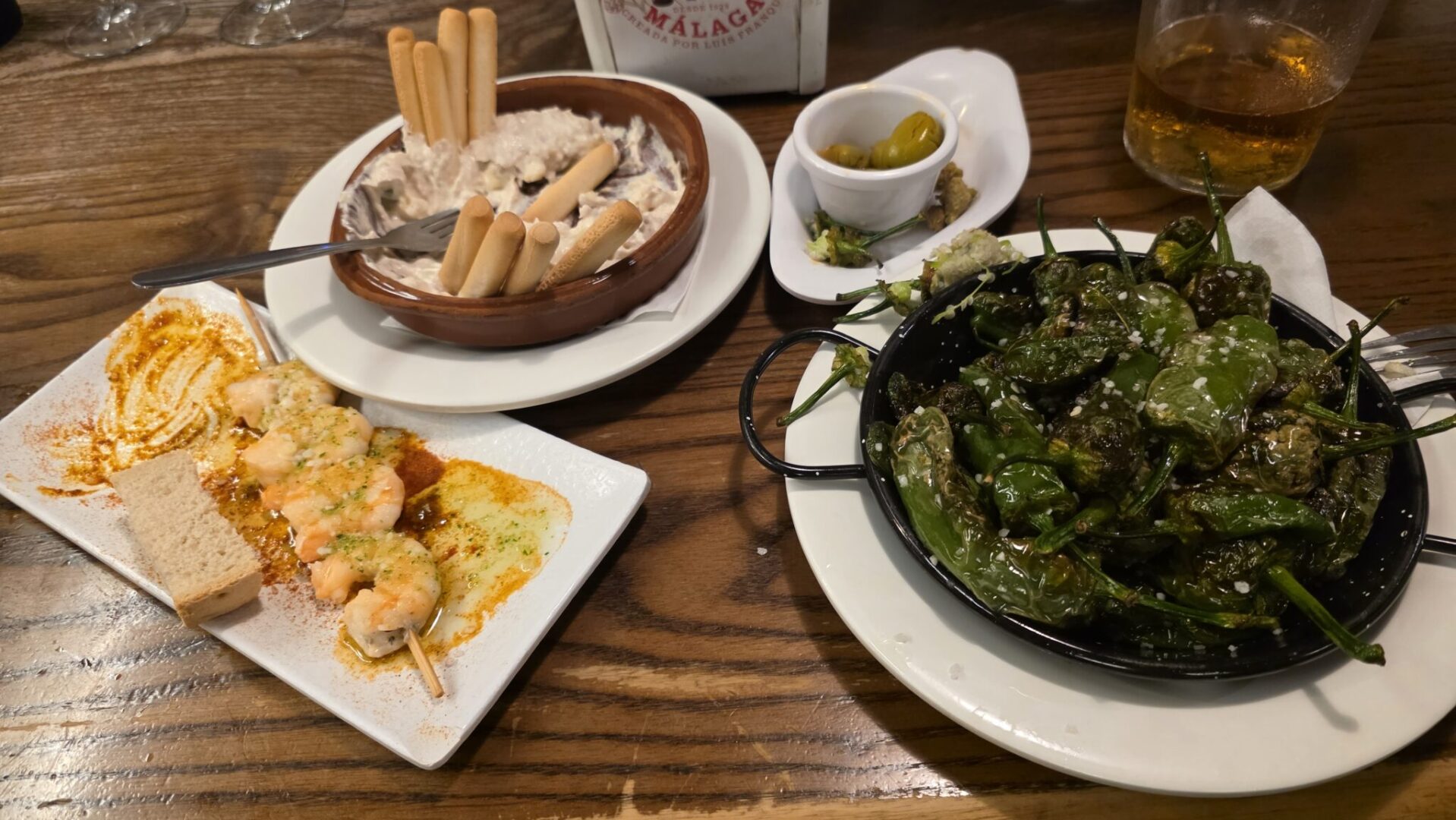
We arrived a little earlier than our friend George, ordered food and drinks, and were happy to finally be in Malaga again. No matter how many times we come here, I always get the feeling that I’m in some kind, safe place where it’s simply good to be. When George arrived, the evening became even more fun and bright. We had brought him gifts from Eurovision, which was held in Vienna this year, and he’s a big fan of the contest, so he was especially pleased. Later we moved to another bar. I generally like this tradition, usual in Spain and Italy, of moving from one place to another in the evening, depending also on how late a particular bar stays open. That’s how our first evening in Malaga went, truly kind and heartfelt.
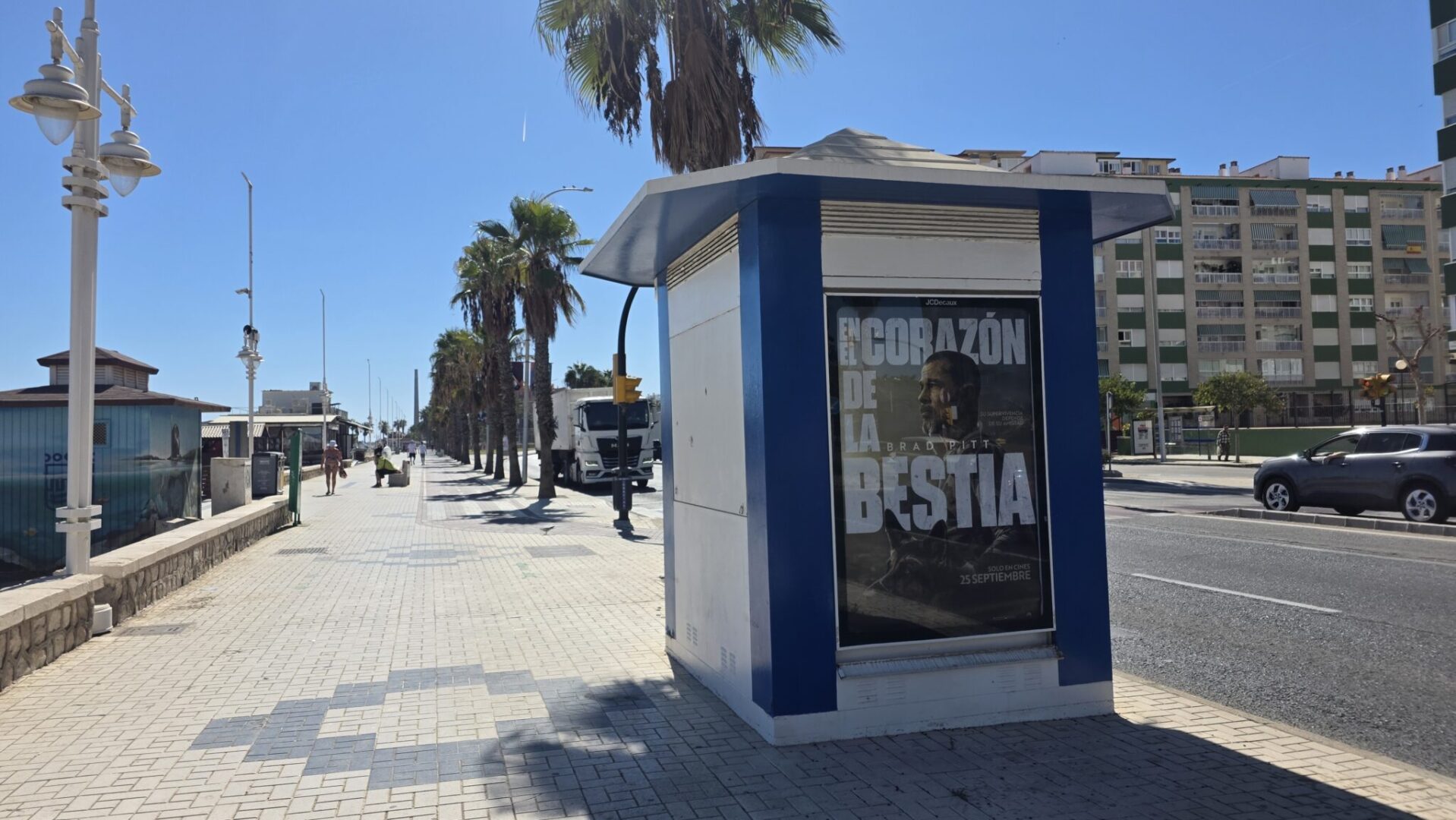
The next day we headed to the coast almost from early morning: we admired the sea, ate, relaxed and simply enjoyed being by warm water again. Swimming was very pleasant, the waves were small, and the sea was still quite warm. Besides, just a few steps from our spot there were little restaurants where the freshest food was cooked right over an open fire, so we could take our time and enjoy the rest. I’d go over to the restaurant and buy us beer, and the time flew by.

In the evening of that same day, friends from Austria came to join us, and we went walking around the centre of Malaga again, moving from one little bar to another and having a great time. Closer to midnight we returned to our beloved La Tranca. Since we already know the guys who work there a little, we could ask them to play a suitable Spanish song to mark the birthday that had just begun. And at exactly 00:00, Julia’s celebration began! That was the first part of our congratulations.

And the very next day we actually celebrated. In the morning I went to get flowers and a little cake, and our friends prepared another wonderful surprise on their own, blowing up lots of multicoloured balloons. So the morning turned out pleasant, joyful and fun. We planned to spend the rest of the day on the coast, relaxing by the sea and not doing anything in particular. But chance intervened. On 25 September itself, when Julia usually receives a huge number of greetings, her phone broke. The screen simply stopped turning on, and the many friends and acquaintances who were congratulating her on her birthday couldn’t get any reply.
We had to change our plans and go to MediaMarkt to buy the cheapest phone that could be bought and set up quickly. The main thing was that WhatsApp and Telegram worked and Julia could at least reply to people’s greetings. That’s life for you! Nothing terrible, of course. It’s good that we had the chance to sort this out, and above all that our friends took the situation with understanding and didn’t get angry or upset about the forced delay.
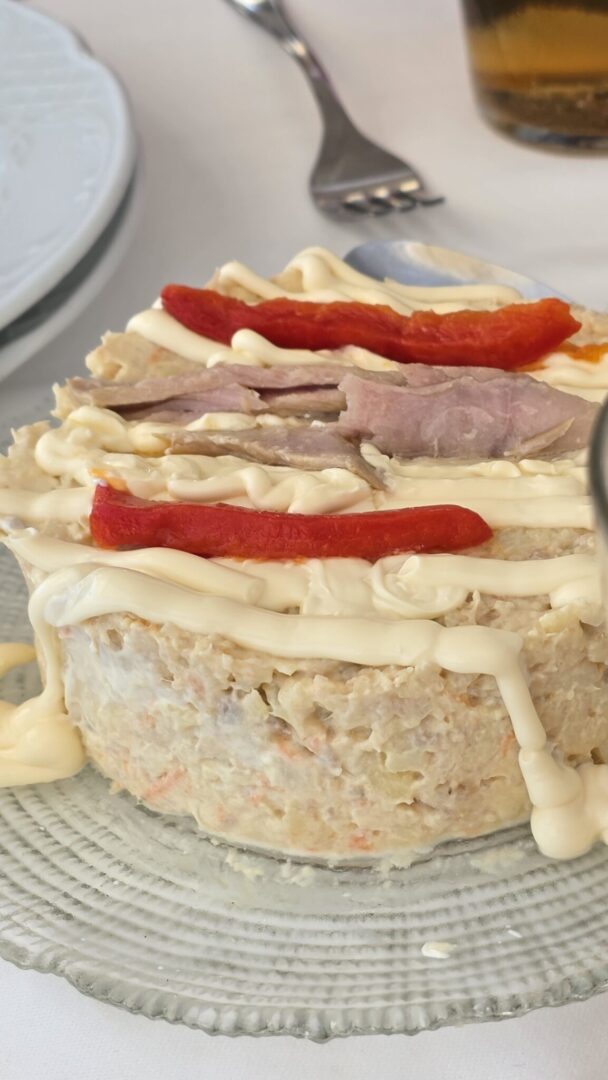
The only thing I’d like to point out is that in Spain you need to be very adaptable to the speed at which local staff work. They’ll do everything quite slowly, but they’ll happily talk to you about practically anything except selling a phone, that is, their actual job. So we stayed in the shop a bit longer than we’d expected, but in the end we bought everything we needed and headed back to the sea.
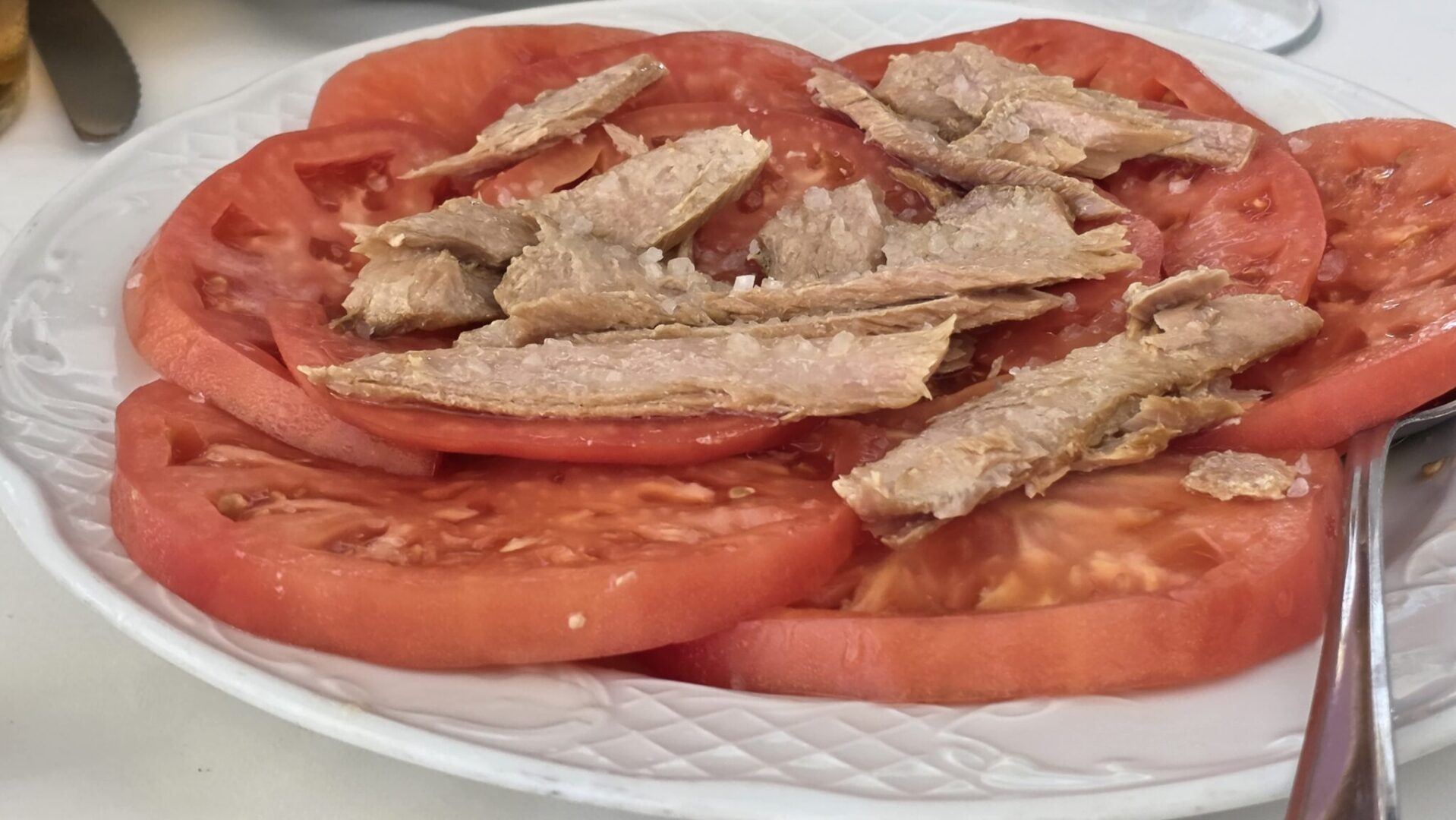
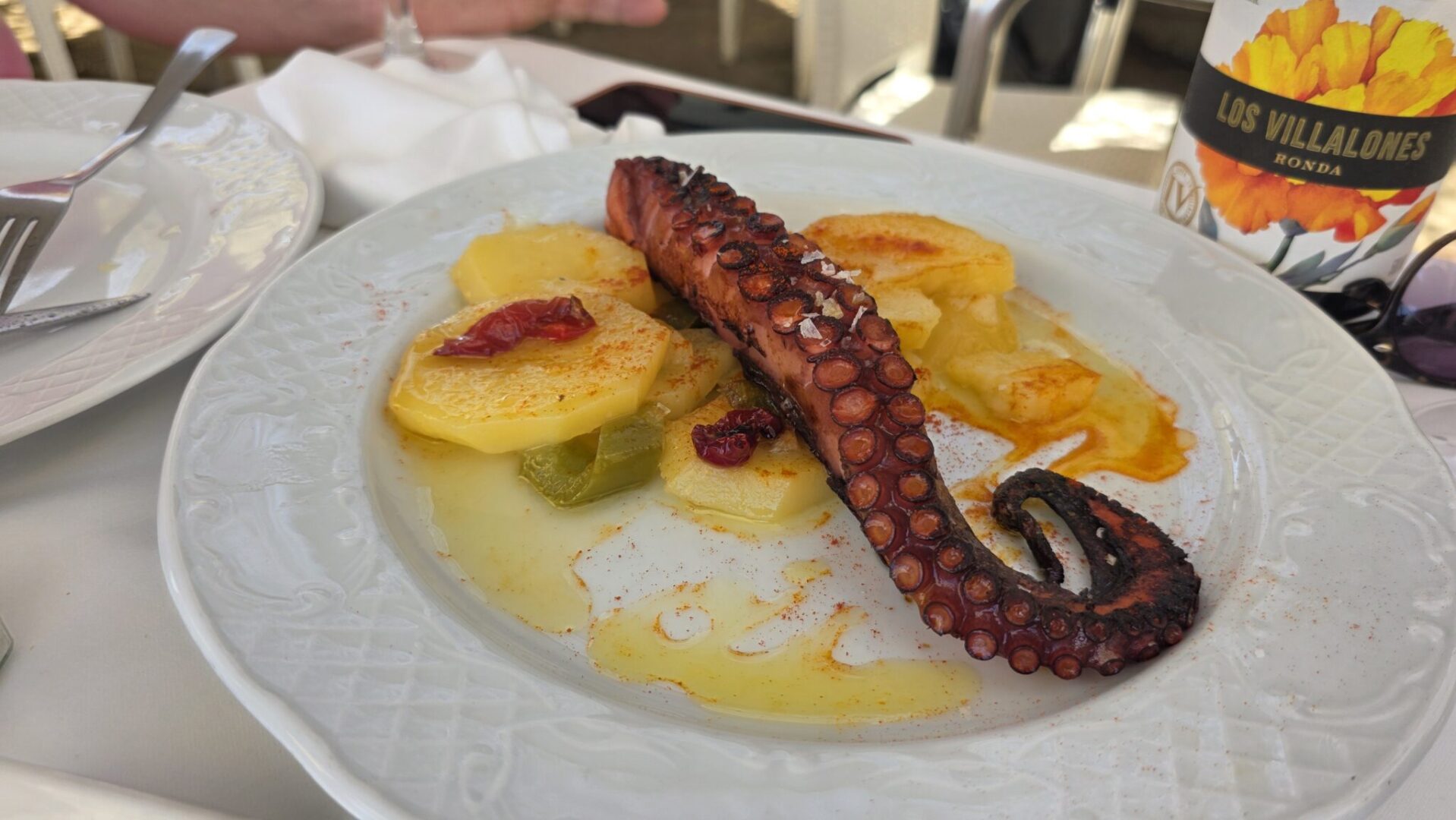
There we ordered our favourite dishes, sat, chatted and enjoyed the rest. Julia loves gazpacho, the famous cold tomato soup, which we’ve ordered in Malaga more than once. But for some reason this time it was brought in a glass! Before, gazpacho was always served in a bowl, like an ordinary puréed soup, and here it was unexpectedly brought in a proper glass, like a wine or beer glass. I found that rather surprising.

What delicious food there is in Malaga, and how quickly time flies there! We really enjoyed every minute in the sun by the sea. The weather was magnificent, and all around us were an incredible number of beautiful, kind, friendly people, so relaxed and content with life. And you gradually sink into a pleasant state of calm, freedom, contentment and even slight melancholy, but in the kindest and best sense of the word.
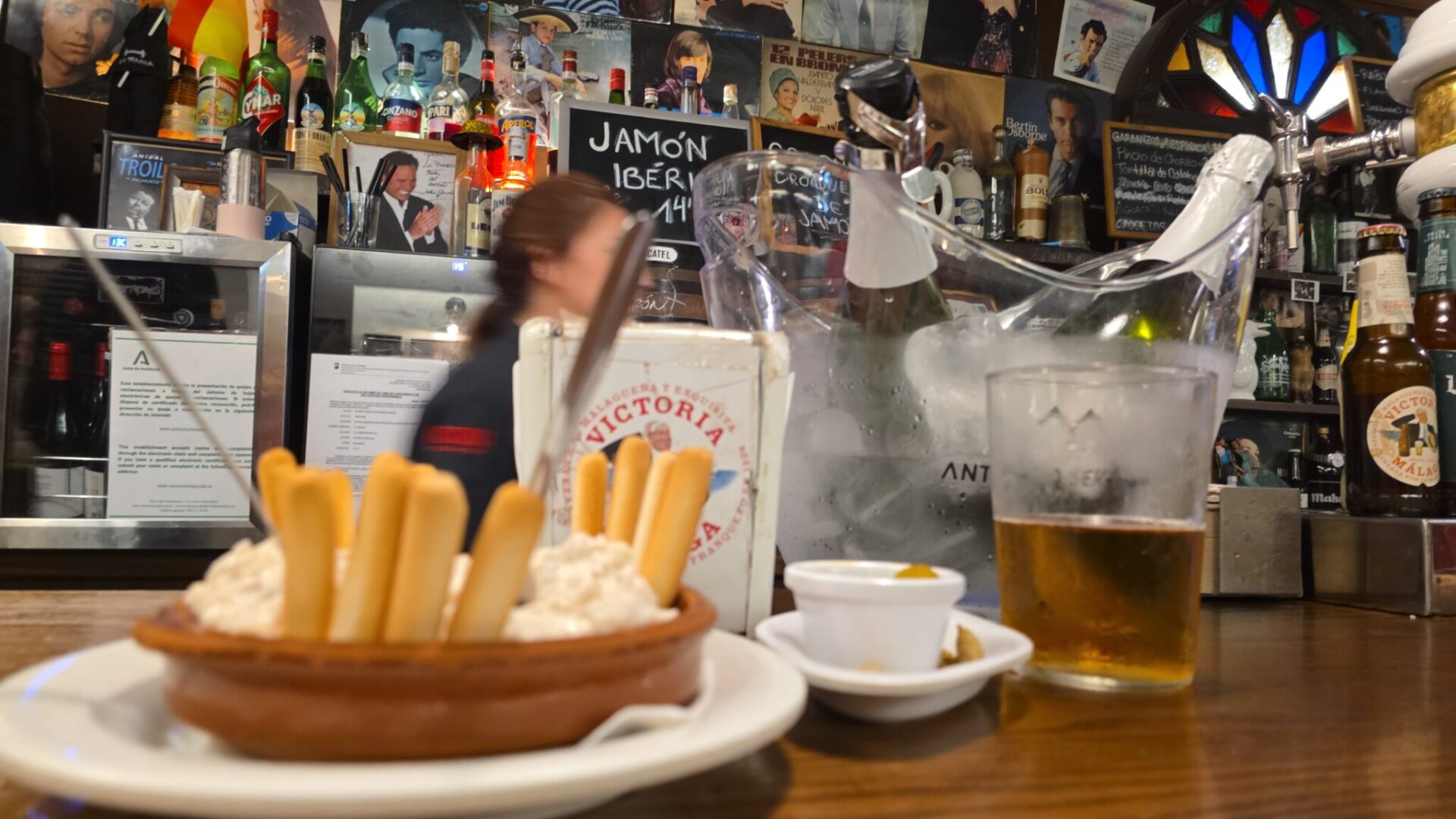
I won’t repeat myself any further, but the next day went much the same way as 25 September. We walked around the city a lot, dropped into various places, had a drink here and there, ate well, lay on the beach and tried not to invent any compulsory programme for ourselves that would force us to rush off somewhere or make sure we fitted something in.
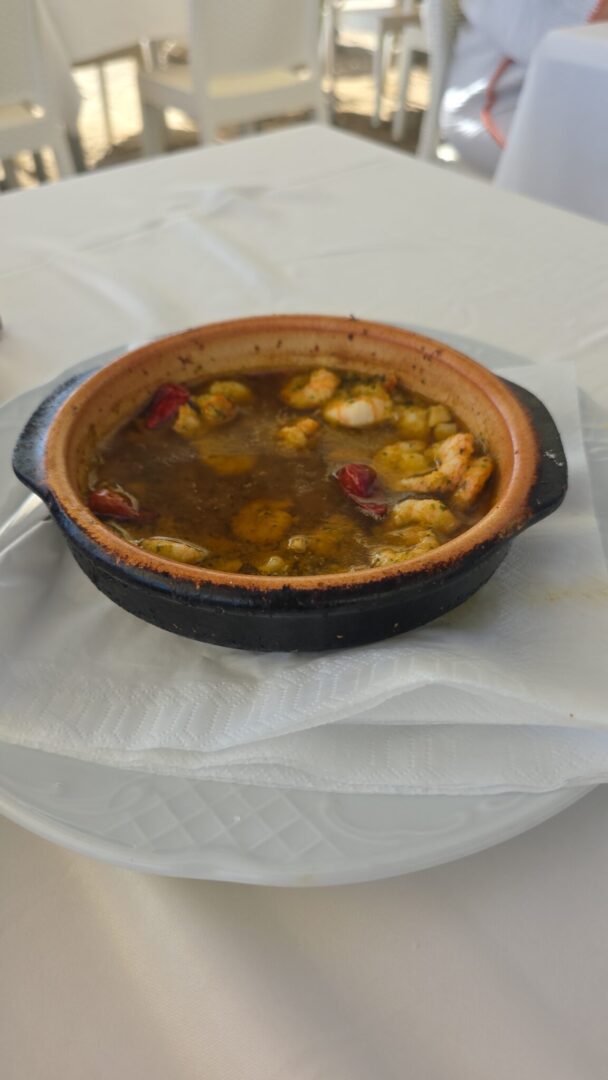
And I can say quite honestly that these were among the best weekends we’ve spent in Malaga. Everyone was in a good mood, nobody quarrelled, nobody worried about anything or was in a hurry. We set no goals for ourselves, which means everybody won. I think that in 2026 Malaga once again managed to delight us with its serenity and the beauty of doing nothing.
You may also like these articles:
- Sziget 2026 — Part 2. Day 0
- The History of the Austrian Town of Straßburg
- An Emigrant’s Observations: How to Improve Your Chances of Getting Lucky as an Emigrant
- Lise Meitner: An Outstanding Researcher of the 20th Century from Austria
- Sziget 2026 — Part 1. The Beginning
- The History of the Austrian Town of Peuerbach
- An Emigrant’s Observations: My Strongest Motivation in My New Country Is the Fear of Returning to My Homeland
- New Restaurants in Vienna Opening in November 2026
- Josef Petzval: The Austro-Hungarian Mathematician Who Was Ahead of His Time
- Photo Report from Almost-Summer Malaga 2026
- The History of the Austrian Town of Bad Aussee
- Anti-Jewish Pogroms in Vienna, 9–10 November 1938
- The Most Beautiful Christmas Markets in Vienna
- Andrea Bocelli Live in Vienna: A Look Back at the Concert
- An Emigrant’s Observations: What “Home” Means After Nine Years Abroad
- An Emigrant’s Observations: My Nine Years in Austria
- An Emigrant’s Observations: Reverse Culture Shock
- My Beloved Vienna: By the Numbers, Not Just from the Heart
- An Emigrant’s Observations: A Fresh Look at the Exhausting Process of Adapting to Another Country
- Photo Report from Donauinselfest 2026. Part Two: Giant Rooks and Another Evening on the Island
- Photo Report from Donauinselfest 2026. Part One: My Ugly Clementine
- An Emigrant’s Observations: The Russian Language Without the “Russian World”
- Marilyn Manson Live in Vienna: A Look Back at the Concert
- An Emigrant’s Observations: Feeling Guilty About My Good Life
- An Emigrant’s Observations: What Surprises Me About the Austrian Attitude to Beer
- LP Live in Vienna: A Look Back at the Concert
- An Emigrant’s Observations: Anti-Putinism and the Imperial Lens
- An Emigrant’s Observation: How Big Is Our Small World?
- An Emigrant’s Observation: How Difficult Is It to Make New Friends?
- It’s My Birthday Today!
- My Life in Austria: July 2026
- An Emigrant’s Observations: My Toxic Homeland —Yesterday, Today and Tomorrow
- Ricchi e Poveri Live in Vienna: A Night of Music and Memories
- An Emigrant’s Observations: Simple Ways to Support Your Emotional Well-Being
- Eisenstadt in Pictures: A Day in a Small Austrian City
- Exploring Vienna’s Neubaugasse Flea Market
- Sofia Isella Live in Vienna: A Concert Review
- An Emigrant’s Observations: When Mistakes Become Toxic While Adapting
- An Emigrant’s Observation: Extreme Heat in Europe and Austria in 2026
- My Emigration to Austria: June 2026 Recap
About the project:
My name is Anatoly, and I am the author of Emigrants.life. In 2017, my family and I emigrated from Krasnodar to Austria. My wife and I work in marketing, and we created Emigrants.life to help people who are thinking about moving abroad.
Emigrants.life publishes daily news about life and everyday matters in Austria and Europe. Follow us on Facebook, Instagram and Twitter, or join our Russian-language Telegram channel.