
After 9 years of living in Austria, we have become used to the incredible comfort that can be found almost everywhere here. A calm life, tasty tap water, excellent infrastructure, convenient public transport, many cozy parks, impressive bike lanes running through the whole city — all of this creates a level of comfort and order that is hard to imagine for someone who lived in Krasnodar for 35 years. But despite all this comfort, built over many years, there is one topic in Austria and in Europe in general that I would like to talk about today. It is connected with climate change, heat, and the way European countries are adapting to this problem.

June in Austria is usually a fairly cool month. At the beginning of this June, there was quite a lot of rain, the weather was windy, and Julia and I often wore jackets — ordinary autumn and spring jackets, because it was genuinely cold. At night, the temperature dropped to 9 degrees, and together with the wind and high humidity it felt like 6 or 7 degrees. Maybe we have partly got used to this kind of weather, but for summer it is still unusual. By Austria’s historical standards, such cool weather in June does not look completely strange. But over 9 years of living here, I have noticed that the weather is changing: from year to year, summers are becoming hotter. The climate is changing all over the world. Last year, for example, there were several days when the heat stayed at around 35 or 36 degrees. This year, already in June, the temperature went above 39 or 40 degrees. And this is only the beginning of summer. At moments like this, you start to worry: how are we going to live further if in Austria and Europe the topic of air conditioning is still seen as something almost inappropriate, unwanted, and somehow forbidden?
When you are an immigrant in a new country, your ability to adapt and remain flexible develops very strongly. I have already written about this in a separate article. Without flexibility and the ability to adjust to external factors, immigration becomes much harder, and sometimes ends in deep disappointment for a person. A new country and a new society do not simply force you to change. Rather, you gradually begin to understand the need to transform yourself, learn new things, and adapt to new conditions. For me personally, this process is connected with growth, maturity, and moving forward. In my view, Austria’s old historical memory — the idea that it has always been cool and fresh here, and that air conditioners are not really needed — now prevents the country from seriously thinking about new climate challenges. People are used to the idea that heat can somehow be endured, because it was endured before.
Here I am not only talking about the possibility of cooling your own apartment. That possibility exists: there are portable cooling systems, public places where you can spend time, and many apartments keep cool better because of energy efficiency. What worries me more is the lack of energy in the public discussion itself. In this lack of energy, you can see a refusal to keep adapting and to show the very flexibility without which life in the new climate will become harder and harder.
Today Austria, Germany, and many other European countries show a lack of flexibility even in such a simple everyday question as ordinary air conditioners. And this, in turn, gives far-right parties a chance to quickly pick up public frustration and make it part of their election rhetoric. When I speak about heat as someone from Krasnodar, I take it rather calmly. For me, heat itself is a familiar life experience. In Krasnodar, temperatures of 40 to 45 degrees could last for weeks, sometimes almost for months, and the city lived in a mode of running from one air conditioner to another. I am used to this, and the topic itself does not confuse me.
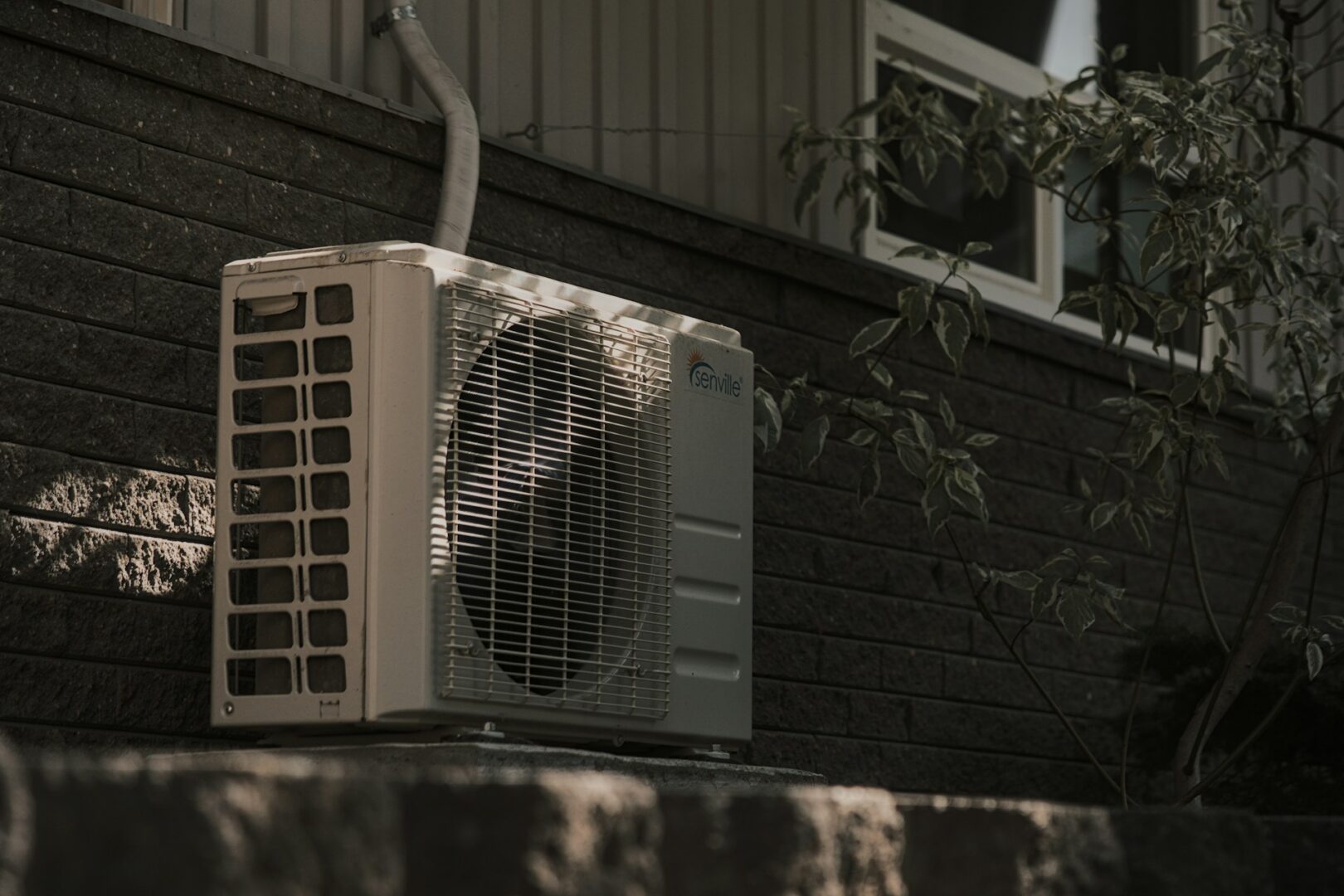
European heat of around 40 degrees worries me for a different reason. In Austria, Germany, France, Poland, Denmark, and other European countries, there are huge numbers of people for whom such temperatures become a direct health risk. Elderly people, people with chronic illnesses, small children, pregnant women, outdoor workers, and residents of overheated urban districts are not facing unpleasant weather. They are facing serious physical stress on the body.
At the end of June 2026, the World Meteorological Organization reported that Europe had faced a record heatwave. Austria set a new June temperature record: 40 degrees were recorded in Vienna. Germany, Hungary, Poland, Czechia, Denmark, Switzerland, France, Spain, and other countries also recorded temperatures that were record-breaking or close to records. What matters is that all of this was already happening in June, at the very beginning of summer. The same World Meteorological Organization also reminded people that Europe is the fastest-warming continent. According to WMO climate scientists, in the 50 years since the historic heat of 1976, Europe as a whole has warmed by about 2 degrees. That is why the conversation about heat in Austria has long gone beyond ordinary seasonal complaints about the weather. It is about a new climate reality that affects homes, transport, healthcare, urban planning, and everyday life.
The topic of mortality is especially important. At the end of June 2026, the Director-General of the World Health Organization, Tedros Adhanom Ghebreyesus, said that since June 21, more than 1,300 excess deaths linked to extreme heat had been recorded in Europe. More than 150 million people on the continent were affected by this heatwave. Reuters separately reported that in Spain alone, official data linked 1,029 excess deaths to heat in June 2026. A study published in Nature Medicine shows that the problem is not limited to one extreme summer. According to the authors’ estimate, in 2023 heat caused 47,690 deaths in Europe. This was the second-worst figure for the period from 2015 to 2023, with only the summer of 2022 being higher. The same study says that without the adaptation measures that already exist, mortality could have been 80% higher, especially among elderly people.
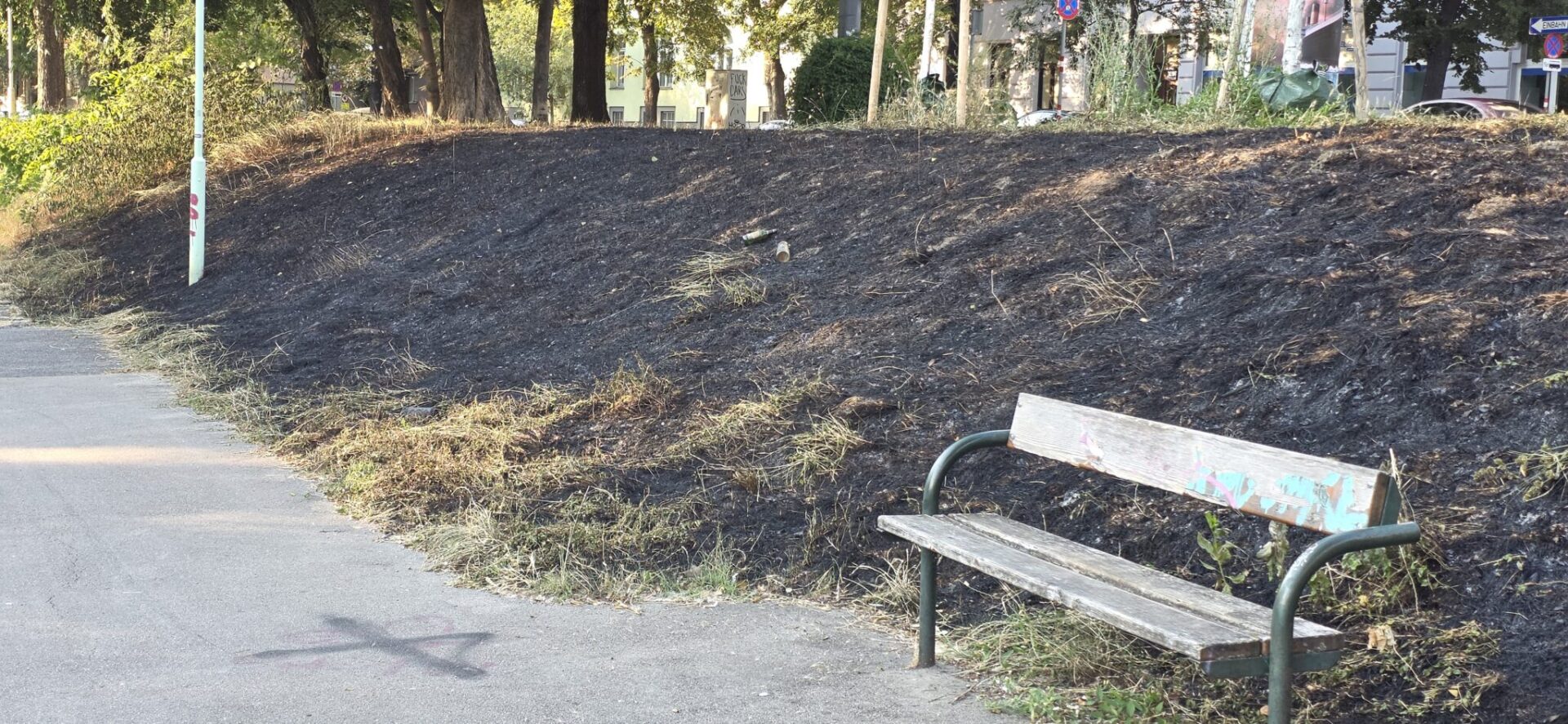
These numbers change the whole frame of the discussion. We can talk about the fact that air conditioners affect the environment, energy use, and the appearance of buildings. I understand these arguments and do not consider them empty. But there is also a reasonable limit to enduring heat. At some point, society has to look for ways to adapt, because the old habit of living without cooling no longer fits a world where the temperature in Vienna reaches 40 degrees in June. We can talk as much as we want about personal environmental responsibility: that people should consume less, fly less often, eat less meat, and use energy more carefully. All these discussions make sense. But alongside personal responsibility, there are external factors: the global economy, industry, different environmental standards in different countries, urban infrastructure, and the real condition of the housing stock. A person does not live inside an abstract climate theory. A person lives in a specific city, in a specific apartment, among specific risks.
If society does not take these factors into account, it may miss the most important thing — the health of its citizens. That is why, for me, the question of heat and cooling has long stopped being a question of everyday comfort or personal whim. It is a question of adapting to a world that has already changed. The meaning of all this data is that society can ignore a problem for years, but the problem will not disappear because of that. Even if all countries start listening more seriously to climate scientists and changing their policies in the coming years, this will not give us a 100% guarantee that the weather will quickly become milder and more familiar again.
Another important factor is Europe’s aging population. According to Eurostat, in the European Union alone, more than one fifth of the population is already over 65. In these conditions, heat becomes a safety issue for many people. Elderly people, small children, and people with chronic illnesses need spaces where they can breathe normally, sleep, recover, and not expose their bodies to constant heat stress. That is why the conversation about cooling homes and public spaces is connected with protecting health. It is about the possibility of keeping yourself and your loved ones safe. In this topic, an air conditioner can be seen as a symbol of adapting to external factors, because there are many things in our lives that we cannot change.
At some point, I understood that I would not be able to change Russia, and that is why I moved to Austria. But Europe, with its hundreds of millions of residents, can change its cities, homes, rules, and public habits. It can make life safer and more comfortable for a large part of the population in a world where heat is becoming a serious challenge. At the same time, environmental arguments also cannot simply be dismissed. Mass air conditioning really does increase electricity consumption, puts additional pressure on power grids, can make summer peaks in demand even higher, and adds heat to the urban environment. Old air conditioners and poorly designed cooling systems can be noisy, inefficient, and harmful to the climate because of refrigerants. In old European buildings, there is also the question of façades, architectural appearance, rules for residents, and technical restrictions.
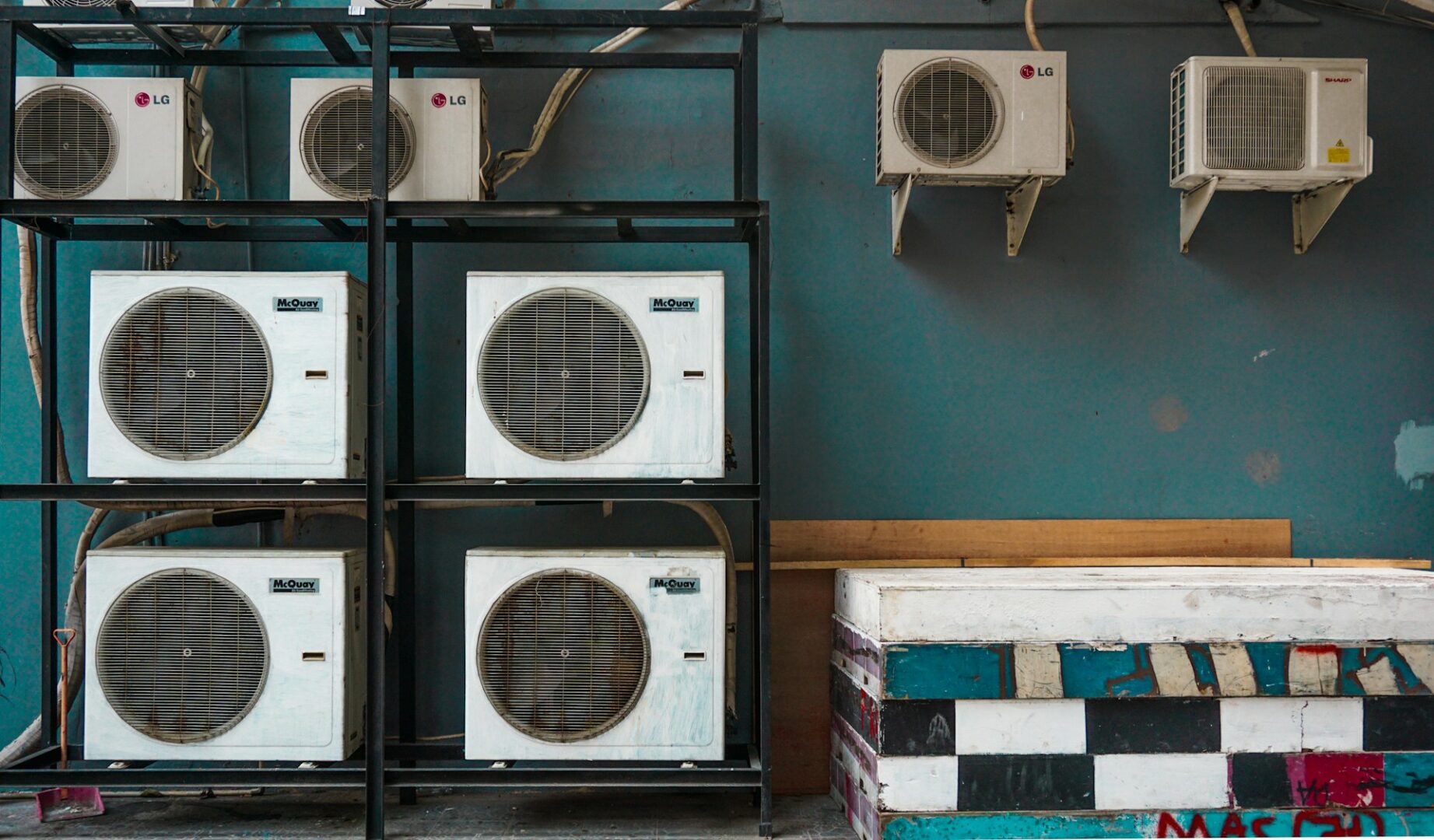
But the environmental argument should lead to a reasonable adaptation policy, not to a refusal to discuss cooling at all. A modern city can think more broadly than simply “let’s put an outdoor unit on every façade.” There are energy-efficient air conditioners, heat pumps, external blinds, good insulation, street greenery, shade, cool public spaces, cooled libraries, museums, schools, hospitals, and nursing homes. Some cities are even developing district cooling systems, where cooling is supplied to buildings through urban infrastructure. So an honest environmental conversation should compare real risks: on one side, growing energy consumption, pressure on power grids, and the need for thoughtful regulation; on the other side, overheated apartments, sleepless nights, elderly people in danger, children in stuffy rooms, hospitals, workplaces, and urban districts that become difficult to live in during hot weeks. It looks strange when care for the environment turns into an everyday ban on adaptation. It is much more reasonable to look for ways to cool homes and cities while causing less harm to the climate and protecting people at the same time. In the new climate reality, environmental responsibility and care for health should work together.
The year 2026 shows how unpredictable today’s world has become and how difficult it is to plan the future decades ahead. Insane wars, which also poison the environment, constant disasters, climate shifts, ecological catastrophes — all of this is already happening and will most likely continue to happen. We cannot completely remove these risks from our lives. That is why open dialogue, the willingness to recognize new circumstances, and the search for adequate solutions to the situations we face are especially important. For me, as an immigrant living in another country, this is also a question of freedom to express my position. It is the possibility to speak openly about a problem — something I, for example, did not have in Russia. As far as I can see, in Europe this kind of discussion is treated quite calmly, unless we are talking about very extreme views.
Today it is important for us to look for ways to respond to an external problem. Heat, climate change, overheated cities, and an aging population require not beautiful speeches about endurance, but practical adaptation to reality. There is a well-known idea: the most adaptive survive. If Europe wants to preserve its quality of life in the future, it needs exactly this — adaptation. I am sure that flexibility is one of the main keys to future prosperity. For me, immigration became the most personal proof of this idea. When reality changes, a person has to change habits, decisions, and ways of living. States, cities, and societies have to do the same.
And an air conditioner is just a simple symbol.