
Julia and I have been living in Vienna for many years now, and during that time concerts have become a regular part of our lives. Our cultural life became noticeably more active after we moved, and some events have even turned into annual traditions. In summer, we try to make it to Donauinselfest, especially when the programme includes musicians we have wanted to hear for a long time. Austria has so many festivals in general that we sometimes joke that two tents and one guitar are enough to call something a festival here. Donauinselfest, however, has long since moved beyond that level of modesty.
We have some very good memories connected with it. In 2024, we saw Alice Merton here. I had liked her song No Roots for a long time, and the chance to hear her at a free city festival was quite appealing. We also came to the island last year, so by this summer the main question was which artists to choose from the programme. Despite its enormous scale, Donauinselfest still feels to me like a Vienna celebration where local residents come to spend part of their weekend.
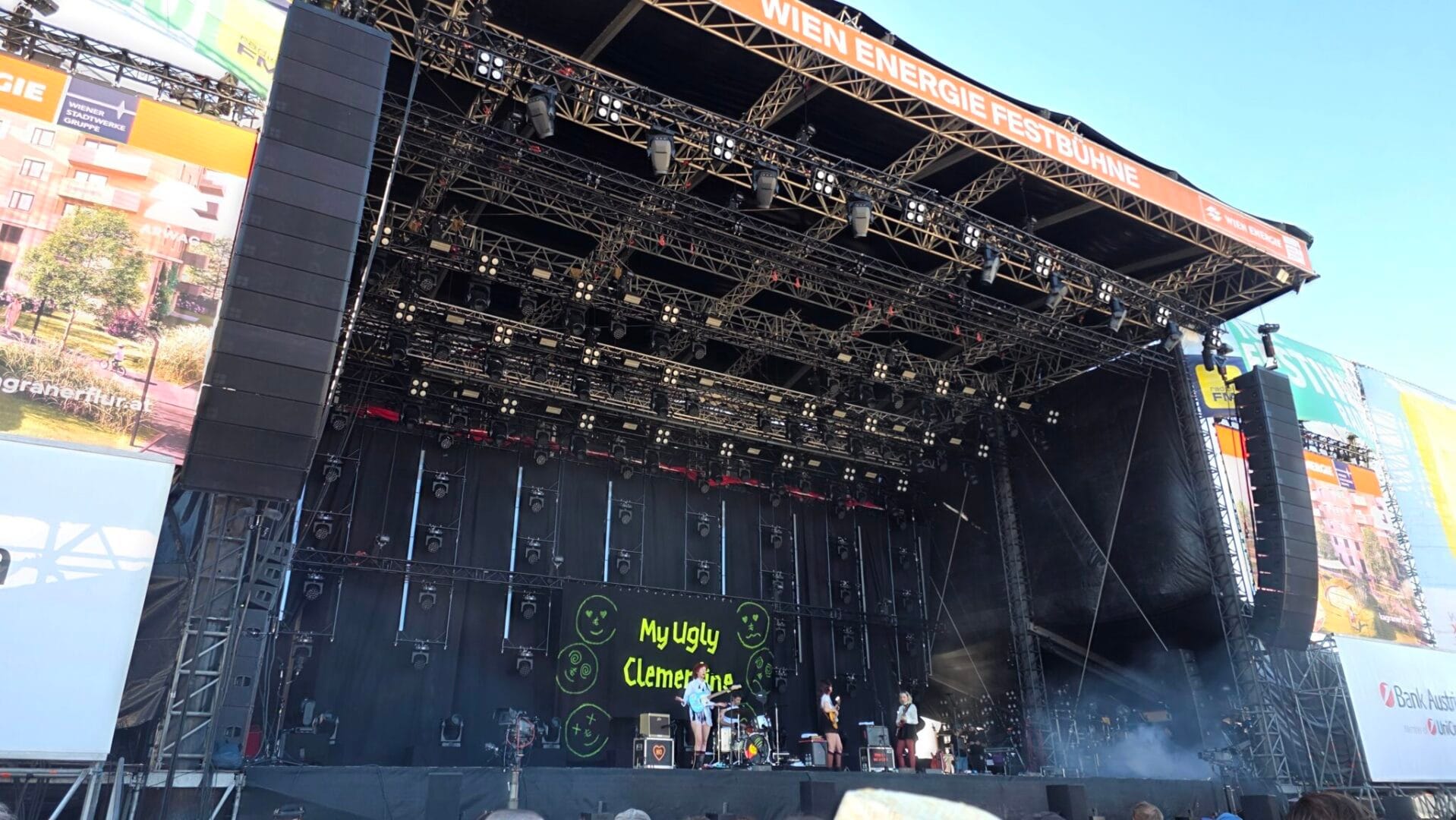
On the first day, there were two bands I was particularly interested in. I had known My Ugly Clementine for a long time and wanted to hear them live, while I was still getting to know Giant Rooks. They were also scheduled to perform at the upcoming Sziget 2026, but at Sziget you always have to choose between several concerts you want to see at the same time. The chance to get to know the band beforehand in Vienna seemed perfect, especially because both groups were playing on the same stage that evening.
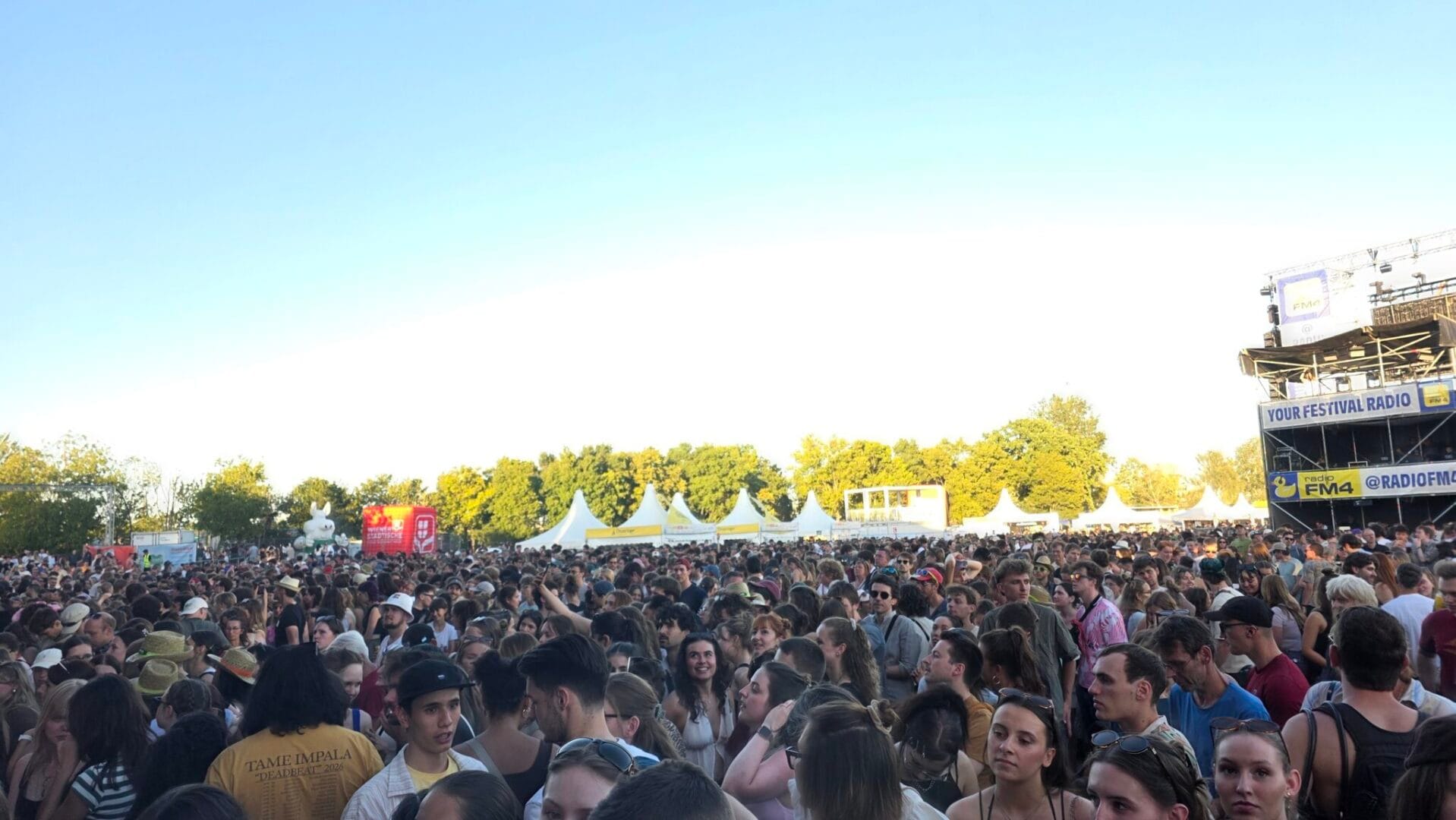
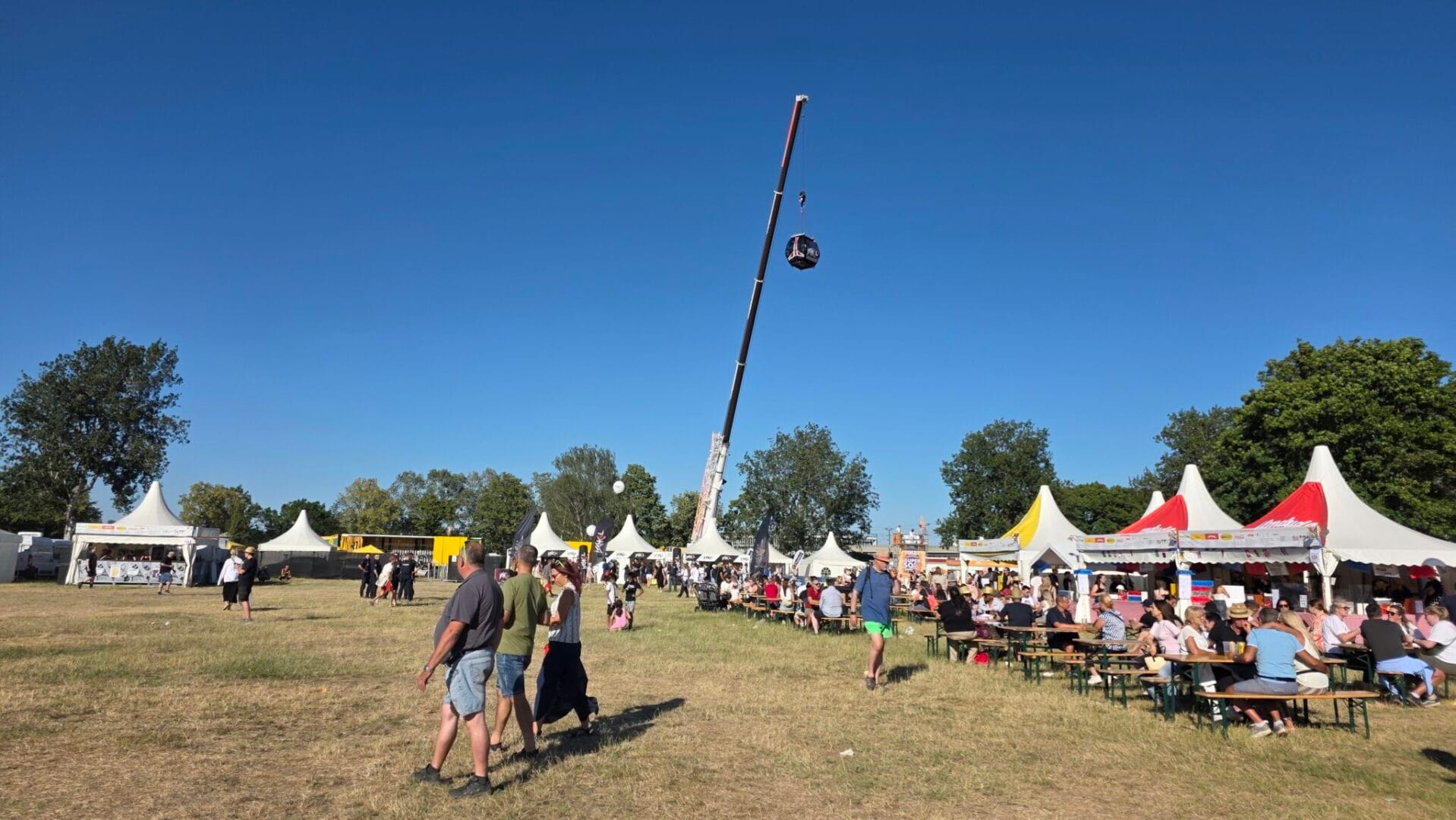
This year, the festival took place from 3 to 5 July. Fourteen stages were set up across the artificial Danube Island, and the programme included around 200 performers and bands. The festival area stretched for roughly 4.5 kilometres, and according to ORF’s final reports, hundreds of thousands of people came each day. The organisers had to make savings: there were fewer stages, the preliminary Thursday opening was cancelled, but the musicians were given more time for their performances.
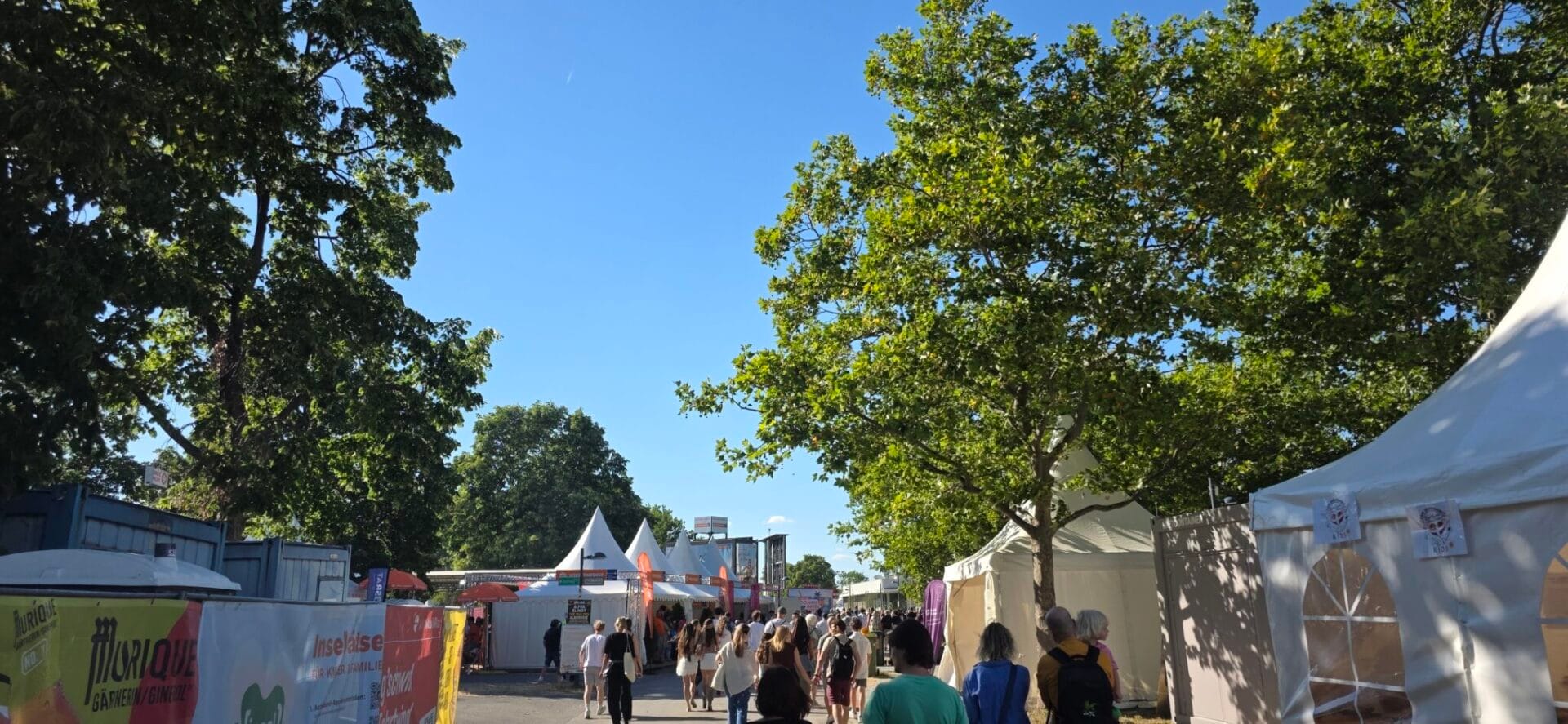
I arrived at the festival before Julia, who was going to join me later because she was returning from a business trip. From the U1 station, I decided to walk through the festival grounds and see what was happening. Along the way, I kept coming across various city services with their own stands and activities. Some of them seemed rather strange to me; at times I had the impression that taking part in the festival was a compulsory item on the programme for certain municipal organisations. Still, a festival like this naturally brings the city authorities along with all their departments and services. None of this affected the celebration itself.
After our previous experience at Sziget, I started looking at the organisation of events like this somewhat differently. Donauinselfest looked more modest, but this year I liked how successfully it managed to create the atmosphere of a large summer festival. Even the dust kicked up by people walking across the island felt unpleasantly familiar. In that respect, my memories of Sziget came back especially vividly: as soon as you found yourself among a huge crowd on dry ground, the similarity became very noticeable. There was nothing to be done about it, though — unfortunately, that is part of festival life.
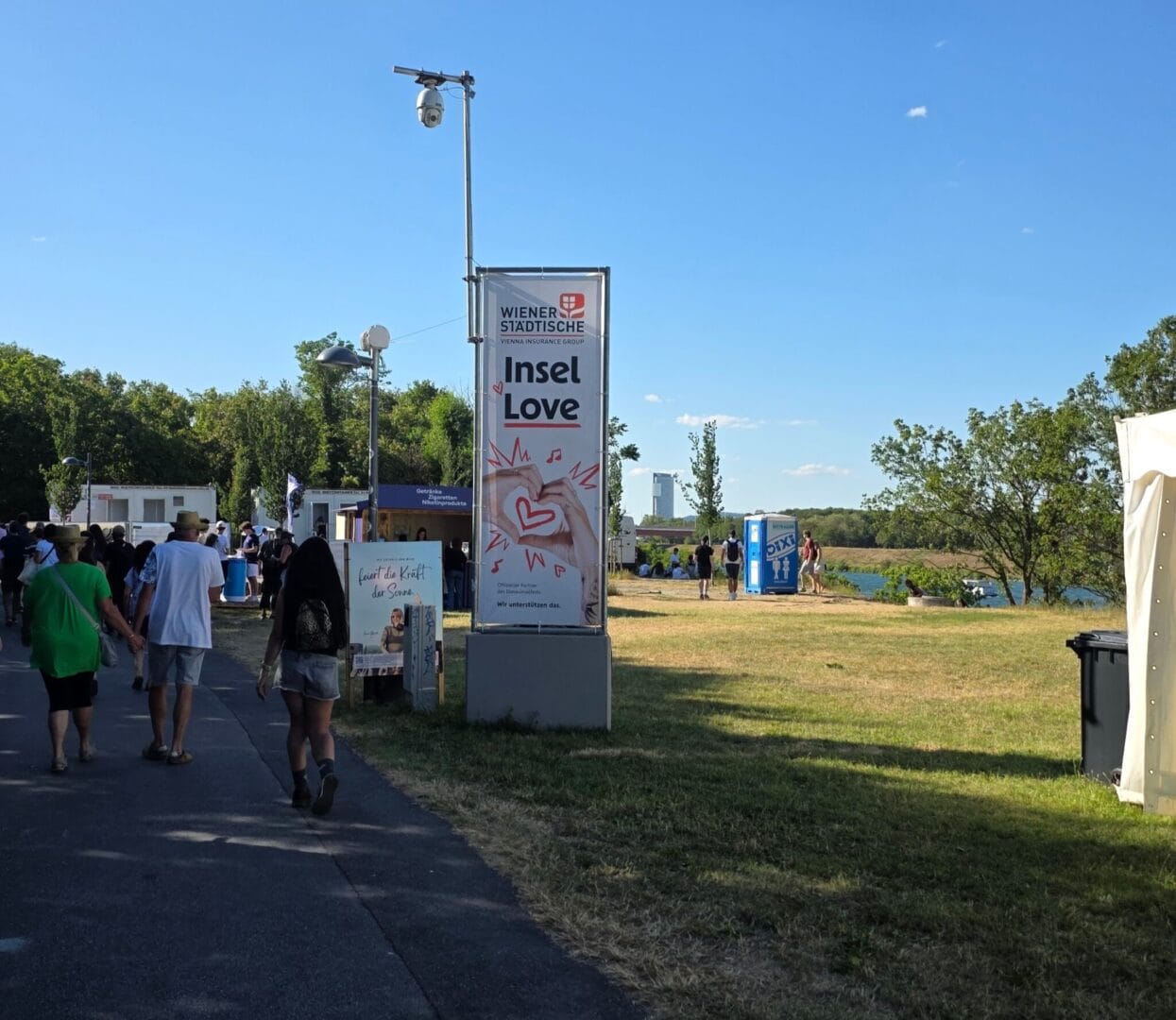
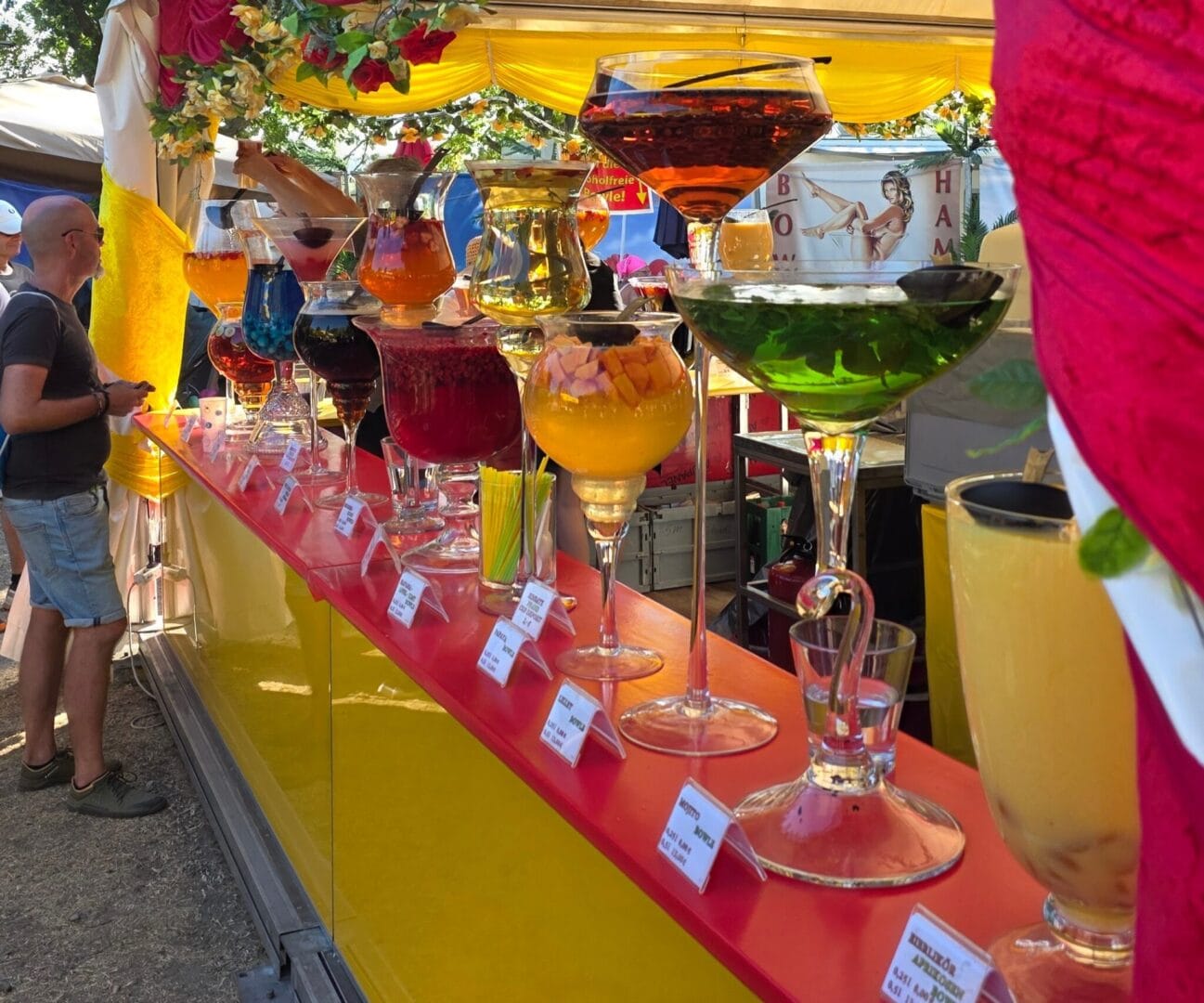
The food selection felt weaker to me this year. In the past, it seemed more varied, while now far too many places offered something fried, battered, or yet another burger: fat, more fat, and a little batter around the fat. I found fewer options that appealed to me, although there was certainly no shortage of food stalls. They were simply far too similar to one another, which sometimes creates the feeling of having a choice without really having one.
On the other hand, I could pay by card almost everywhere I stopped. In Austria, this can still impress me: small businesses here are often surprisingly attached to cash. So I was very happy to notice this change.
I made it to the My Ugly Clementine performance on time, although the start was slightly delayed. The musicians appeared, waited for a while, and then left the stage again; apparently something was wrong with the sound.
Then the host came out and introduced the band in English. The audience reacted to him quite naturally, and once again I liked how casually English is accepted here. After a short pause, My Ugly Clementine returned to the stage and the concert began.
The band was formed in Vienna in 2019 on the initiative of Sophie Lindinger, known from the duo Leyya. She wanted to work with a rawer guitar sound, and she wrote and recorded the first songs for what would become My Ugly Clementine herself before inviting the musicians she planned to play with.
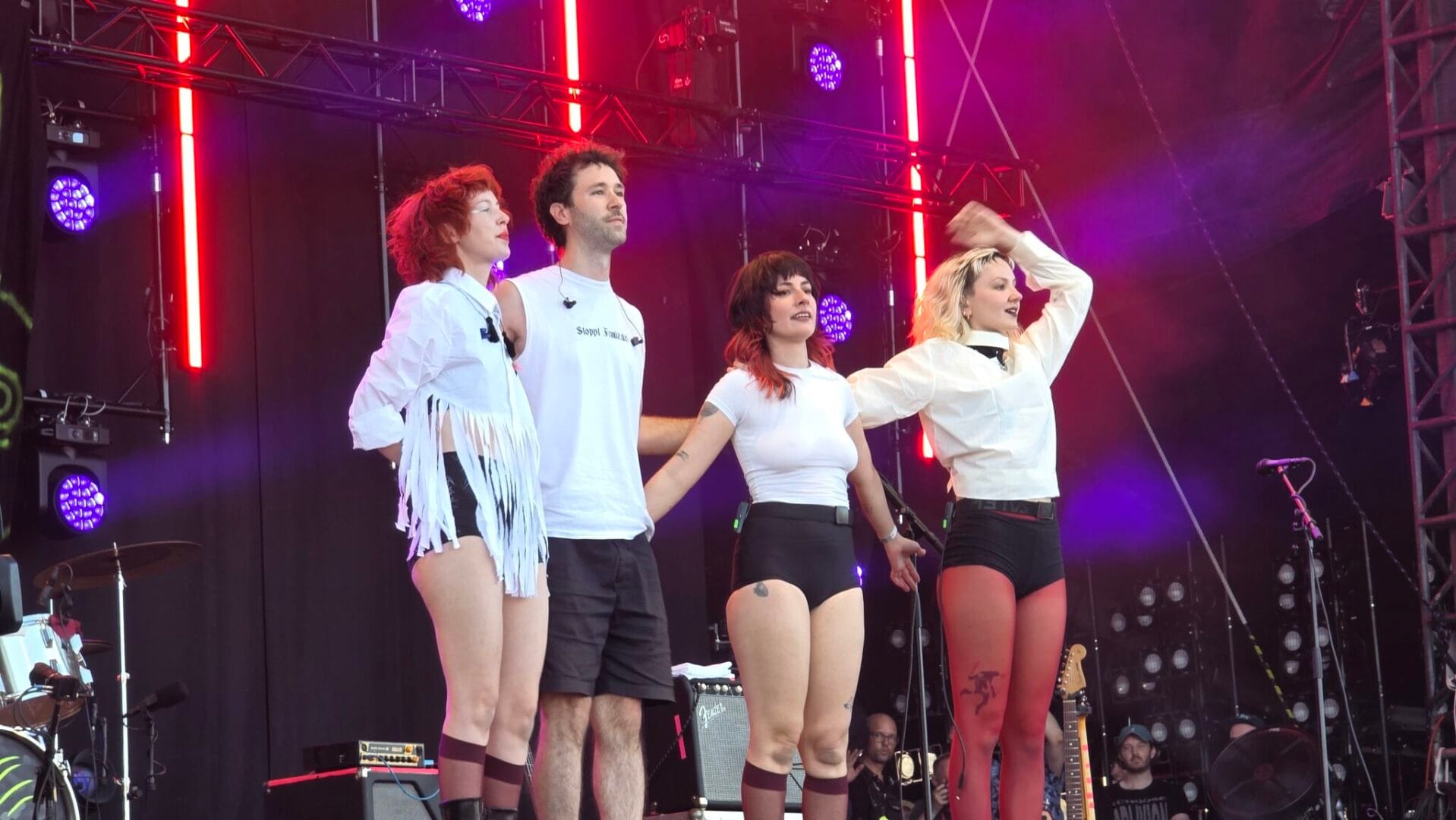
Today, the core trio consists of Lindinger, Mira Lu Kovacs, and Nastasja Ronck. Each of them has her own musical background and other projects, so the “supergroup” label that the press gave them fairly early on had a clear basis.
Tickets for their first concert sold out before their debut single had even been released — the names of the musicians alone were enough to attract listeners. In 2020, they released the album Vitamin C, which later won IMPALA’s European Independent Album of the Year award.
It was the first time an Austrian band had won this prize. So behind the lightness and playful mood of My Ugly Clementine, serious musical recognition appeared very quickly.
If you are curious about their music, I would recommend starting with their debut single Never Be Yours and then listening to Playground. In the latter, the band addresses the habit of treating certain activities and professional circles as male territory, with the music industry itself becoming part of that conversation.
This band is particularly good at combining energetic guitar music with a very clear attitude toward what is happening around them. In interviews, Lindinger has explained that she wants to create songs people can dance and laugh to while still having a meaningful conversation with the listener.
Their second album, The Good Life, was released in 2023 and became a more collaborative project for the trio. Mira Lu Kovacs described it as a record in which you can hear their friendship. Feet Up and its music video are also worth particular attention: the band members clearly enjoy playing with familiar imagery from music videos of the 1990s and 2000s. By the time of our July concert, the group was already preparing its next album, Apply Autonomy, and performed You Won at the festival. The album itself was released later, on 4 September 2026.
One thing I particularly liked during the concert was how much attention the band members paid to the behaviour of people in the crowd. The singers spoke about harassment, reminded everyone to respect other people’s boundaries, and said that a refusal must be taken seriously.
They made these statements in English so that more festival visitors could understand them. I was glad to hear women’s safety and the responsibility of those around them being addressed so directly from the stage. At a festival attended by so many people, this was a very appropriate conversation.
At the same time, the performance remained fun and lively. The musicians talked to the audience a lot and noticed one of the staff members helping a cameraman with a cable.
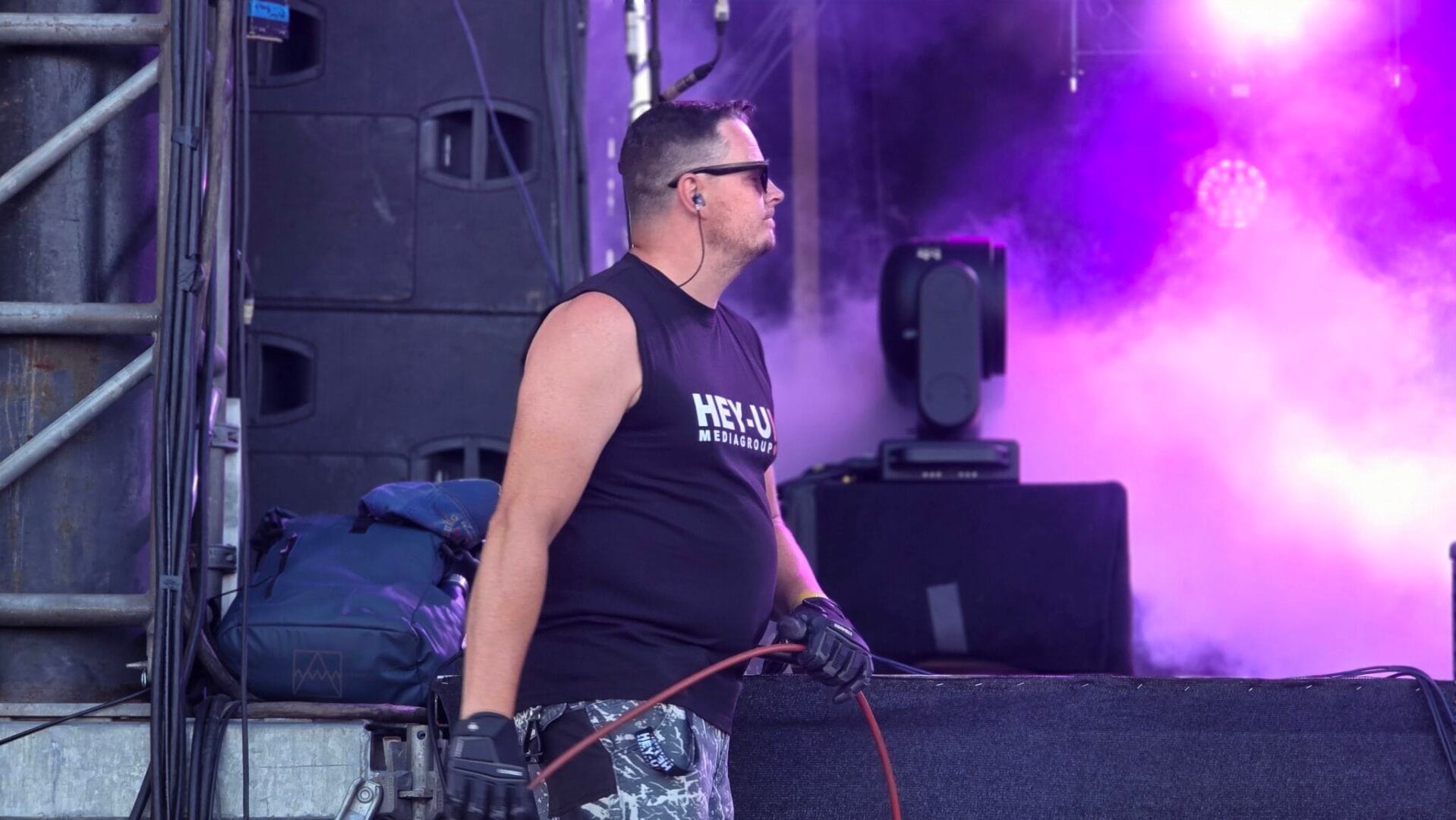
A slightly heavyset man with a charming smile danced so enthusiastically while working that he became part of the concert himself. The band drew the audience’s attention to him, although with his dancing he was already doing a very good job of entertaining everyone around him.
After My Ugly Clementine, Giant Rooks were due to perform on the same stage — the second band I had come to the island to see that Friday. I will tell you about them, and about our return to the festival the following day, in the second part.
To be continued.