
Julia and I have a small but very pleasant tradition. Thanks to the KlimaTicket, we can travel anywhere in Austria without paying extra for transport, because the pass is already covered. So whenever we have a free day, a weekend, or even a few hours after work, we sometimes simply get on a train and visit a small town or city. These trips help us clear our heads, change our surroundings, and feel as if we are travelling, even if only for a short time. Over the past few years, we have visited several dozen Austrian towns this way. One weekend at the beginning of spring, we decided to go to Eisenstadt. From the photos online, it looked rather modest and did not seem especially memorable, but in the end the city surprised us. That is the trip I want to tell you about today.
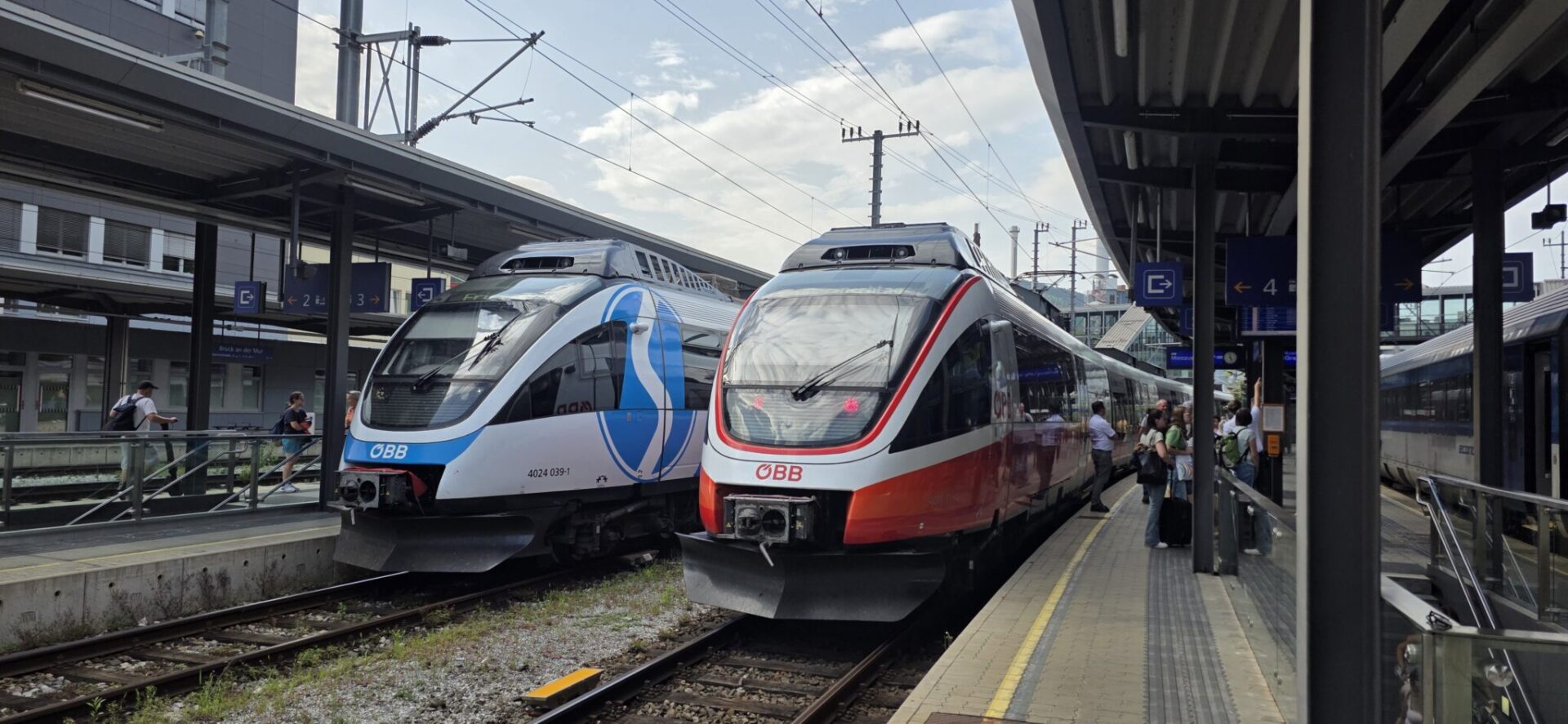
The journey from Vienna to Eisenstadt takes about an hour, sometimes a little longer. The train goes directly there. You only need to arrive at Vienna’s Westbahnhof, take a regional train, and soon you are getting off in another city. There are no long connections or security checks. Sometimes tickets are not even checked on these trains, although we have the KlimaTicket anyway.
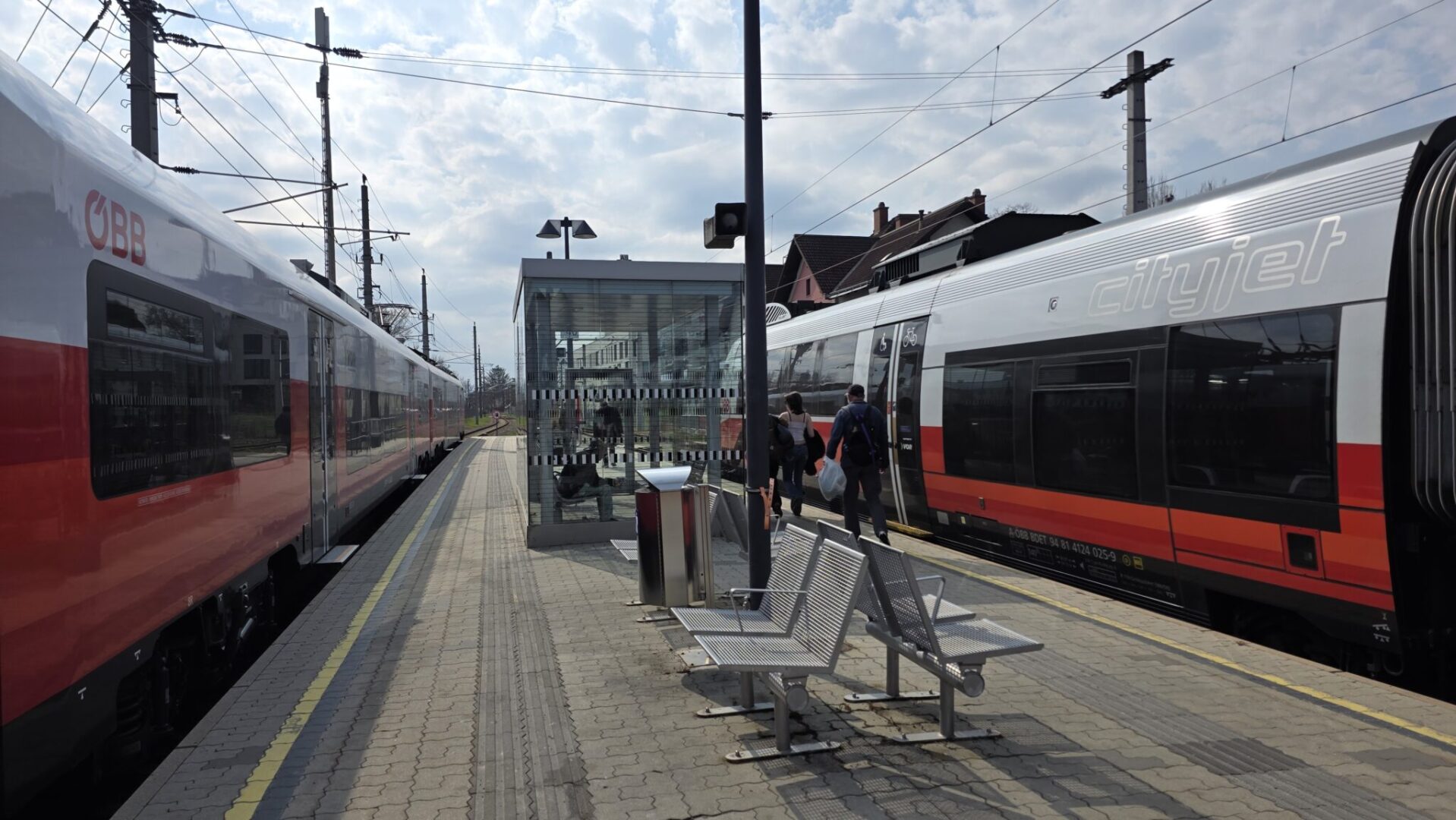
The hour on the train is pleasant as well. Sometimes we do a little work or answer emails. You can use your phone, talk, or simply look out of the window. Nobody stops you from having a bottle of beer if you feel like it. The time on the train does not feel wasted, which makes these day trips very easy.
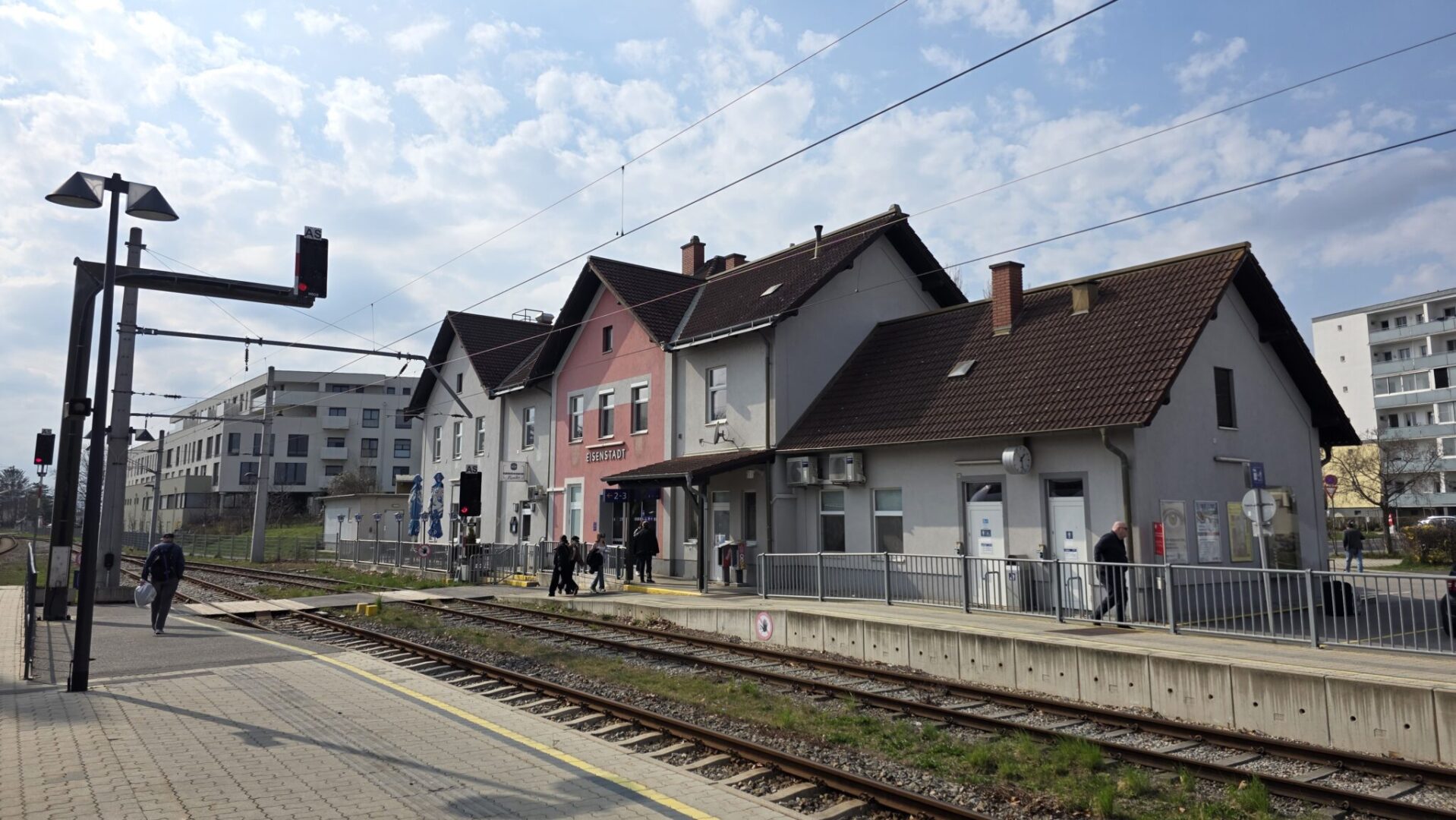
Our first impressions of Eisenstadt were strange. Even in the photos, the city had not looked especially impressive to us. The railway station seemed a little gloomy. Everything around it was clean and tidy, as it usually is in Austria, but the buildings looked fairly ordinary. In some places, the area almost felt industrial.
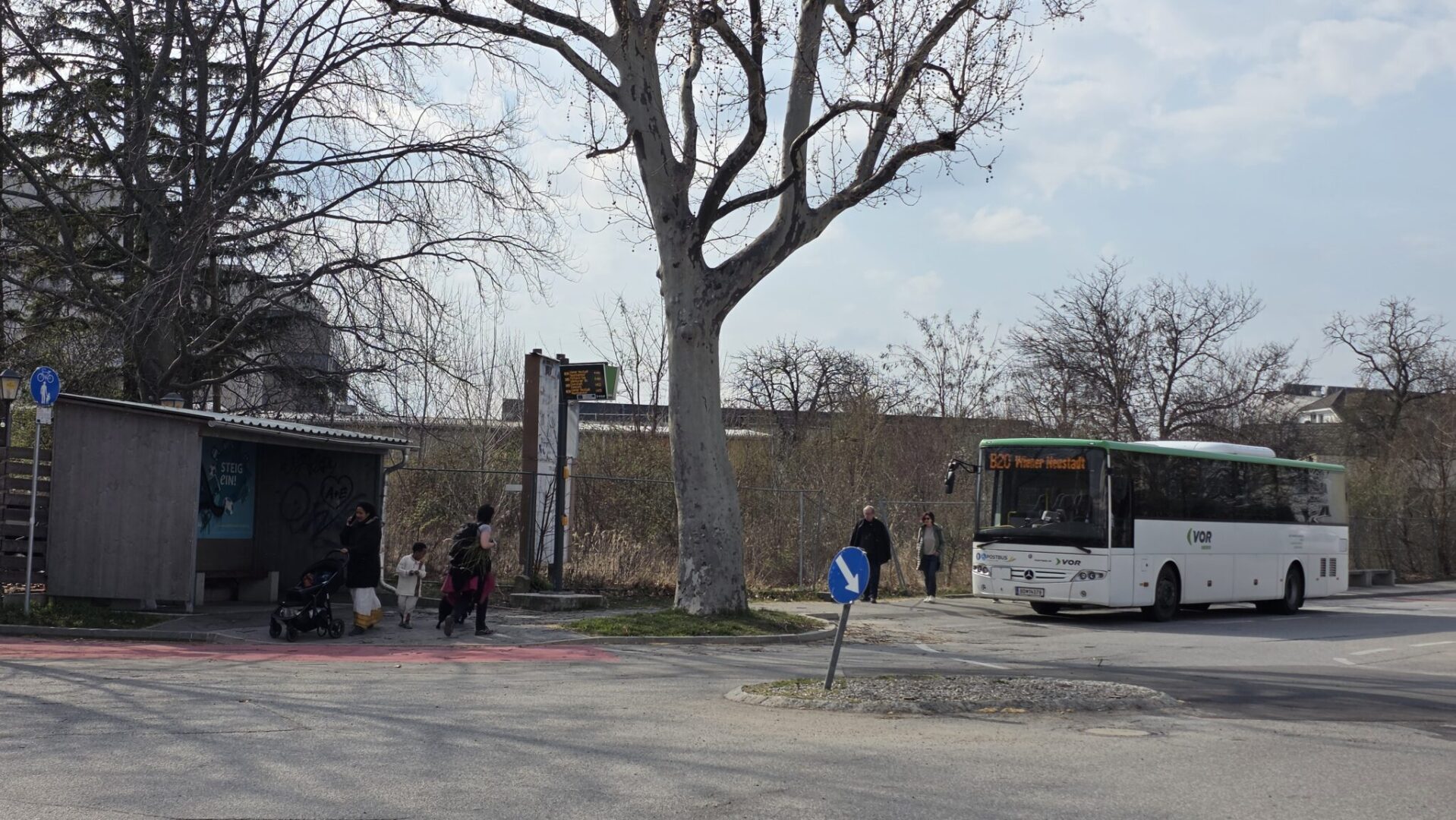
At one point, we began to think that perhaps we had simply chosen the wrong city this time. After several dozen trips, this had happened to us only once or twice, but it can happen.
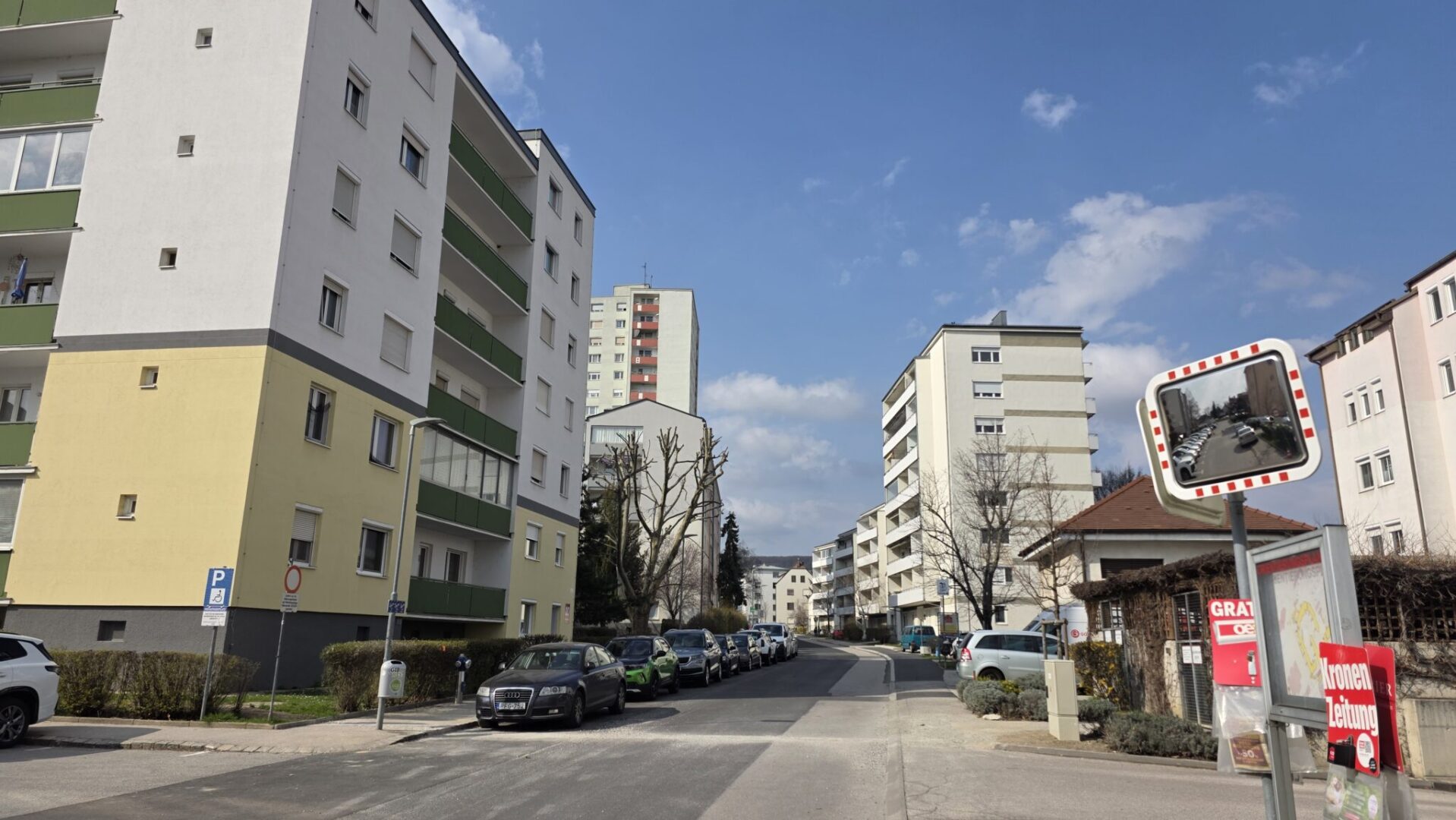
We decided to walk towards the town hall and the main church. These places usually help you find the centre of a small Austrian city quite quickly. The walk from the station took about fifteen minutes, so we set off on foot and began looking at the streets along the way.
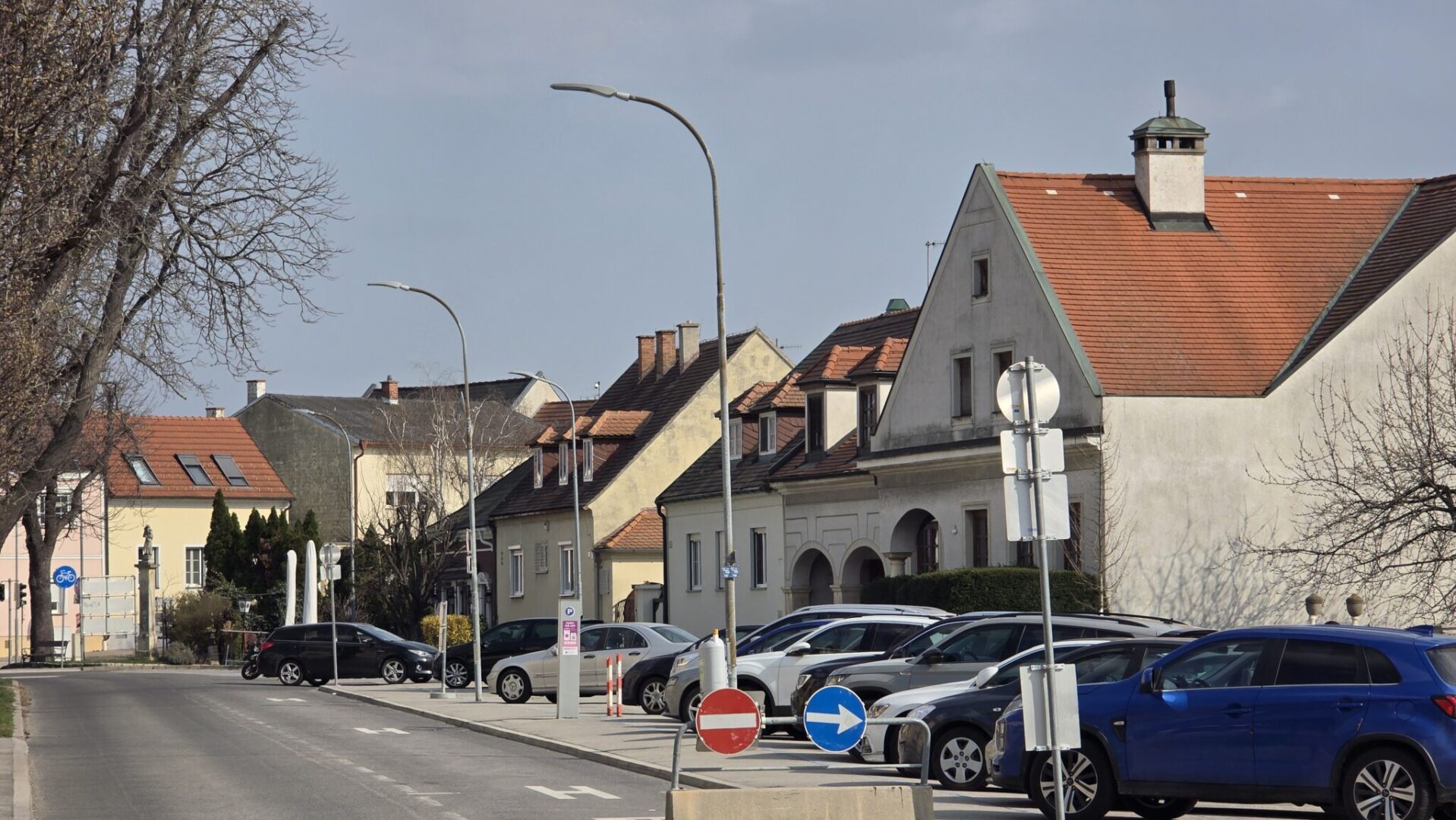
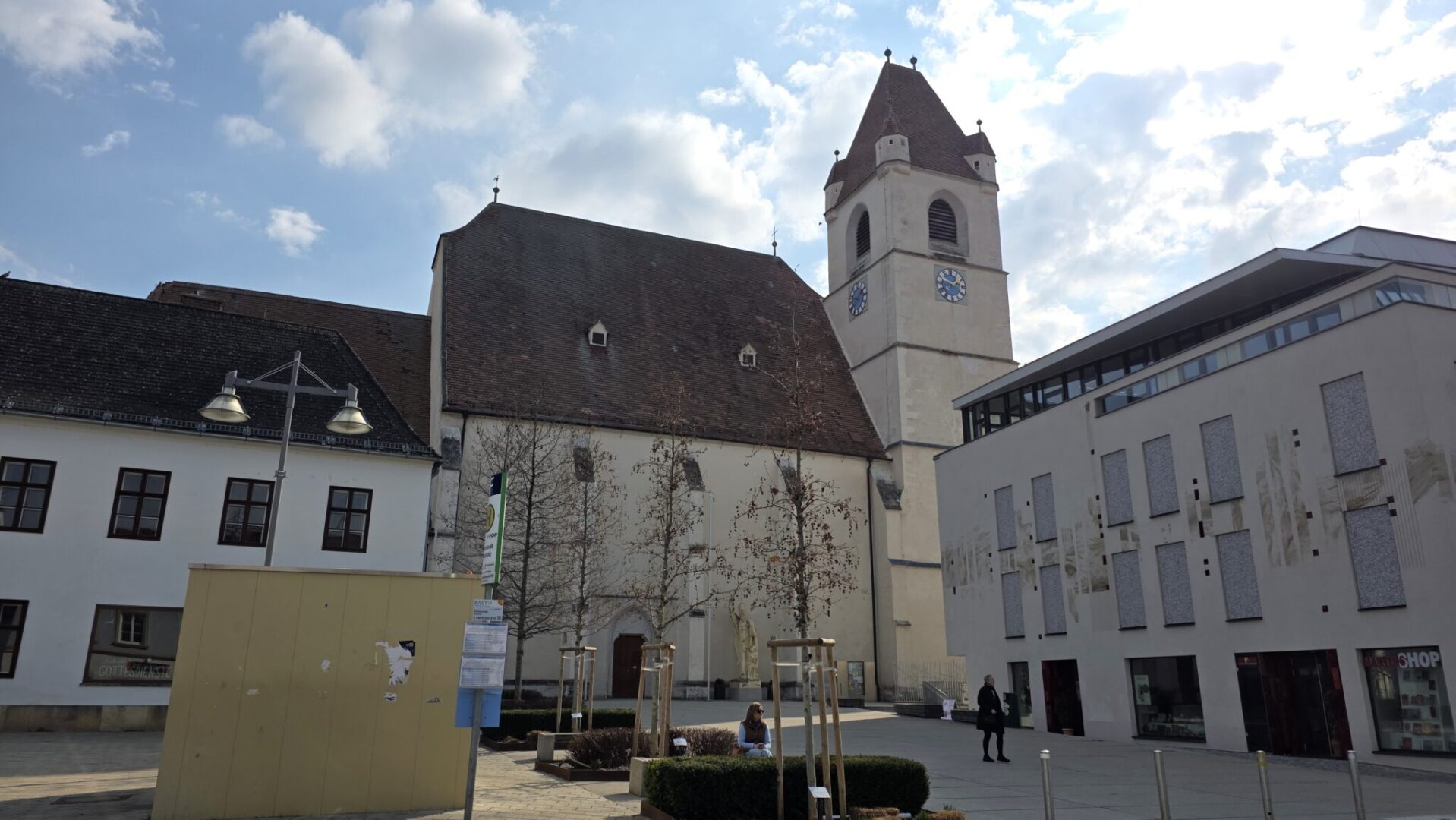
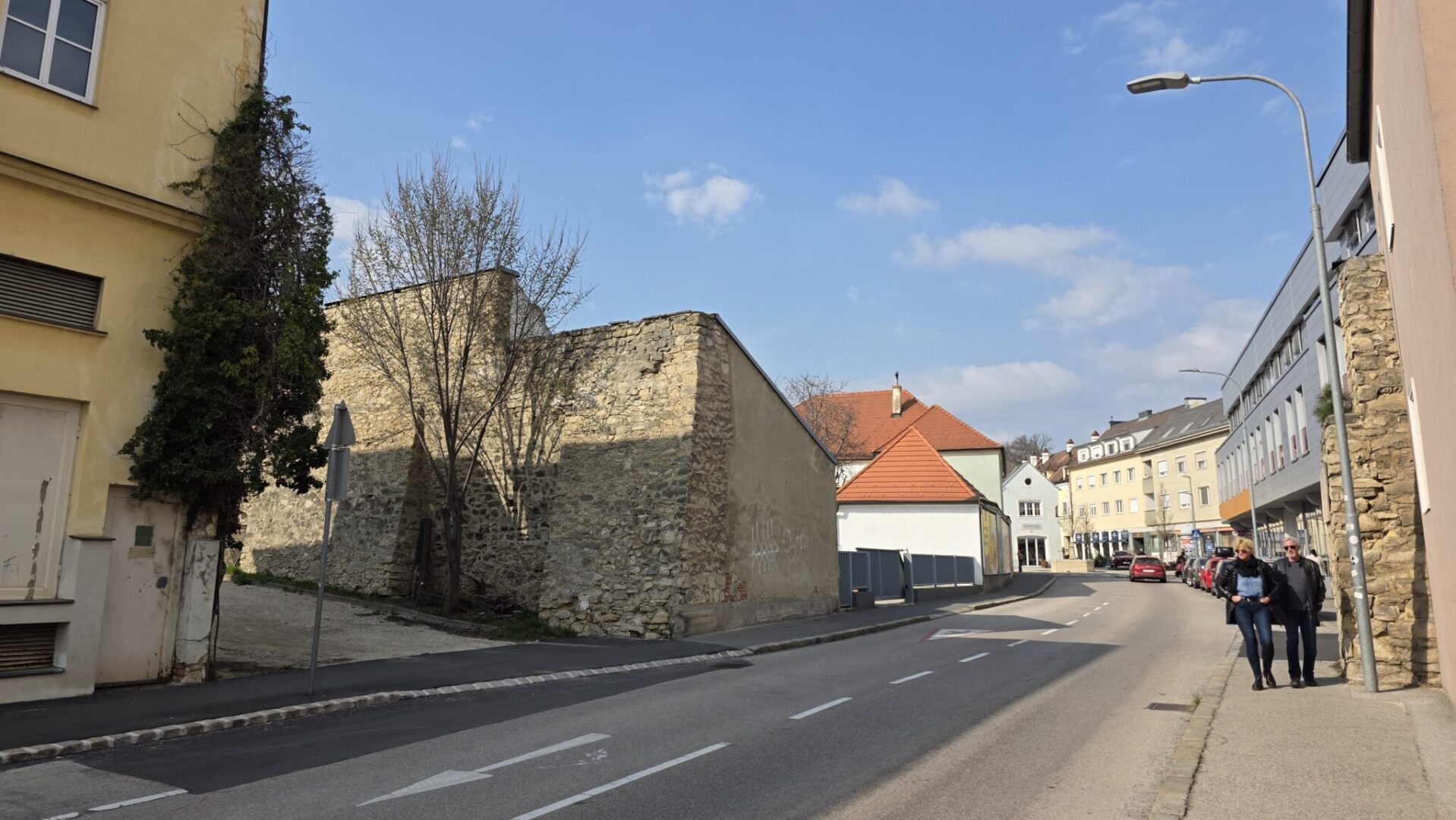
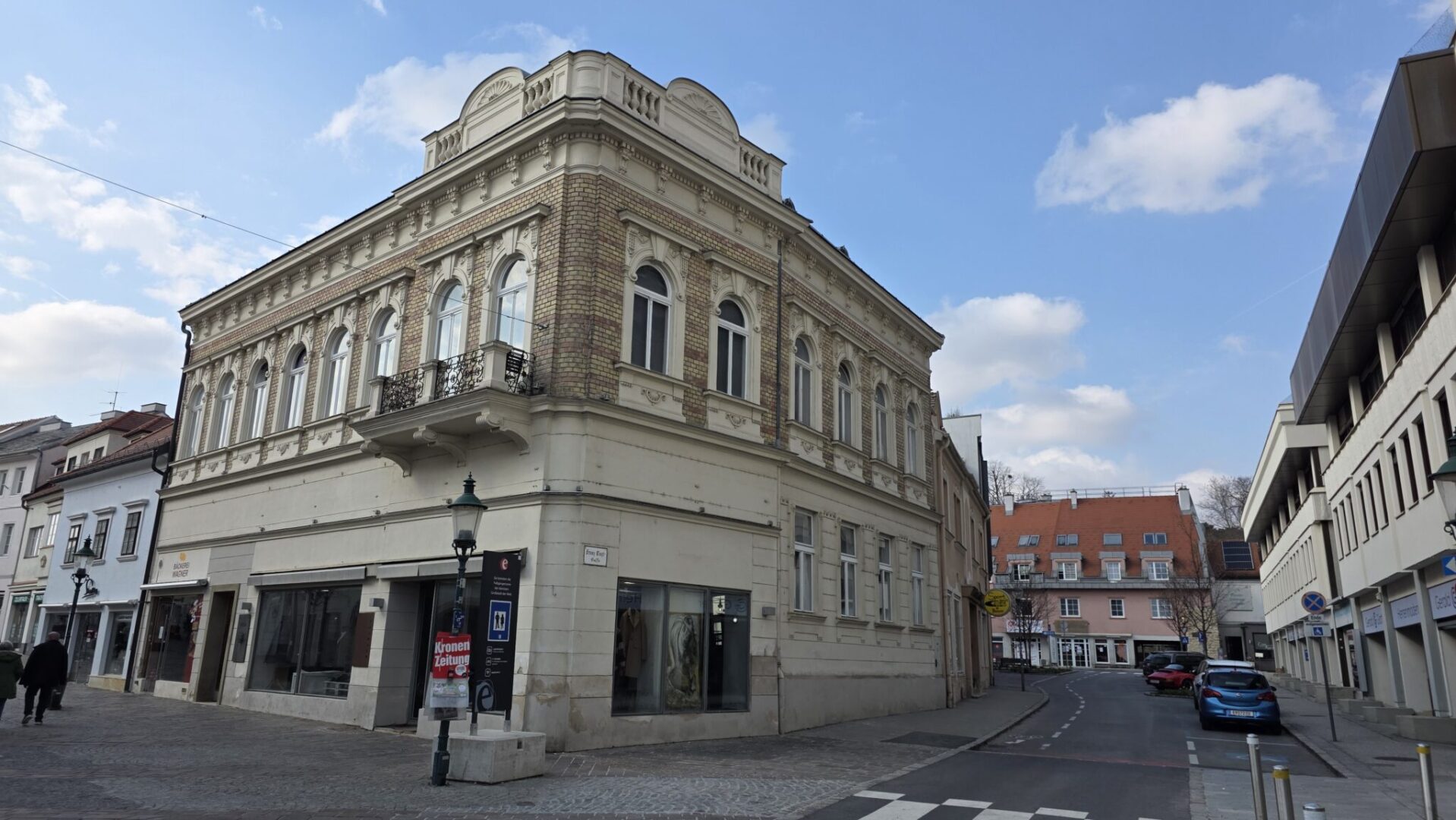
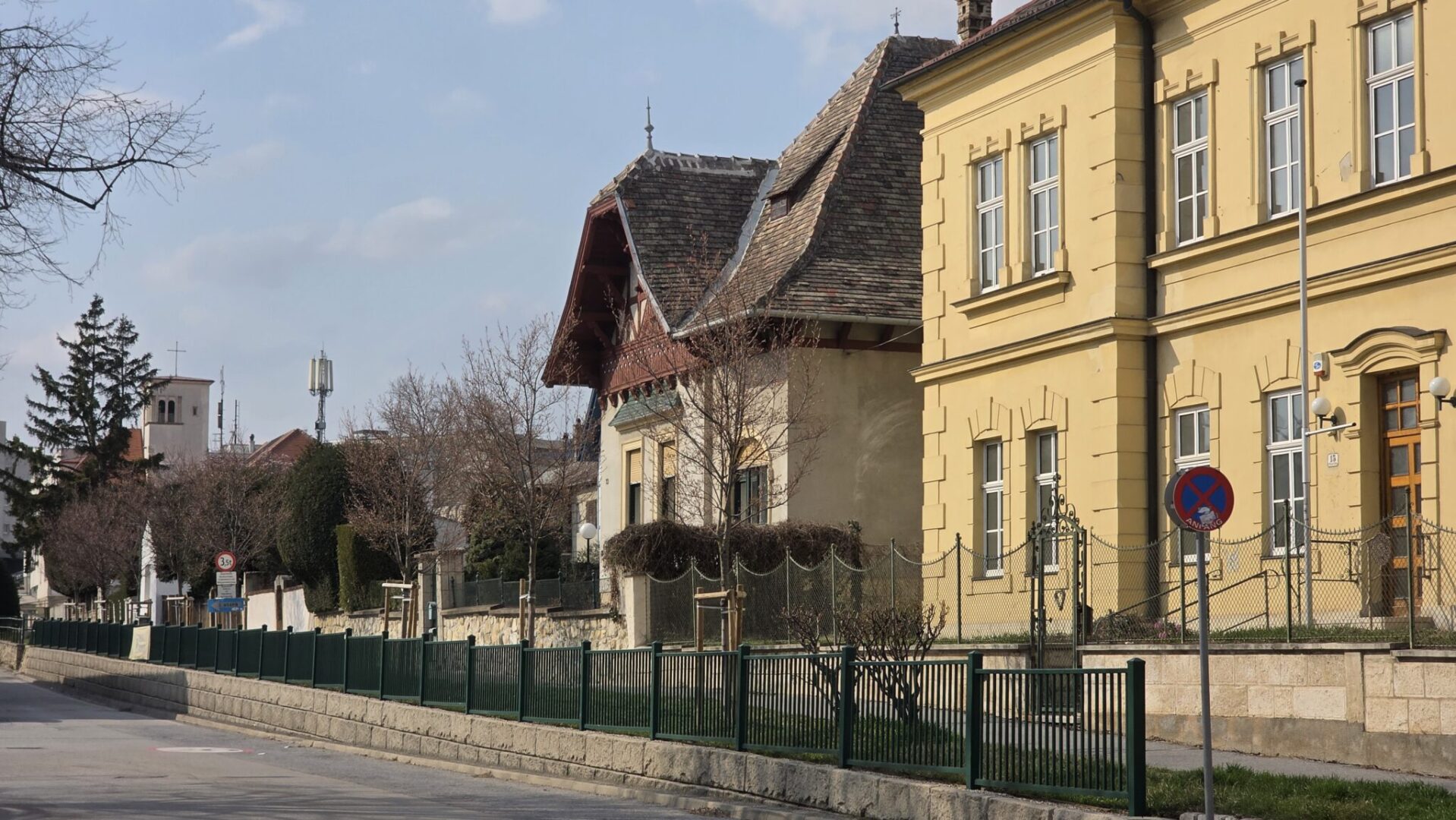
As we came closer to the centre, Eisenstadt started to change. The houses became more beautiful, while the streets grew narrower and began to curve. Old Austrian houses appeared around us, exactly the kind of buildings that make us enjoy travelling to smaller towns.
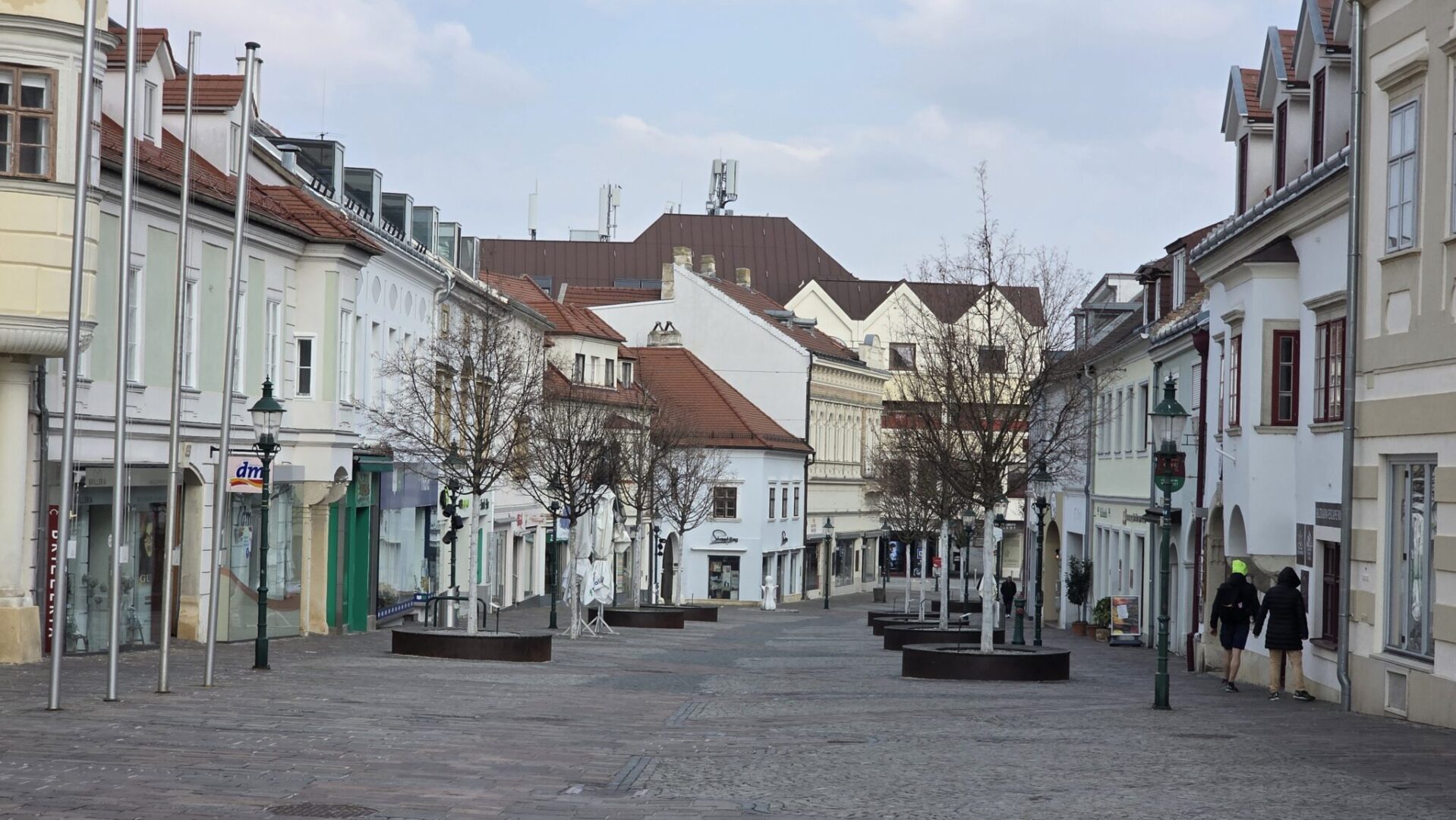
When we reached the main square, our impression of Eisenstadt changed completely. In front of us was a classic small Austrian city with a beautiful and carefully restored centre.
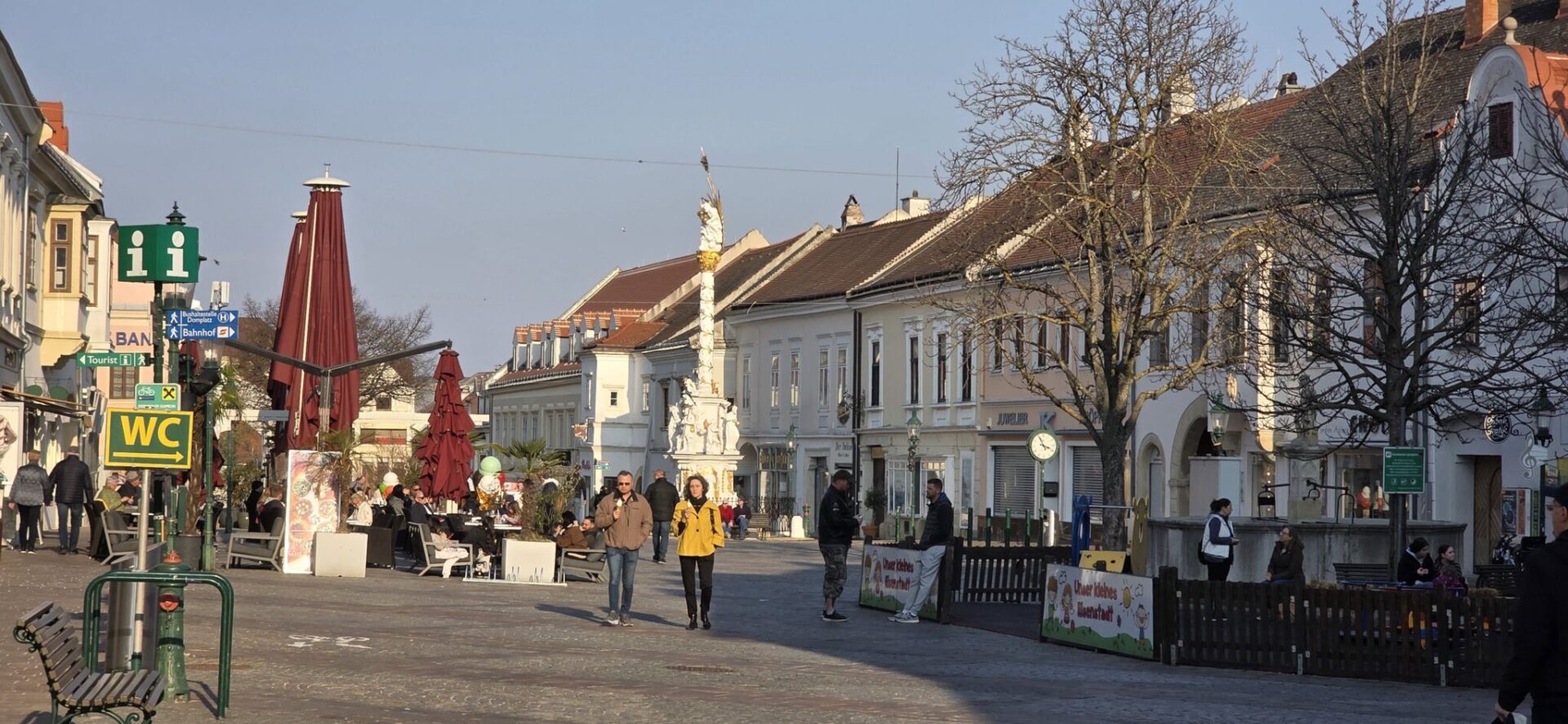
The main square was fully pedestrianised. Neat colourful houses stood around it, while a plague column rose in the middle.
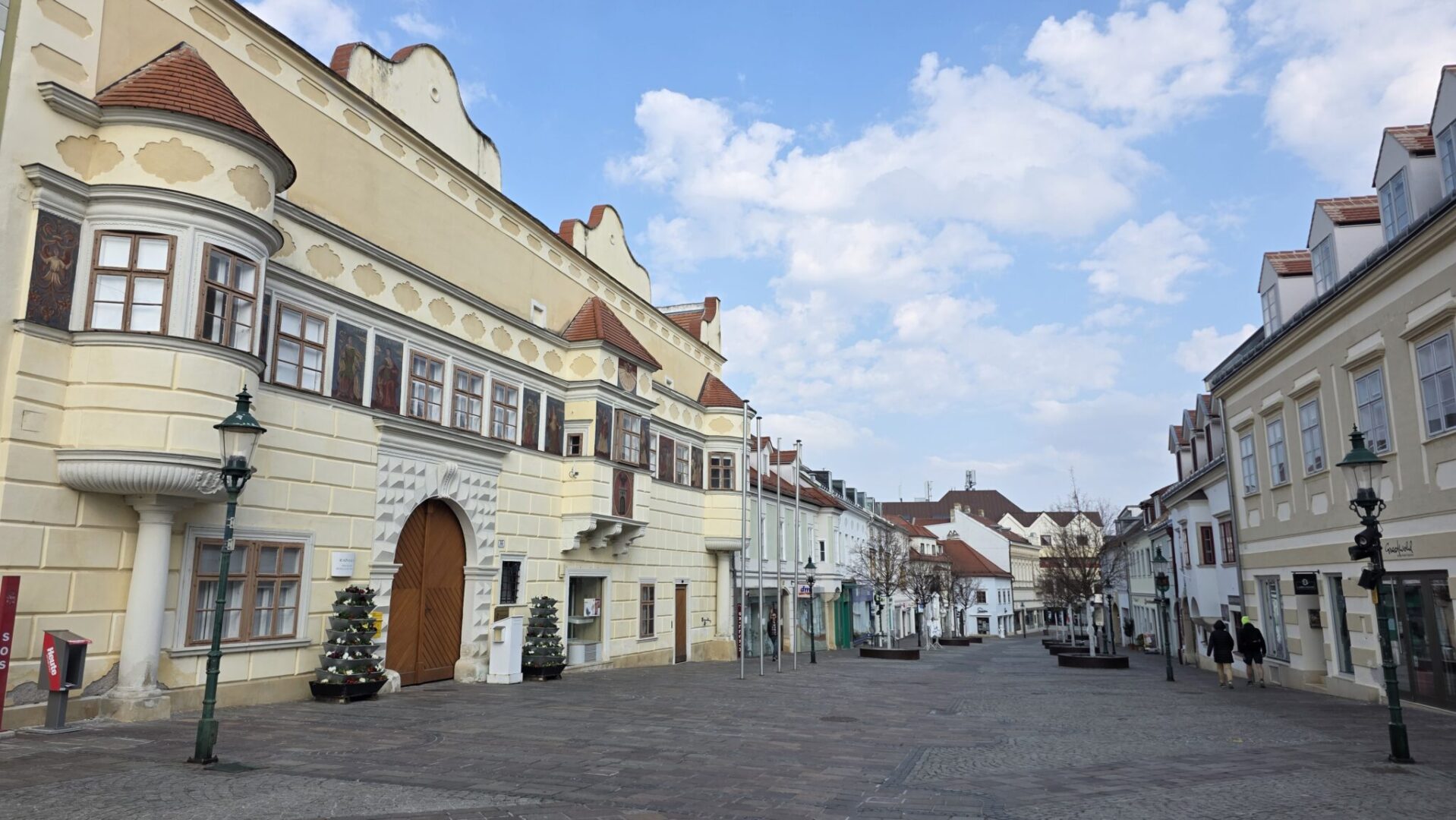
The town hall was especially striking. Its historic façade was richly painted and looked very elegant. The buildings around the square matched one another so well that the entire centre looked like an illustration from a fairy tale.
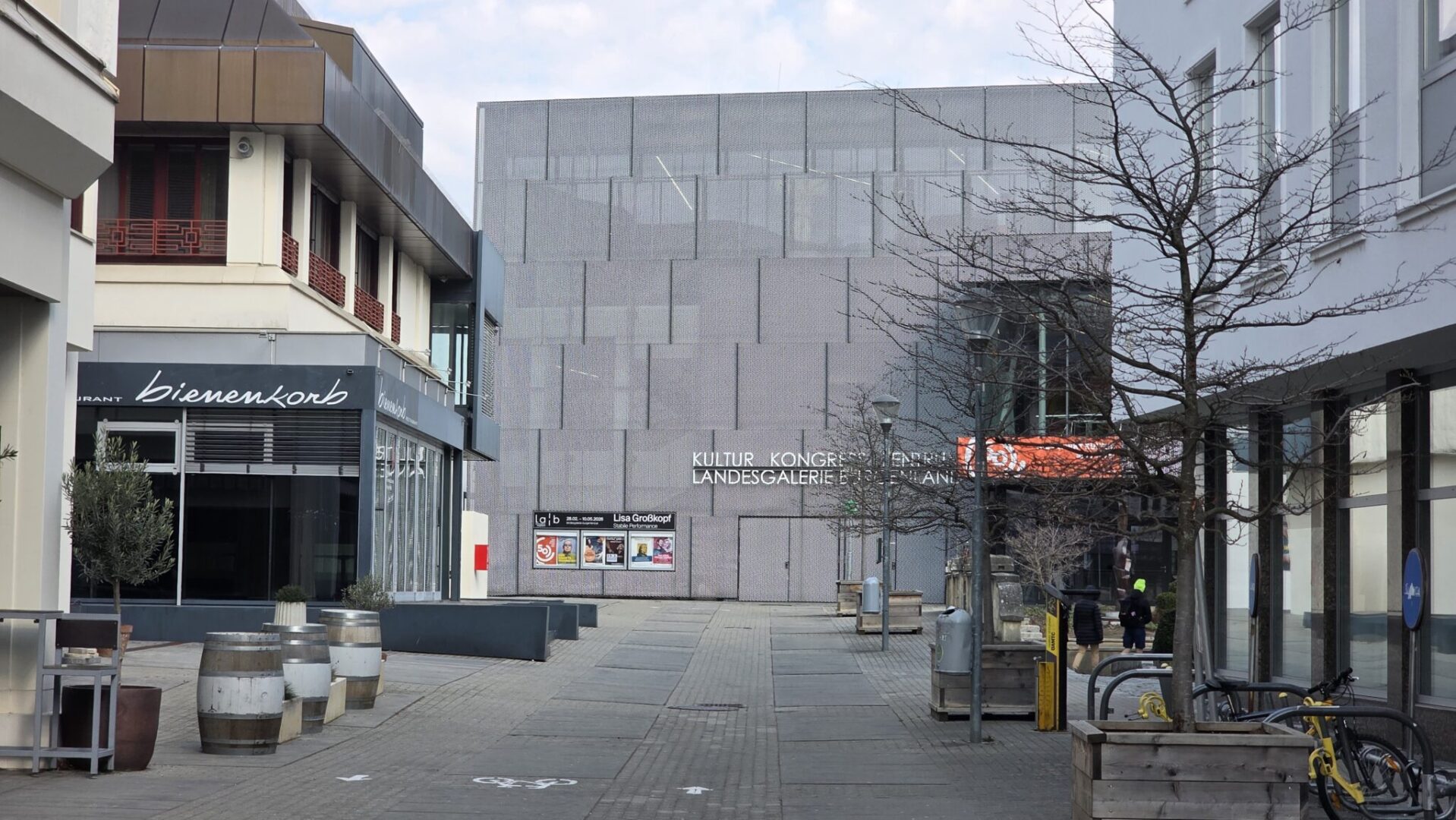
Very close to the main square, we found a modern cultural district. Its buildings had been carefully fitted into the historic surroundings, and the new architecture did not damage the overall appearance of the centre. Many different theatre performances take place there. It quickly became clear that life in Eisenstadt is not limited to its historic sights.
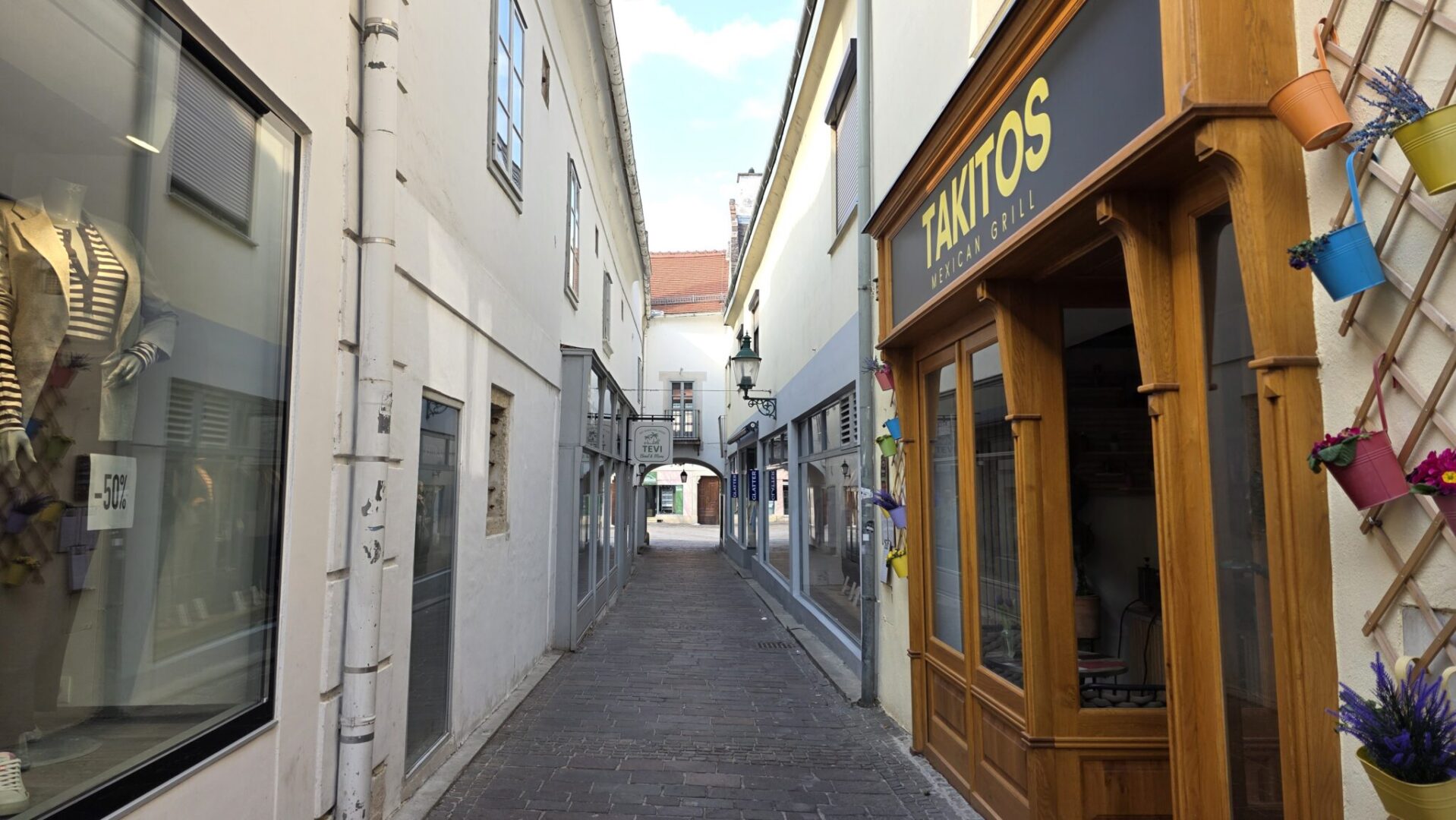
The city itself turned out to be small but fully independent and comfortable for everyday life. Bars and cafés were open along the streets. It was clear that local people had places where they could meet, relax, and spend their evenings. Eisenstadt did not feel like a city that exists only for tourists.
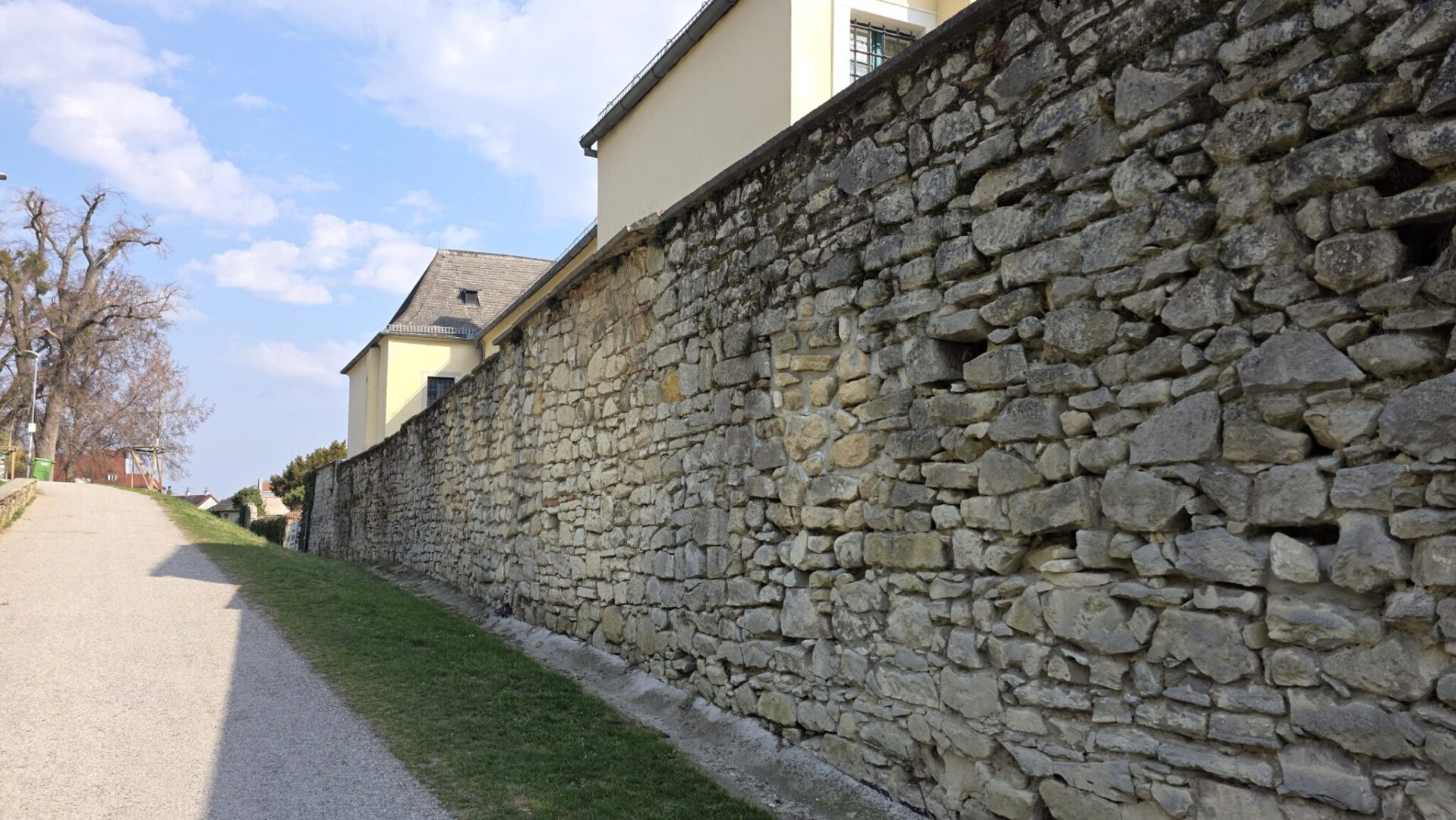
After walking around the centre, we opened Google Maps again and decided to continue. Only a few minutes later, we entered a large park. It had several lakes, with greenhouses standing among the trees.
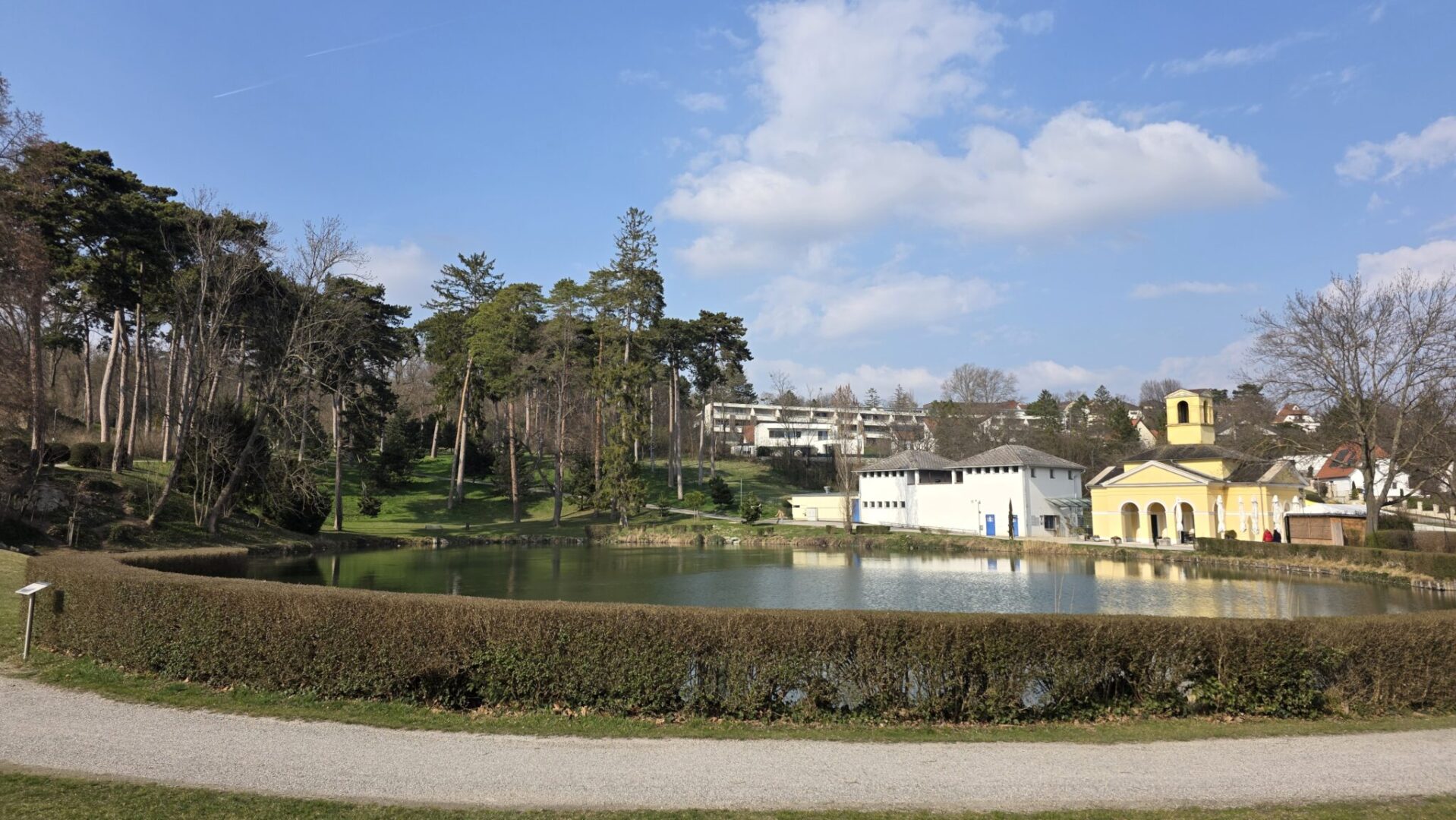
A place like this is especially pleasant in spring. The trees were already green, there was water nearby, and the noise of the city almost disappeared. We soon realised how calm and comfortable Eisenstadt felt.
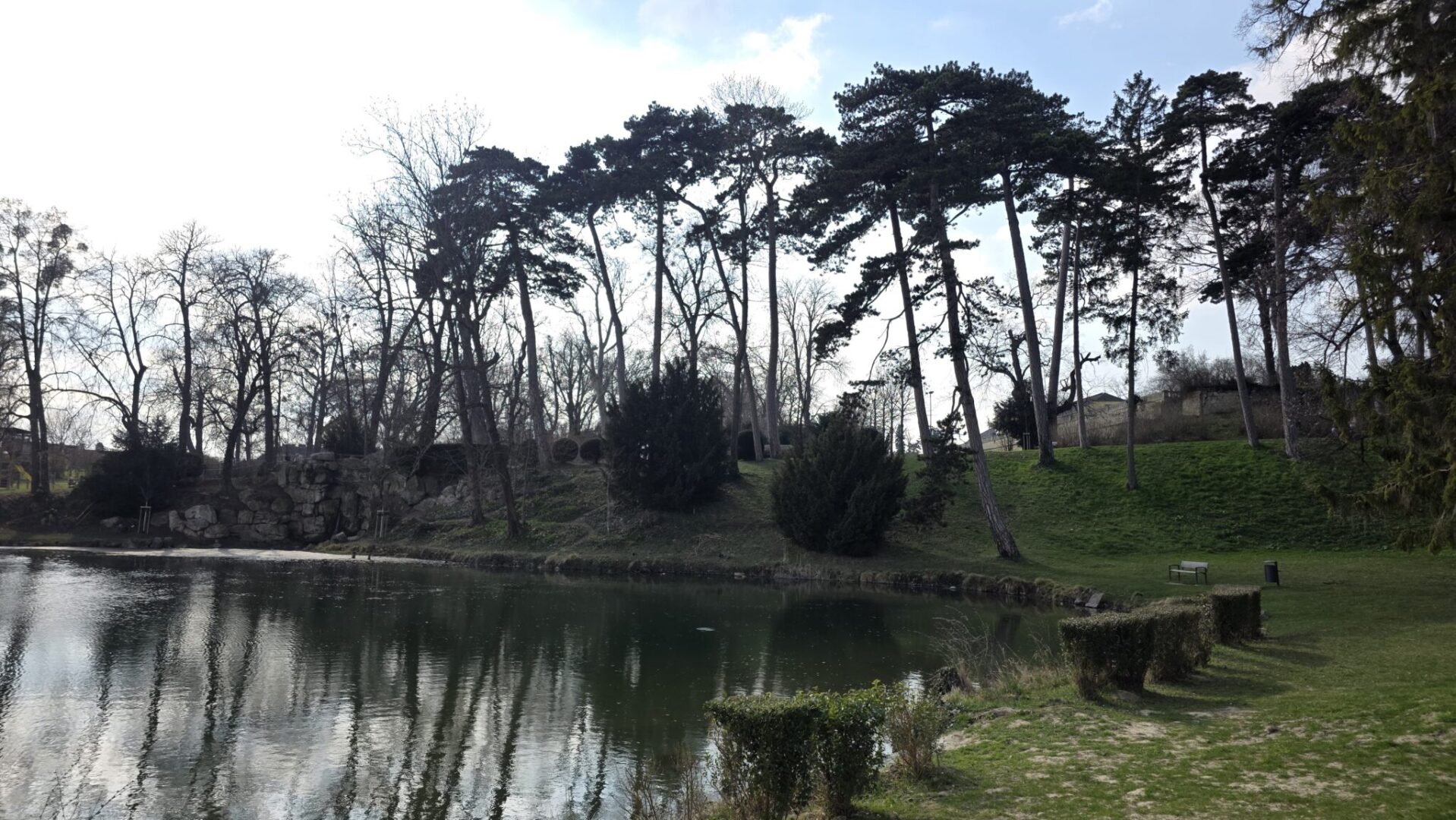
Families were walking through the park. Children were running around the playgrounds while their parents rested nearby. Everything looked safe and unhurried. We also sat near the water for a while, enjoying the fresh air and the silence. I especially liked how quickly the historic centre turned into a large green park.
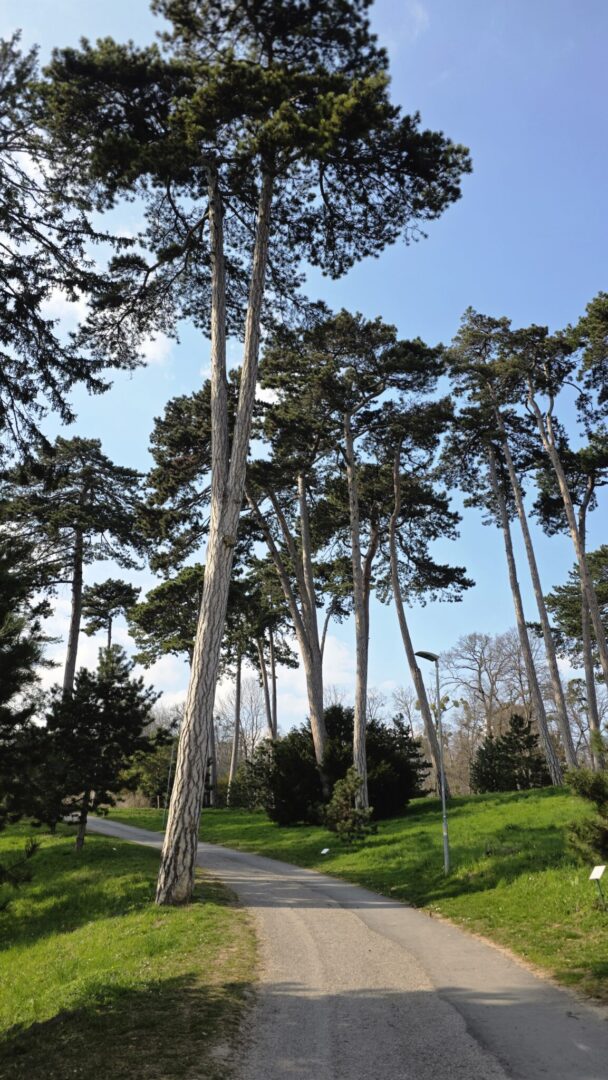
Only a few minutes earlier, we had been standing among old houses and cafés. Soon afterwards, we were sitting beside a lake under ancient trees. For a small city, having these places so close together feels like a great advantage.
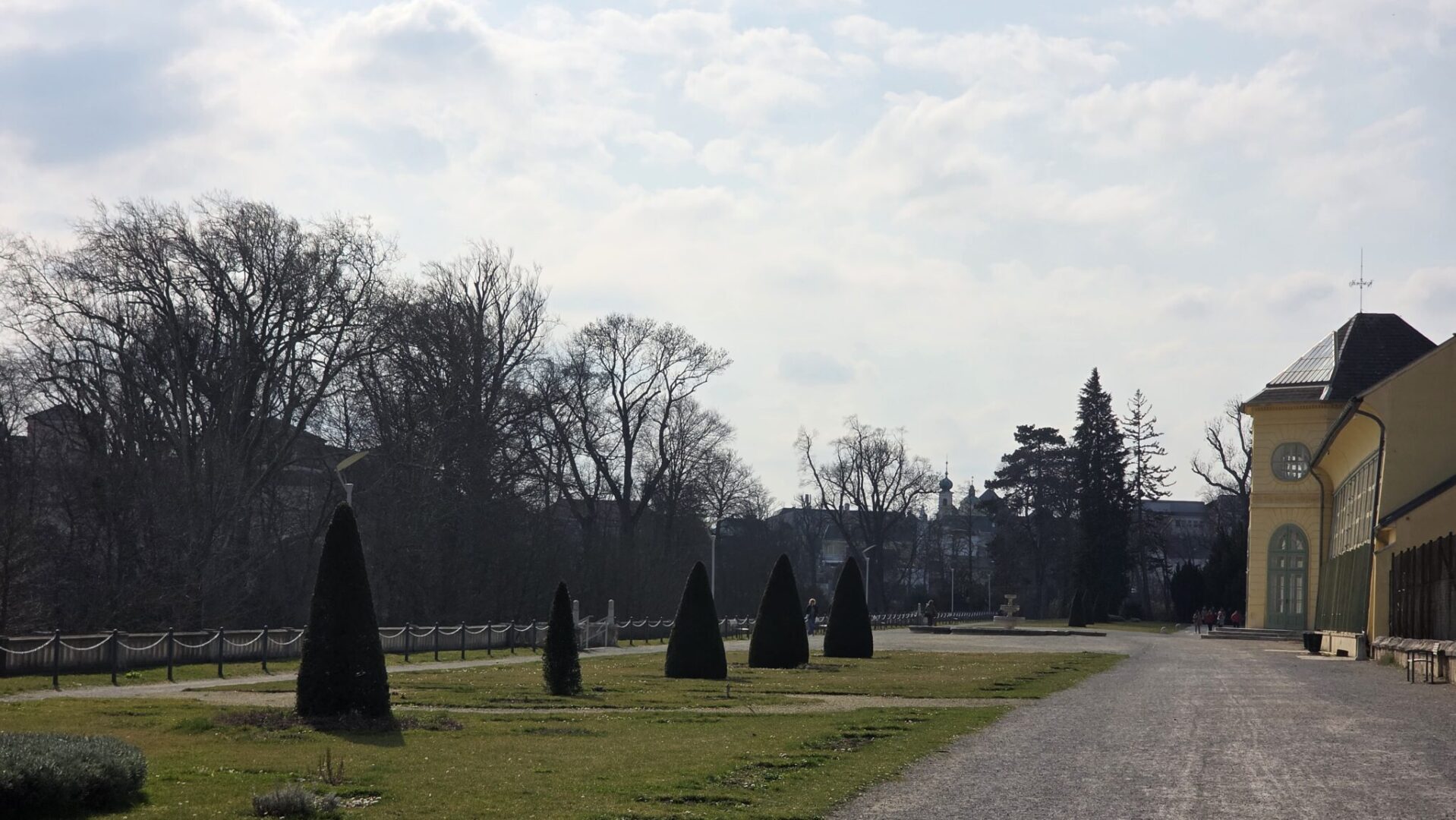
From the lake, we decided to walk towards Esterházy Palace, which had been strongly recommended to us. We had also seen advertisements for it inside the park. It was not far away, although we approached the palace from the back.
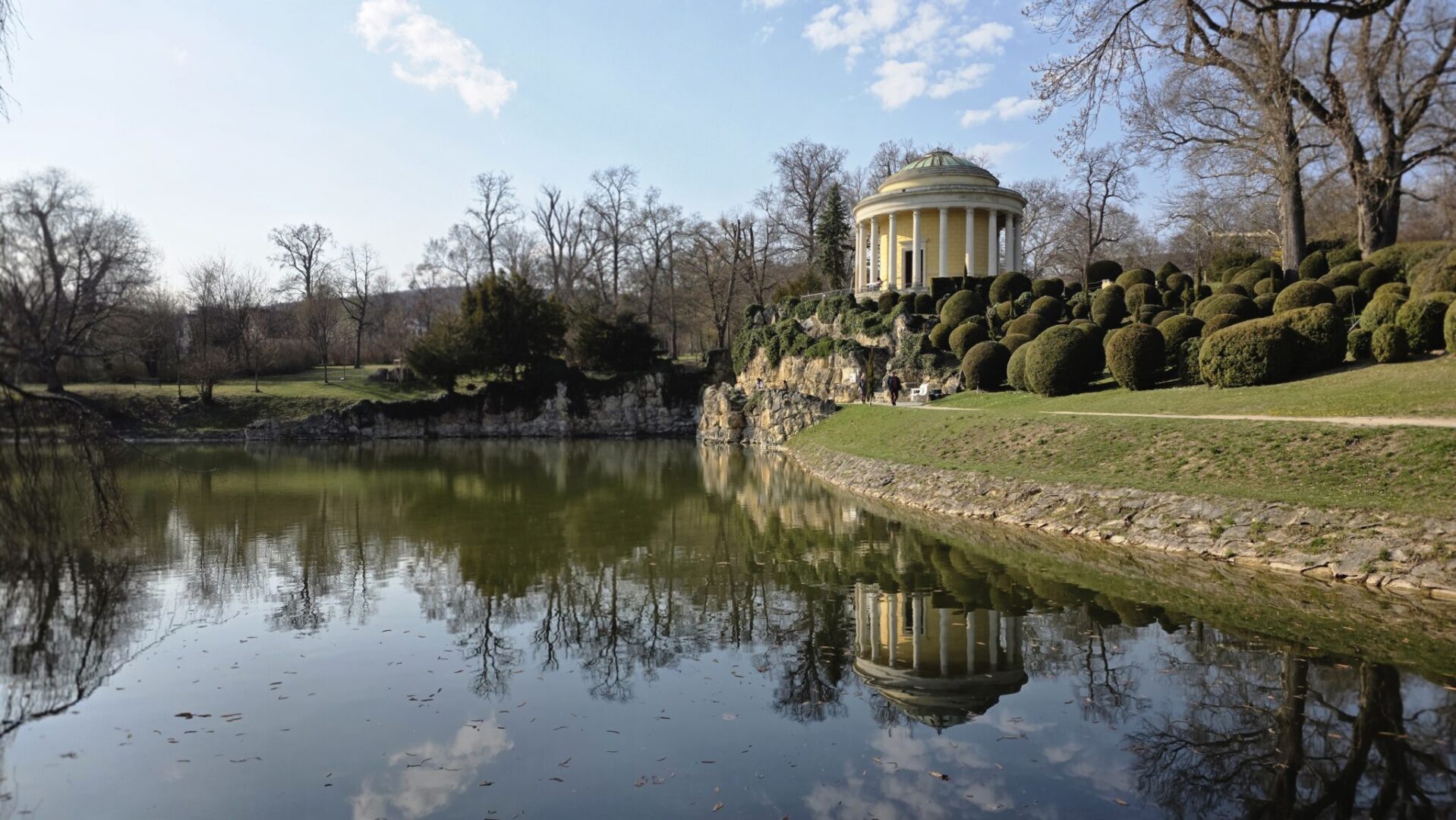
On the way, we came across another lake. It was just as beautiful as the first one. The water was clear, and ducks were swimming nearby without showing any fear of people. In fact, we were probably more afraid of getting too close to them.
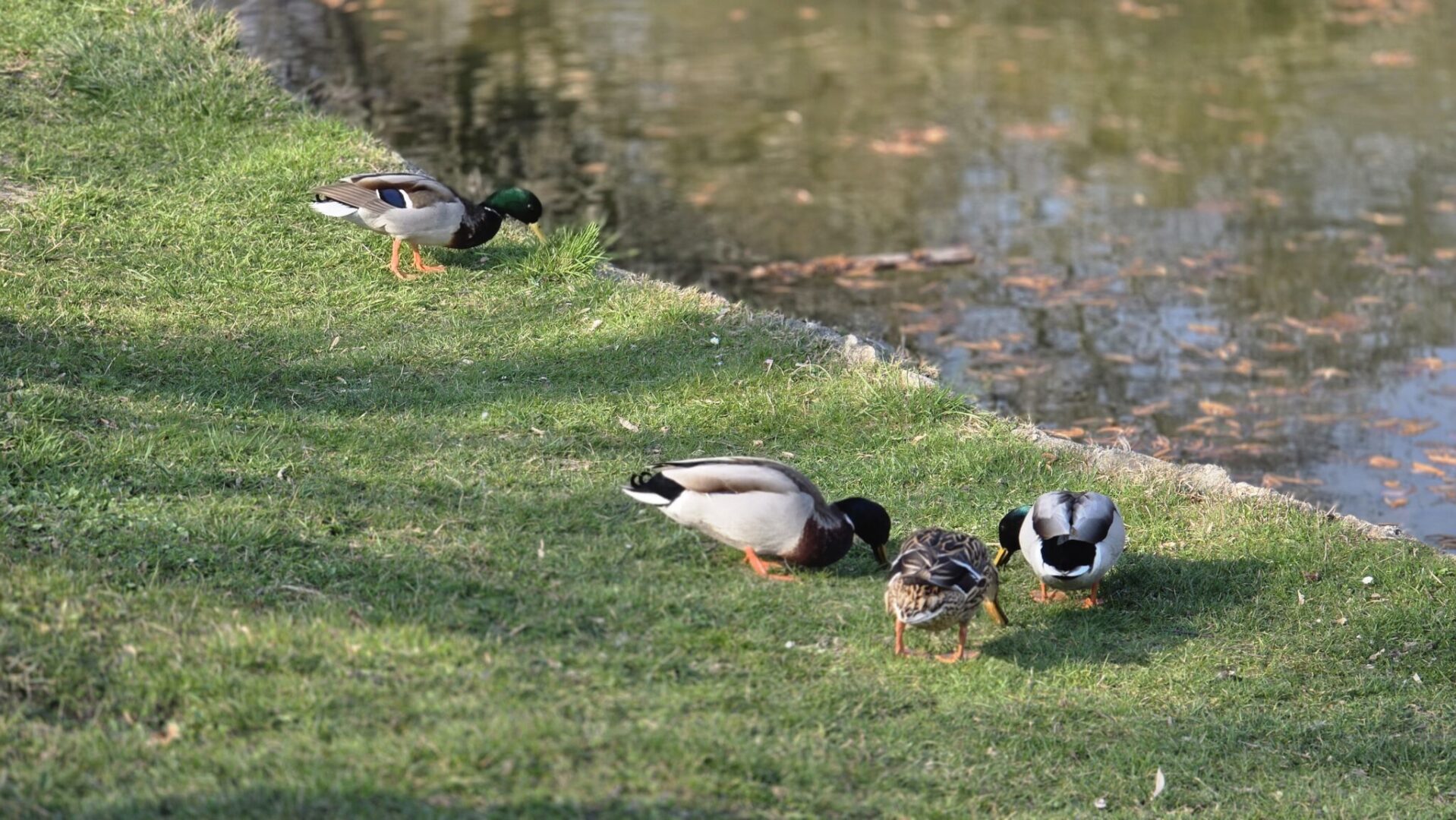
The entire park was carefully maintained. The grass had been cut, and the paths were in excellent condition. You could immediately feel how much regular work was needed to keep such a large area looking so neat. Public spaces in Austria are often treated with exactly this kind of care.
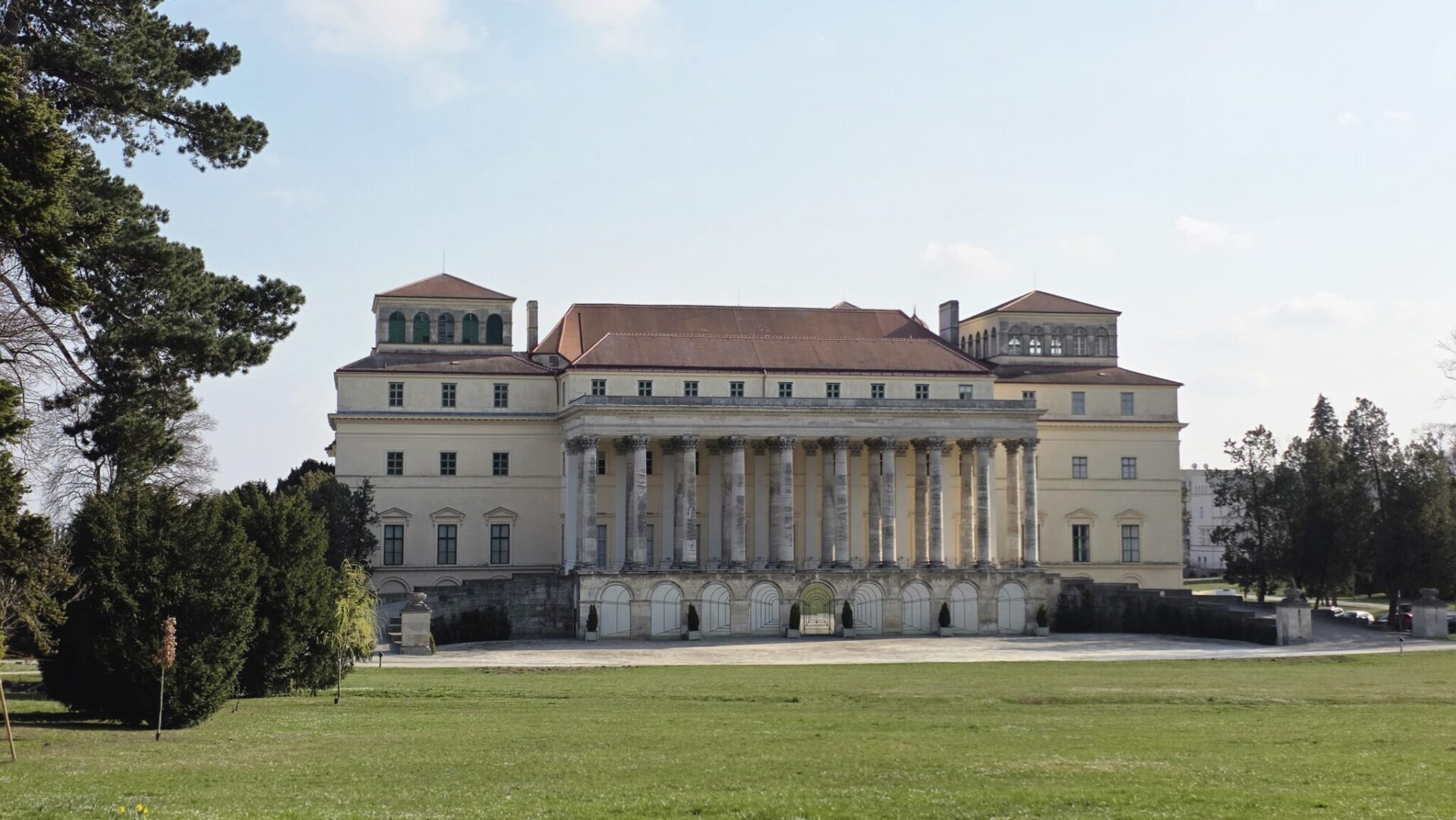
From the park side, Esterházy Palace looked more modest than it did from the main entrance. Even from there, however, its size was clear. A large building stood before us, surrounded by a wide green area. The palace gardens were closed that day. The fence was almost symbolic, however, so we could still see the palace clearly and take photographs.
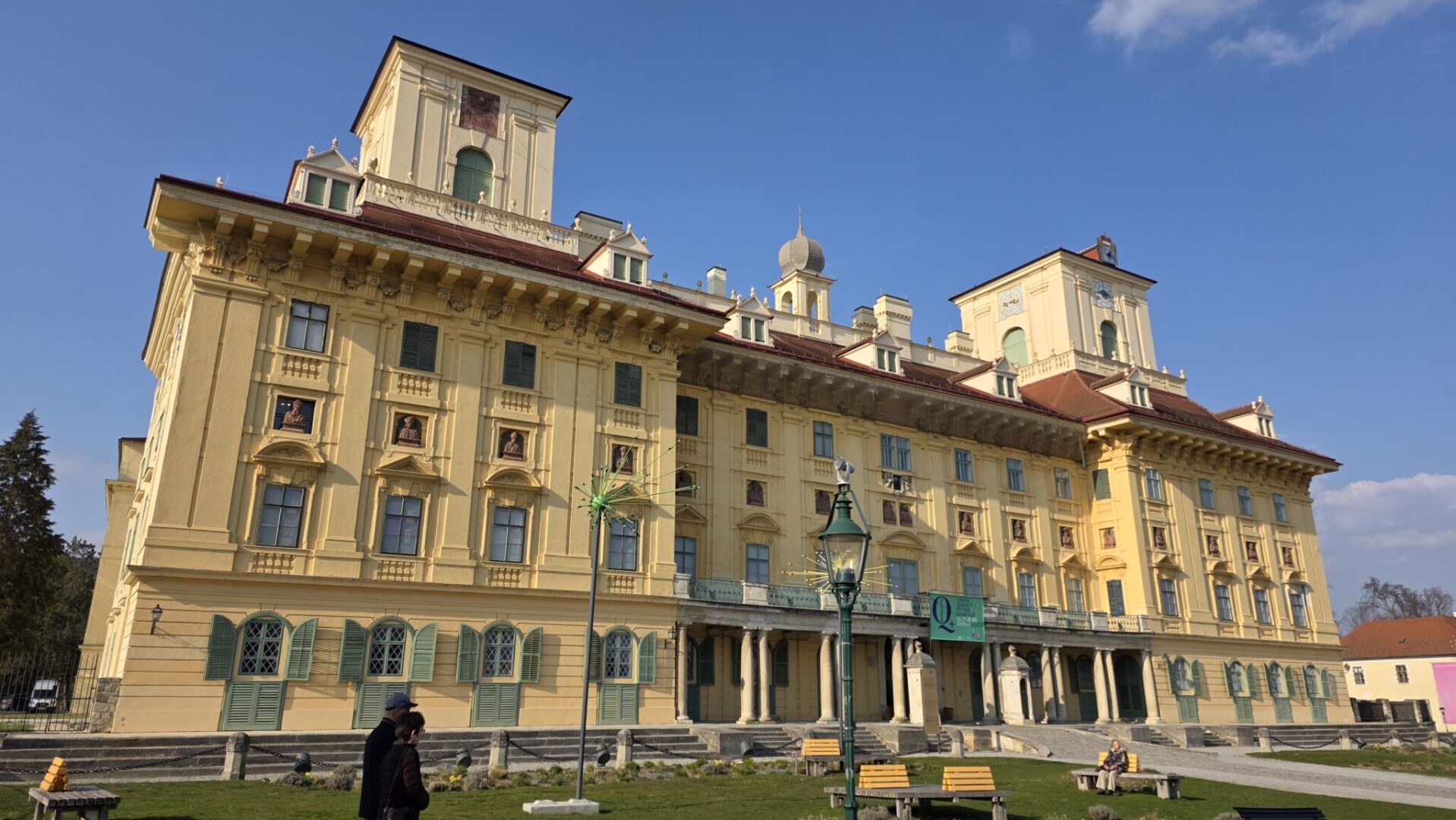
We then walked around the building and reached the main façade. Only there did we understand how large the palace really was and how important a place it occupied in the city. A broad road led towards it. There was plenty of open space in front of the façade, and a neat small park stood nearby. Everything looked grand and ceremonial.
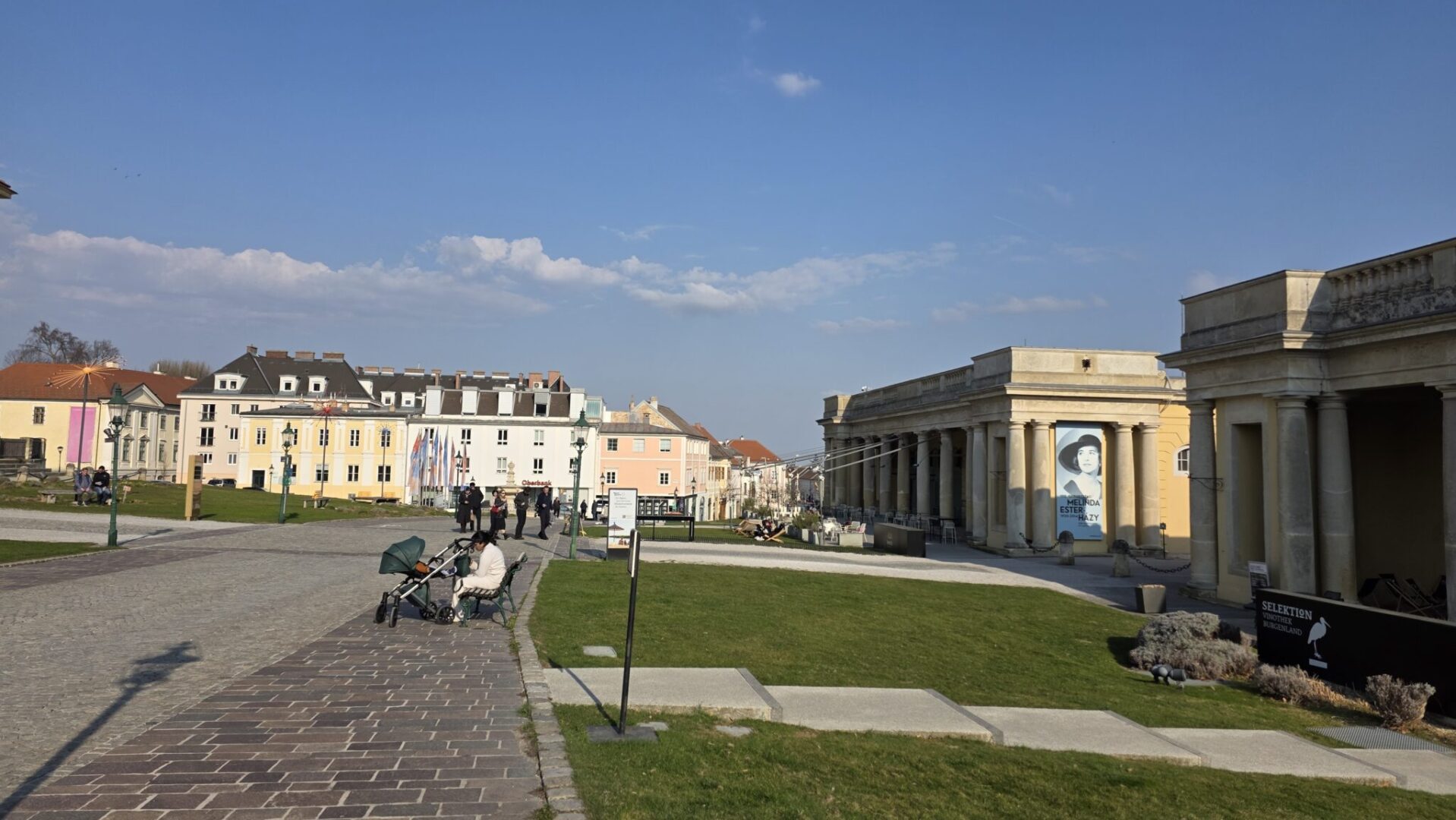
The photographs of Eisenstadt had not prepared us for this impression at all. In real life, the palace was much more interesting and impressive than we had expected.
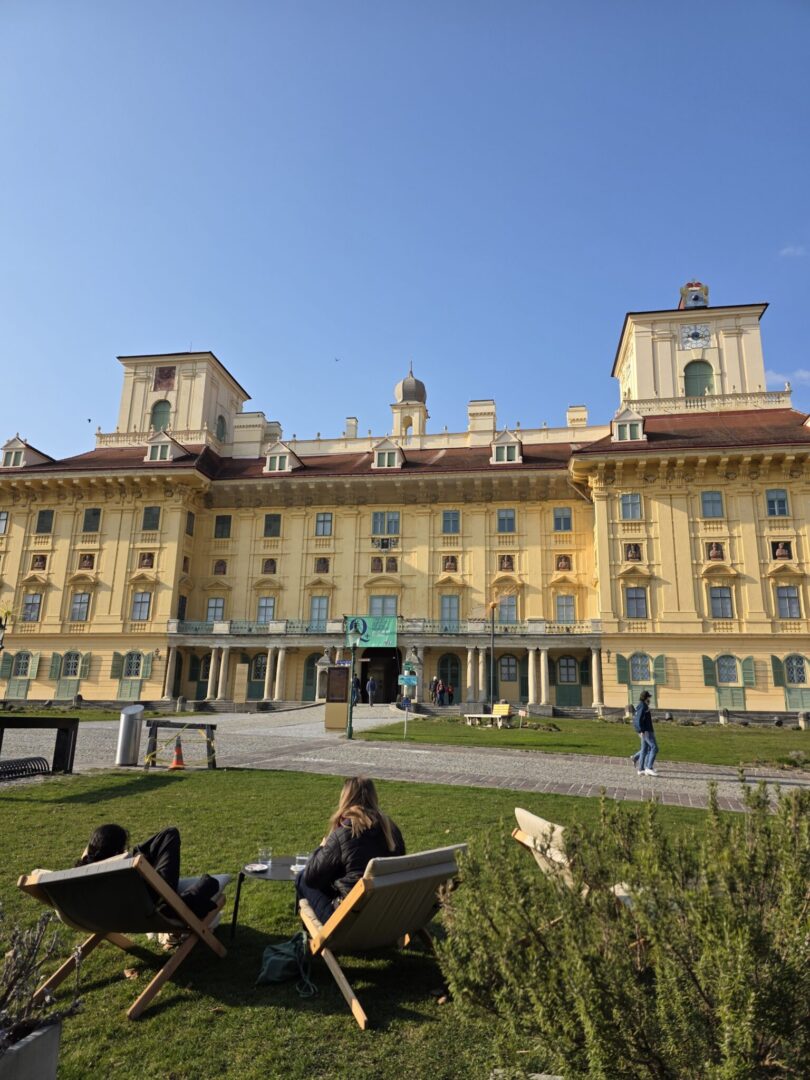
The history of the palace began in the Middle Ages. A fortress originally stood on the site, and its medieval core was built at the end of the fourteenth century. In 1622, control of Eisenstadt passed to Nikolaus Esterházy and later became the property of his family. In the second half of the seventeenth century, his son Paul I Esterházy rebuilt the old fortress as a large Baroque palace.
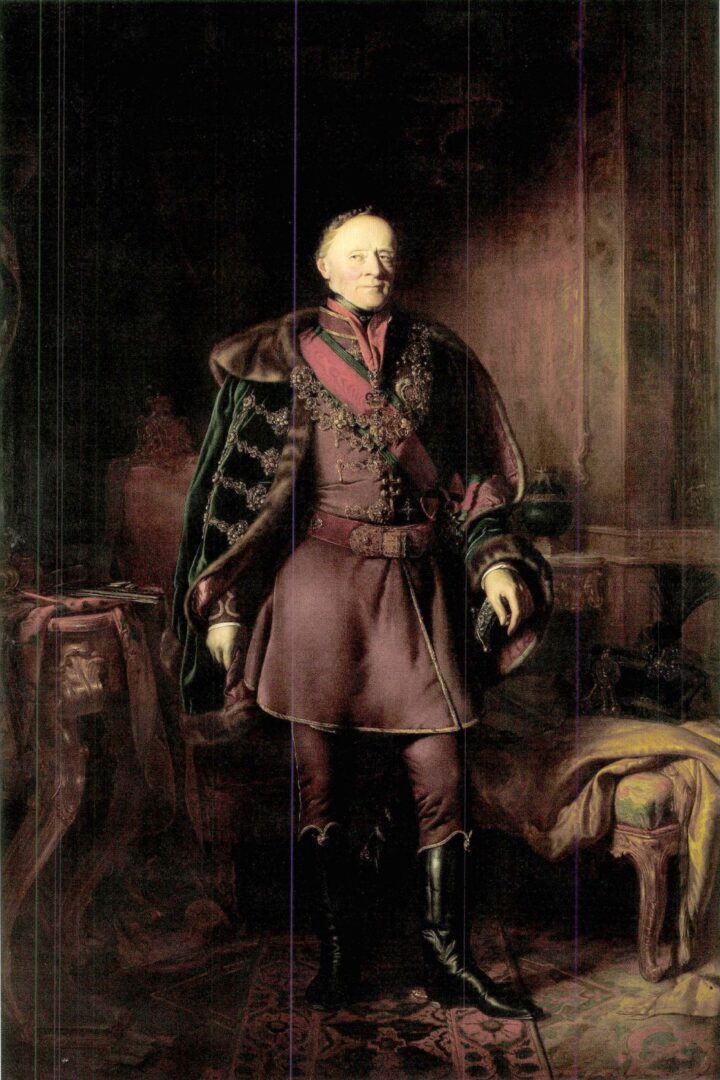
By József Borsos – Veszprémi Nóra – Szücs György (szerk): Borsos József festő és fotográfus (1821–1883), A Magyar Nemzeti Galéria kiadványai 2009/4, Budapest, 2009, cat. no.: 36 (Magyar Digitális Múzeumi Könyvtár), Public Domain, Link
The Esterházys were one of the most influential Hungarian aristocratic families in the Habsburg monarchy. Their estates were located in what is now Hungary and Burgenland. For several centuries, the palace in Eisenstadt was one of the family’s main residences.
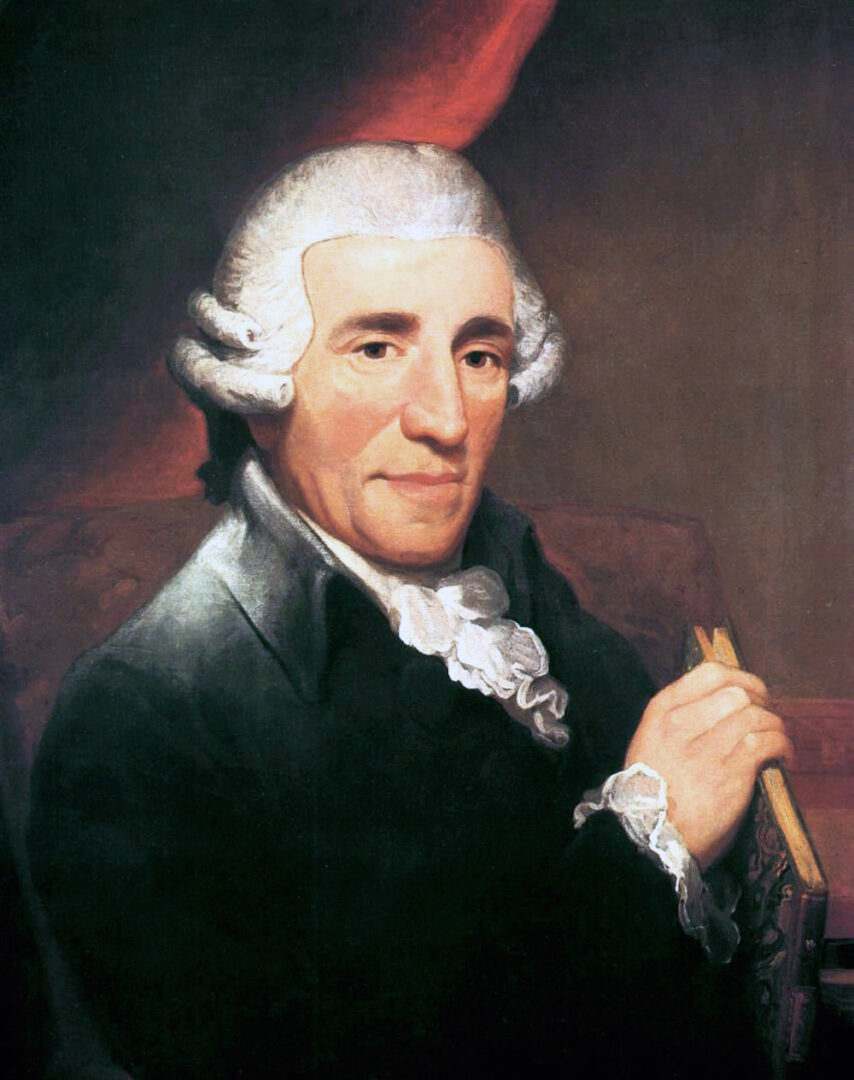
By Thomas Hardy – Unknown source, Public Domain, Link
The history of Joseph Haydn is closely connected with this place. From 1761 to 1803, the composer worked for the Esterházy princes. He served as a court musician and musical director, wrote music for the family, and directed performances of his works. Today, the palace’s main concert hall is named after Haydn.
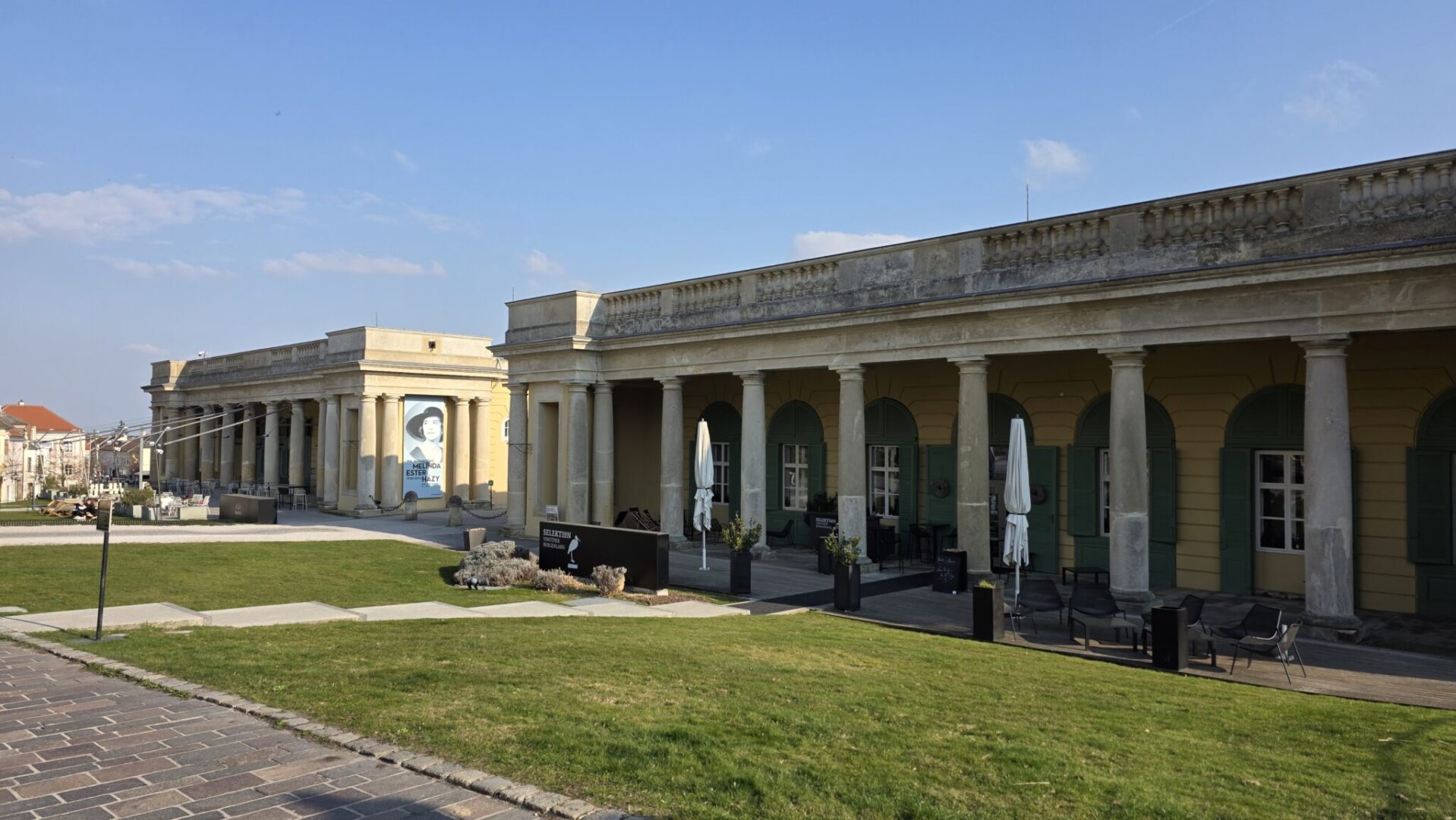
There was a café directly opposite the building. You could sit at a table, drink coffee, and look at the main façade. After our long walk around the city, we decided to rest there.
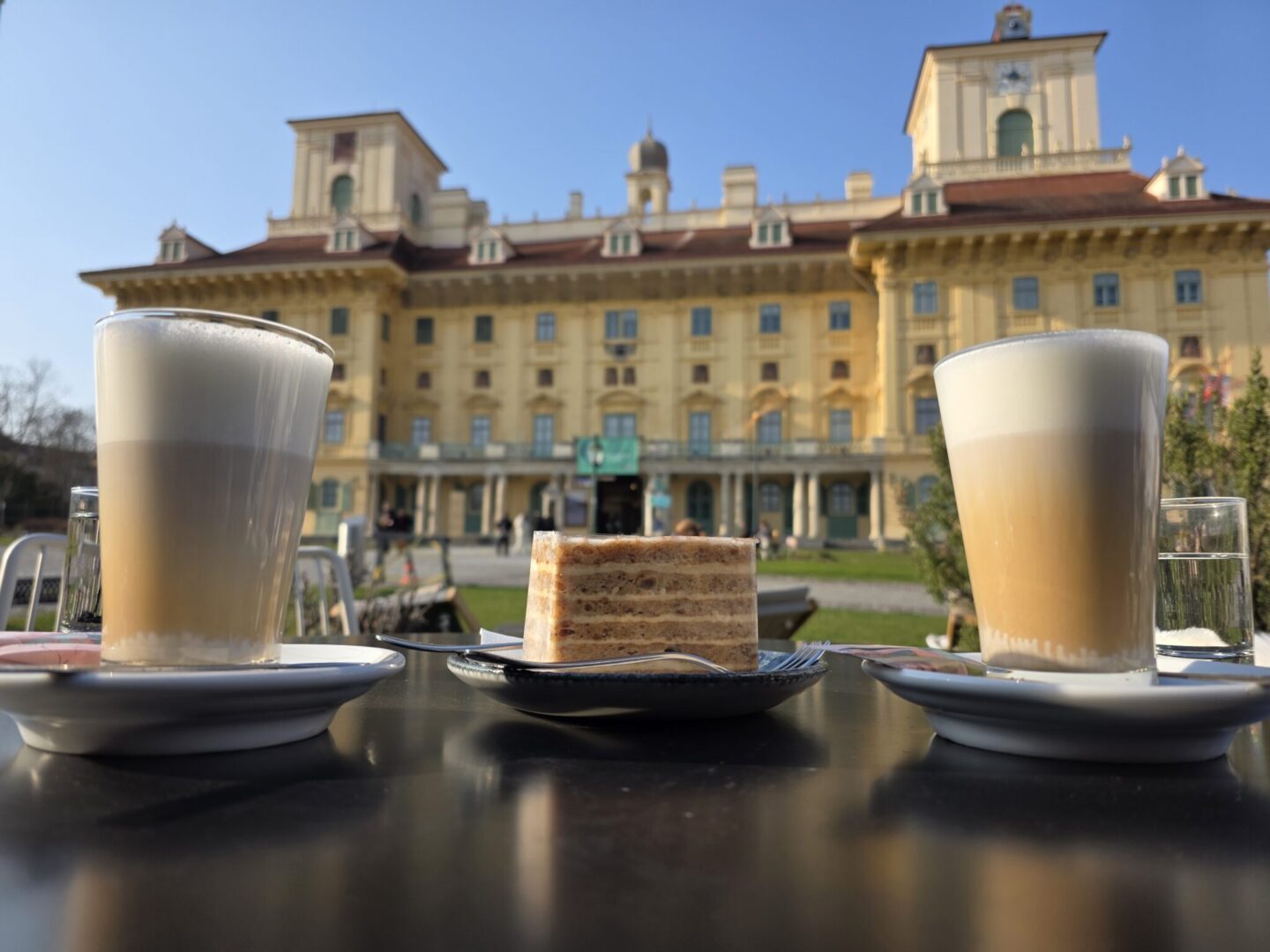
We ordered coffee and Esterházy cake. Being able to eat an Esterházy cake while looking at Esterházy Palace seemed funny and rather unusual to me. Before this trip, I had known the name only from the dessert, which was sold even in shops in Krasnodar. Now the word had a real place behind it. I think of a sunny day, the square in front of the palace, and a cup of coffee on the table. These small moments are probably what stay in our memory after travelling.
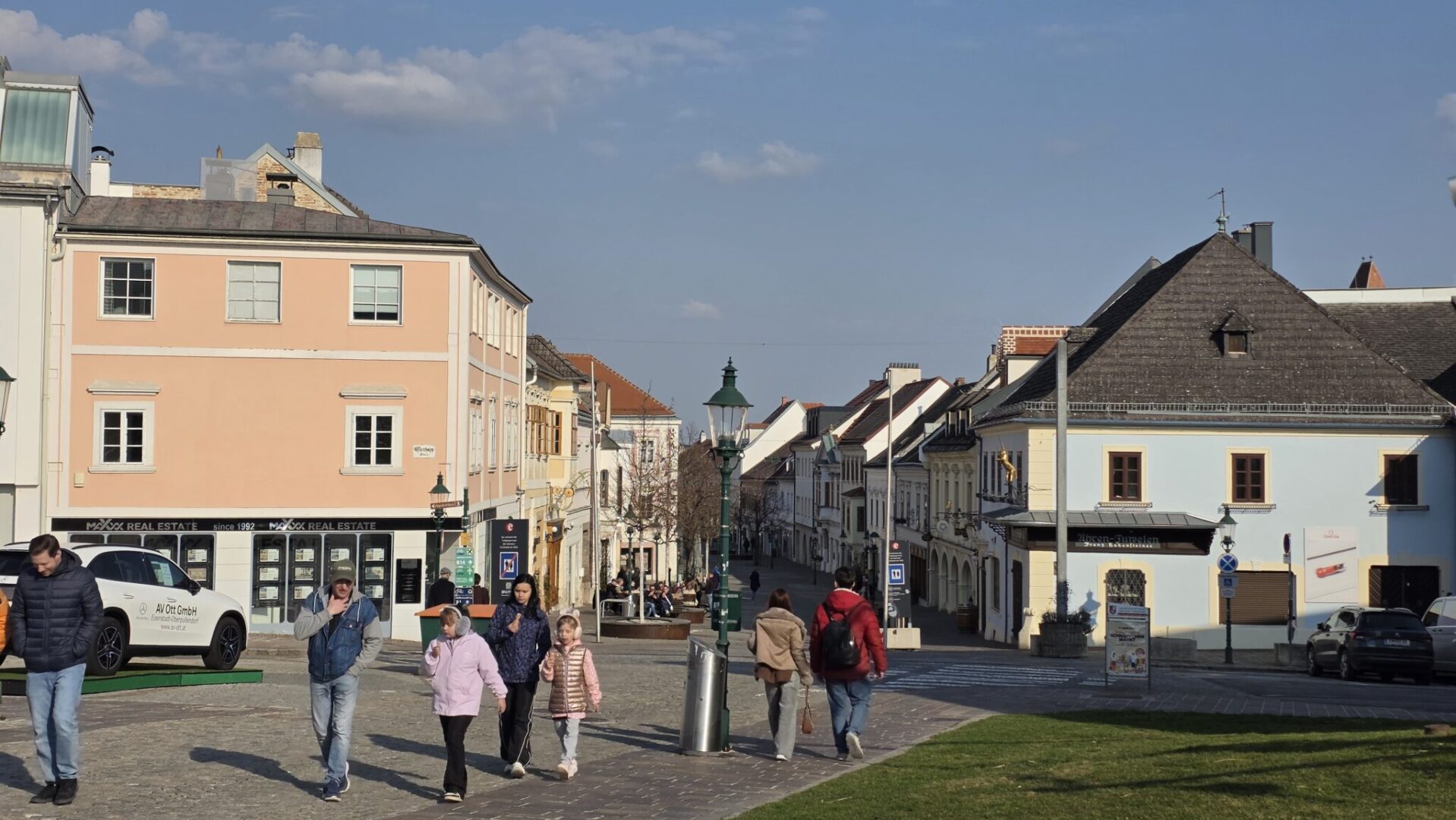
While we were sitting in the café, people were arriving for some kind of musical event at Esterházy Palace. They came slowly. Some women were wearing evening dresses, and many people had brought their children. They laughed, smiled, and calmly entered the palace. Simply watching them already created a positive mood.
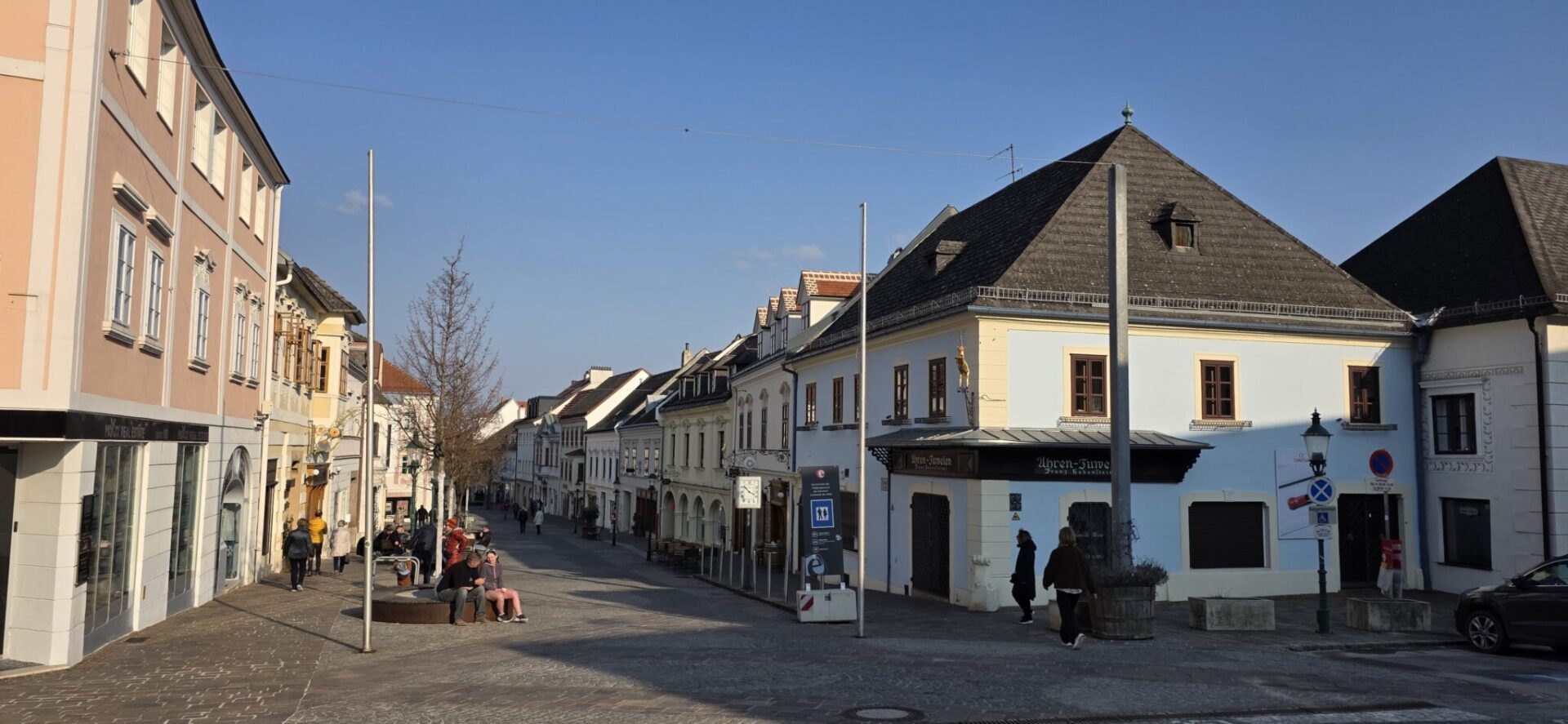
After the café, we returned to the main square. Families, elderly people, and small groups of friends were still walking there. Nobody seemed to be in a hurry. People talked, relaxed, and enjoyed the sunny spring day.
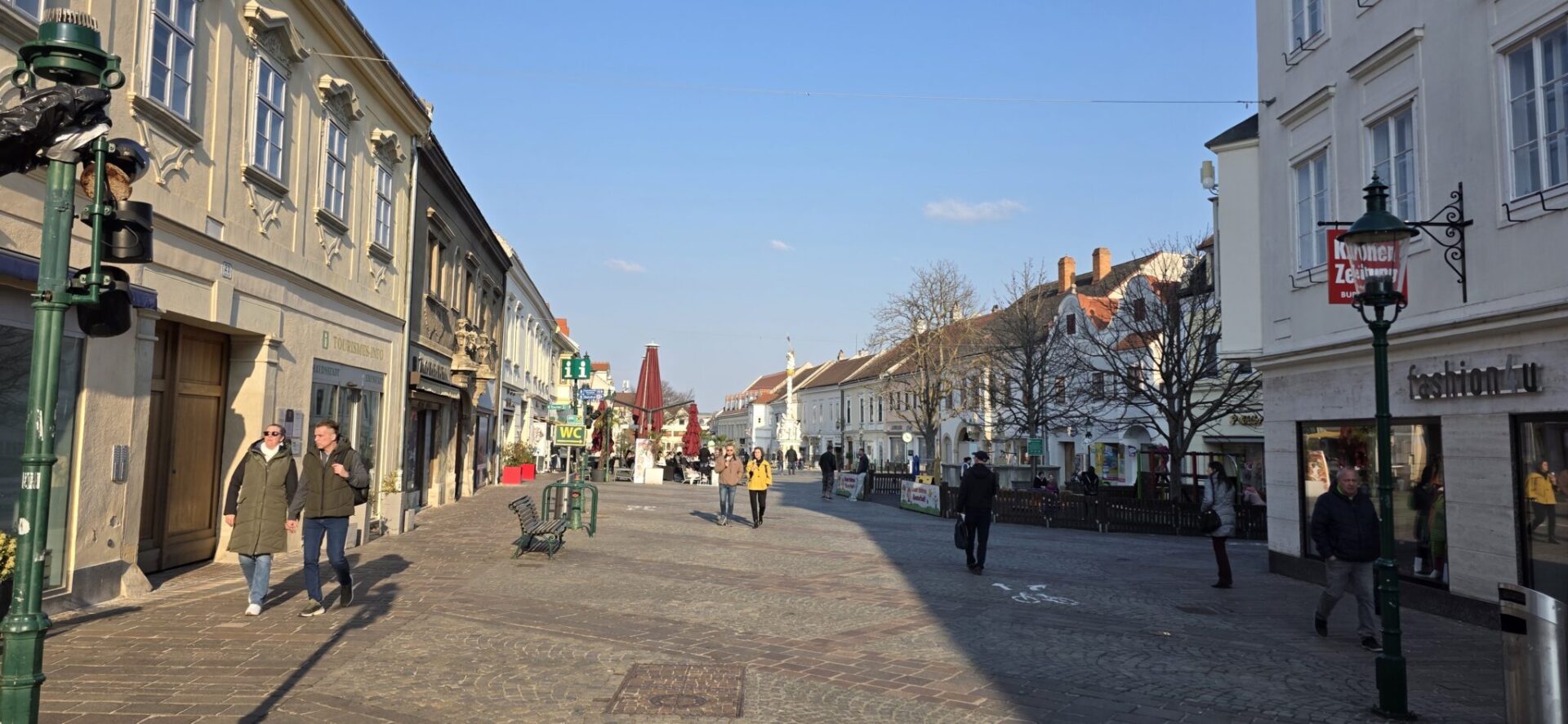
A long queue had formed outside a small café selling ice cream. Some people were buying sweets, while others sat on benches. Children played beside the adults. It felt as if the entire city was spending the weekend together.
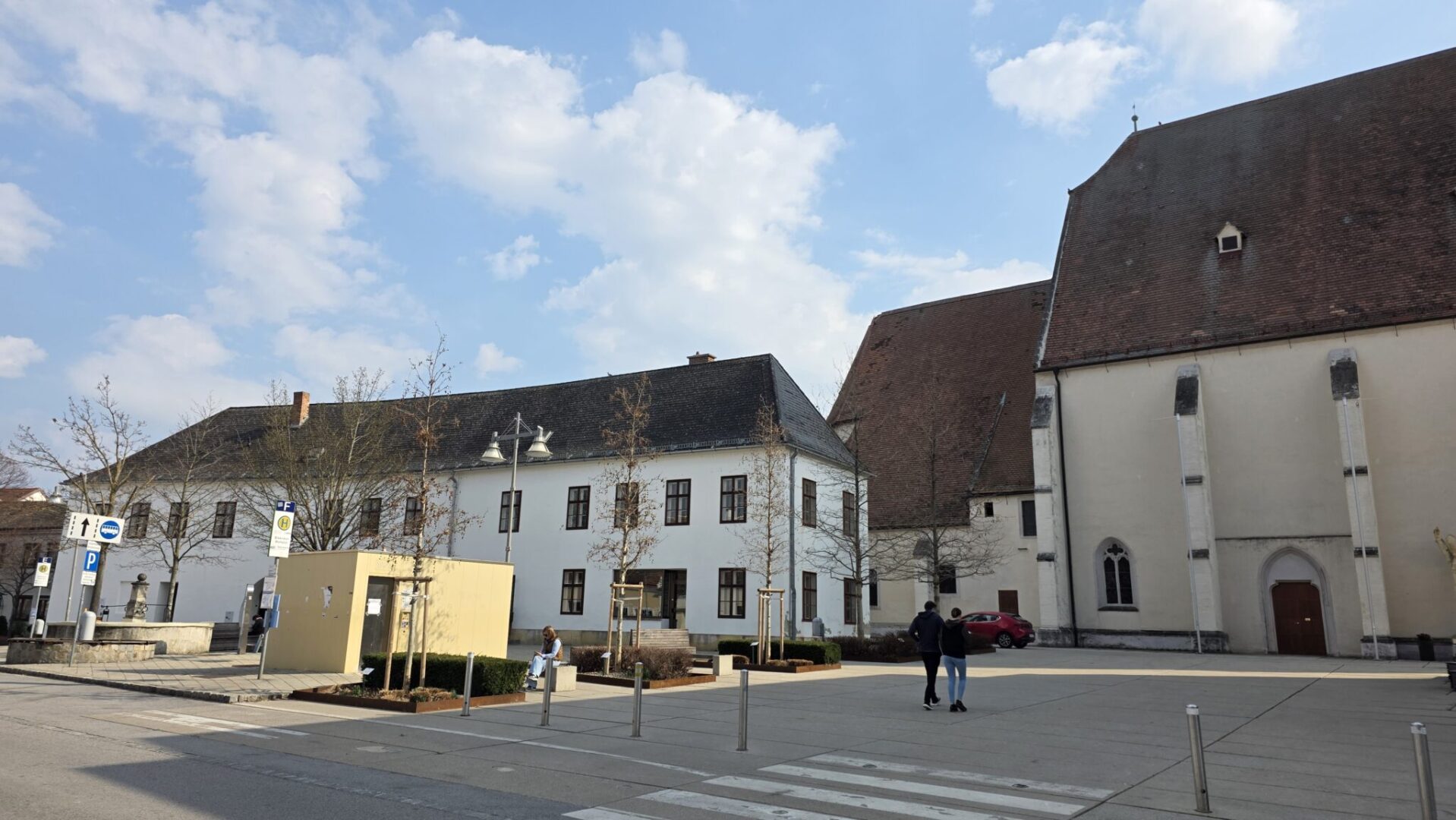
There was a strong sense of Austrian prosperity in Eisenstadt. The streets were incredibly well maintained, and the people looked relaxed and confident. It seemed that everything in the city was going well. The atmosphere was so peaceful that cortisol simply had no reason to rise there.
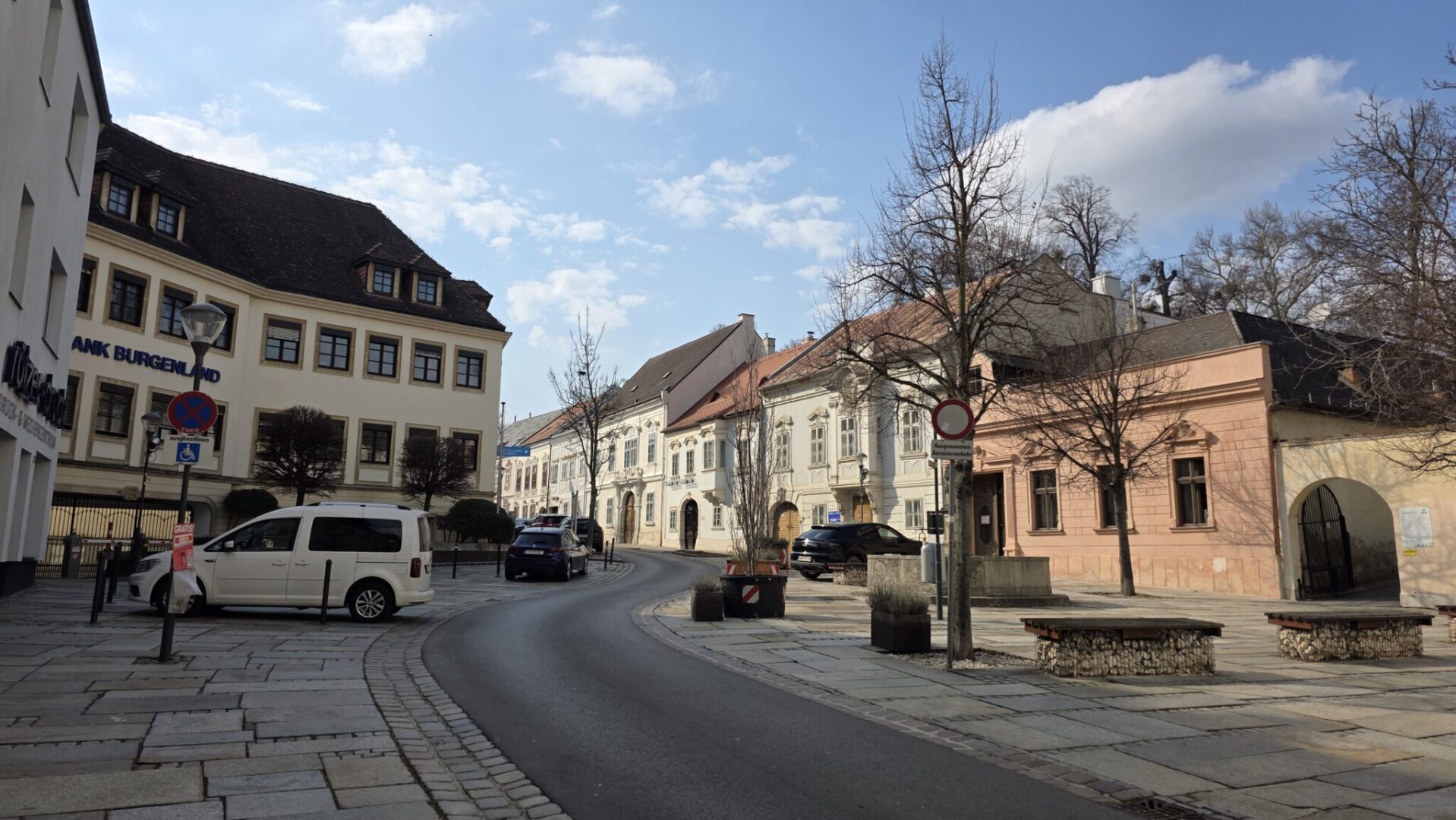
It is very difficult not to love Austria on days like this. First, you arrive in a small city on an ordinary regional train. Then you walk through beautiful streets, rest in a park, and drink coffee opposite an old palace. Slowly, you begin to understand how much human work is needed to make everything around you function this well.
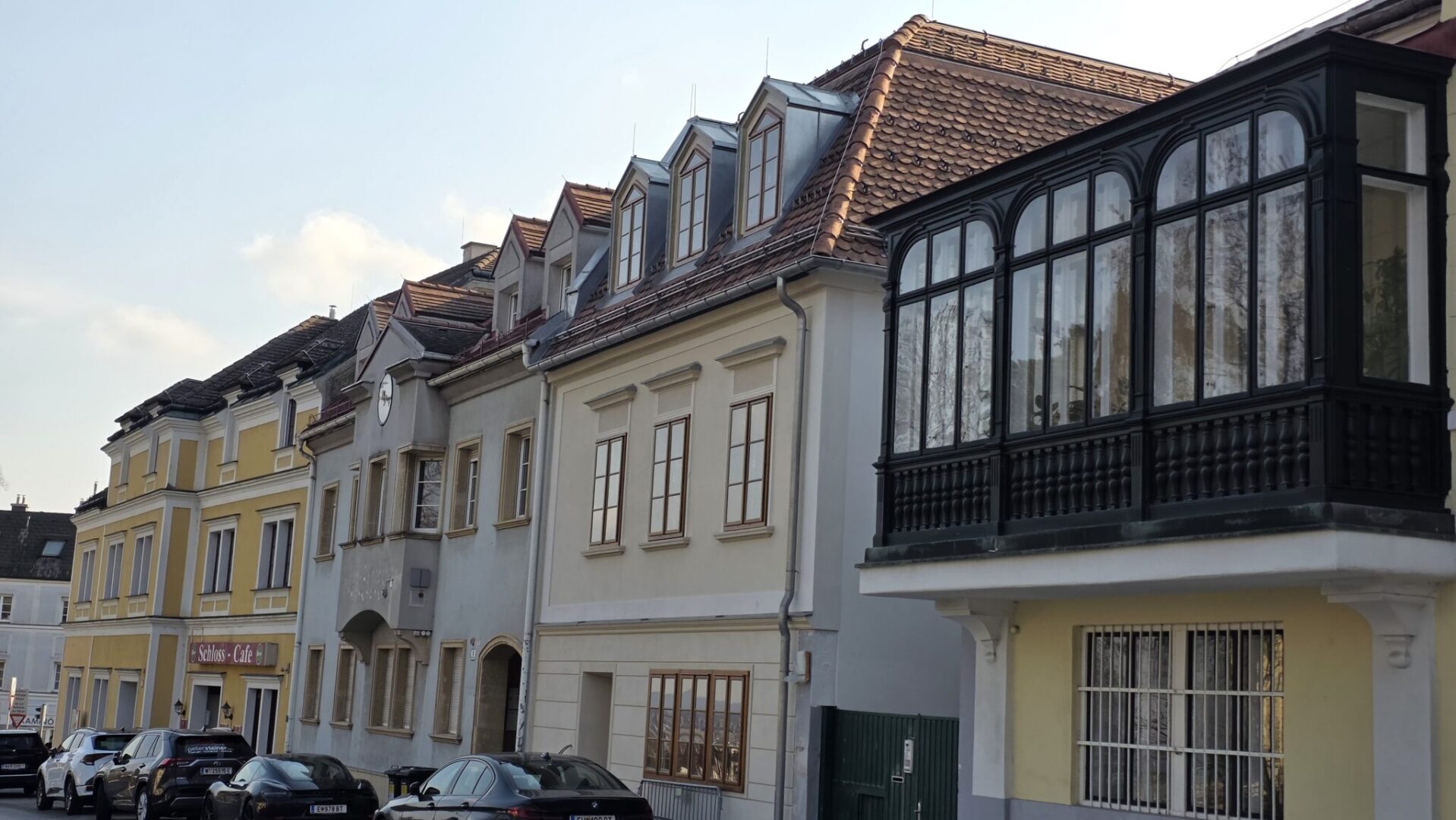
On days like this, I feel especially grateful for the chance to live in Austria and travel freely around the country. Good public transport allows you to leave for another city in the morning and return home by evening. The clean streets and well-kept parks are also there because people work on them every day.
This gratitude makes me want to contribute something to the country in return. It makes me want to pay my taxes honestly and do my own work well. It makes me want to create projects and tell readers about places that have surprised me.
Austria often reminds me of a large, hardworking family. So much here depends on personal responsibility and respect for shared spaces. Over time, you also begin to think more carefully about what you do and what you leave behind.
This is one of the reasons I love Austria and our trips through its smaller cities so much. Eisenstadt once again reminded me how much pleasure a few hours away from Vienna can bring. It is in places like this that you discover a calm and almost non-touristic side of Austria.
We walked around a little longer and then returned to the railway station in time. The train left on schedule, and the journey home was peaceful. By the evening, we were having dinner in Vienna and remembering the pleasant day we had spent in Eisenstadt.
You may also like these articles:
- An Emigrant’s Observations: My Nine Years in Austria
- Photo Report from Donauinselfest 2026. Part Two: Giant Rooks and Another Evening on the Island
- Photo Report from Donauinselfest 2026. Part One: My Ugly Clementine
- An Emigrant’s Observations: The Russian Language Without the “Russian World”
- Marilyn Manson Live in Vienna: A Look Back at the Concert
- LP Live in Vienna: A Look Back at the Concert
- An Emigrant’s Observations: Anti-Putinism and the Imperial Lens
- It’s My Birthday Today!
- My Life in Austria: July 2026
- An Emigrant’s Observations: My Toxic Homeland —Yesterday, Today and Tomorrow
- Ricchi e Poveri Live in Vienna: A Night of Music and Memories
- An Emigrant’s Observations: Simple Ways to Support Your Emotional Well-Being
- Eisenstadt in Pictures: A Day in a Small Austrian City
- Exploring Vienna’s Neubaugasse Flea Market
- Sofia Isella Live in Vienna: A Concert Review
- An Emigrant’s Observations: When Mistakes Become Toxic While Adapting
- An Emigrant’s Observation: Extreme Heat in Europe and Austria in 2026
- My Emigration to Austria: June 2026 Recap