
Today, you can still see sunny skies over Vienna, and the last warm days are tempting residents and visitors to the Austrian capital to wander through its streets and parks, restaurants and outdoor terraces, enjoying the tranquillity amid imperial splendour that this beautiful city offers. But I found myself wondering: is Vienna really as wonderful as I think it is? After all, I come from lovely Krasnodar, which, to be fair, has always been something of an oversized village. So I decided to look up some figures about the former capital of the Habsburg Empire, and I was pleasantly surprised.
During our weekly walks, Julia and I constantly notice just how many parks there are in Vienna. You walk a few blocks, and suddenly you can disappear into greenery again. Sometimes a park is very small and distinctly urban, yet it manages to accommodate a surprising amount of life and serve all sorts of important purposes for the community. Julia and I even joke about it: children playing on a playground to the left, adults enjoying beer and sausages to the right, dogs running around in their own separate fenced area straight ahead, and somewhere nearby young people playing basketball. Everything is close together, and everyone has their own little corner.
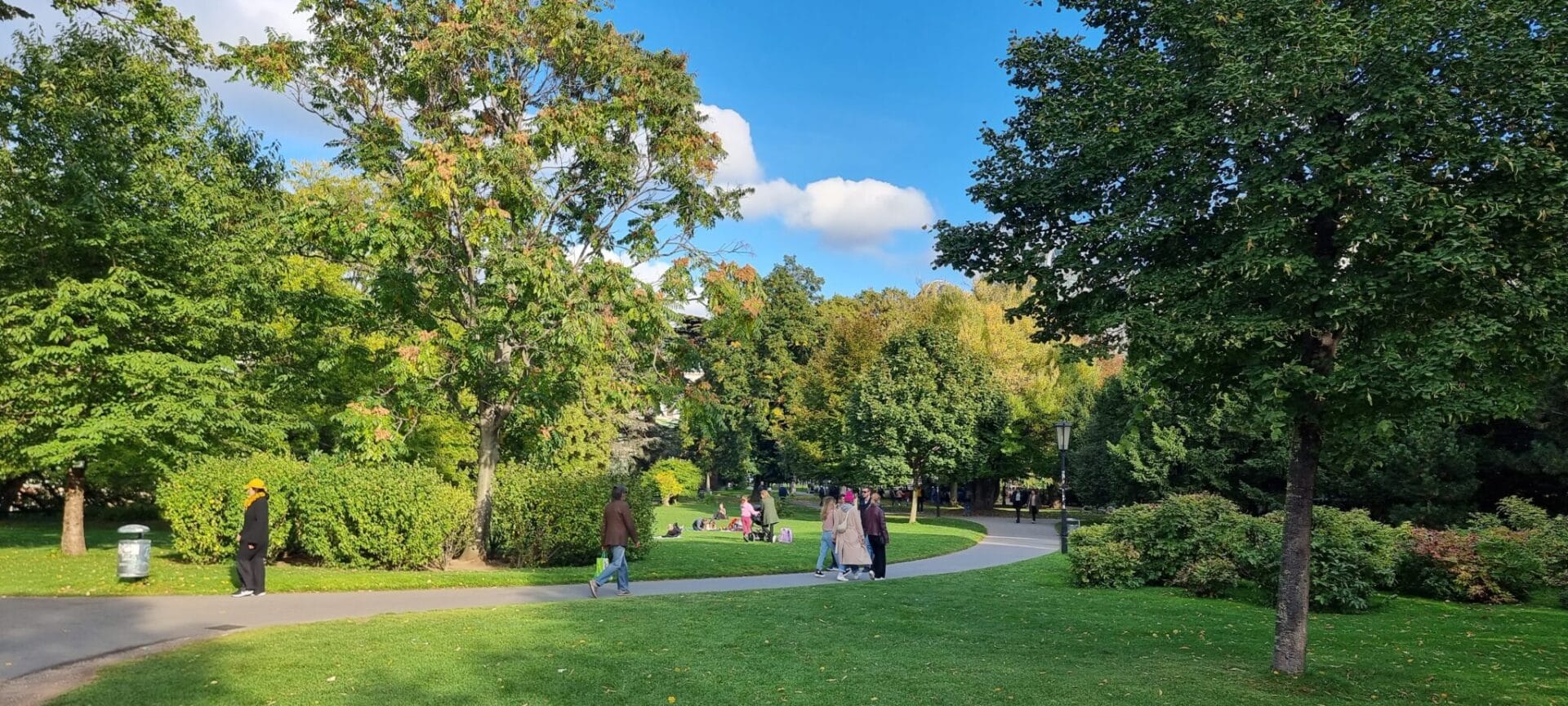
It turns out that Vienna has more than 1,000 municipal parks. Together with bodies of water, green spaces cover 53% of the city’s area. And you can really feel it, because the air here tastes incredibly fresh and clean. So Vienna can quite rightly call itself a “green capital.”
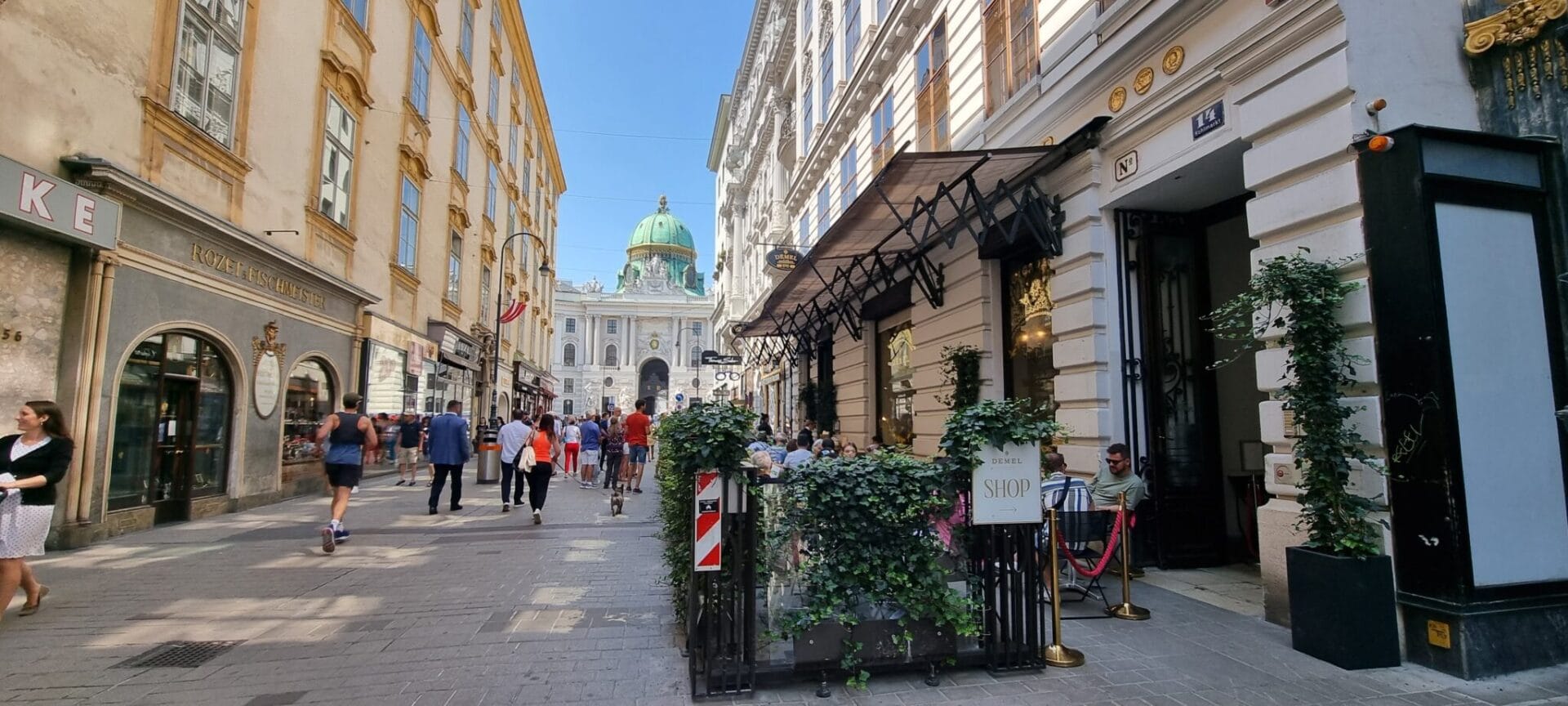
This everyday reality hardly fits the image of Vienna as a city that has grown old along with its palaces. The average age of a Vienna resident is 41. The capital has 24 higher education institutions, while the history of the University of Vienna dates all the way back to 1365. And when it comes to children and teenagers, the living conditions here are practically ideal. Vienna has more than 1,800 playgrounds and around 140 large sports grounds.
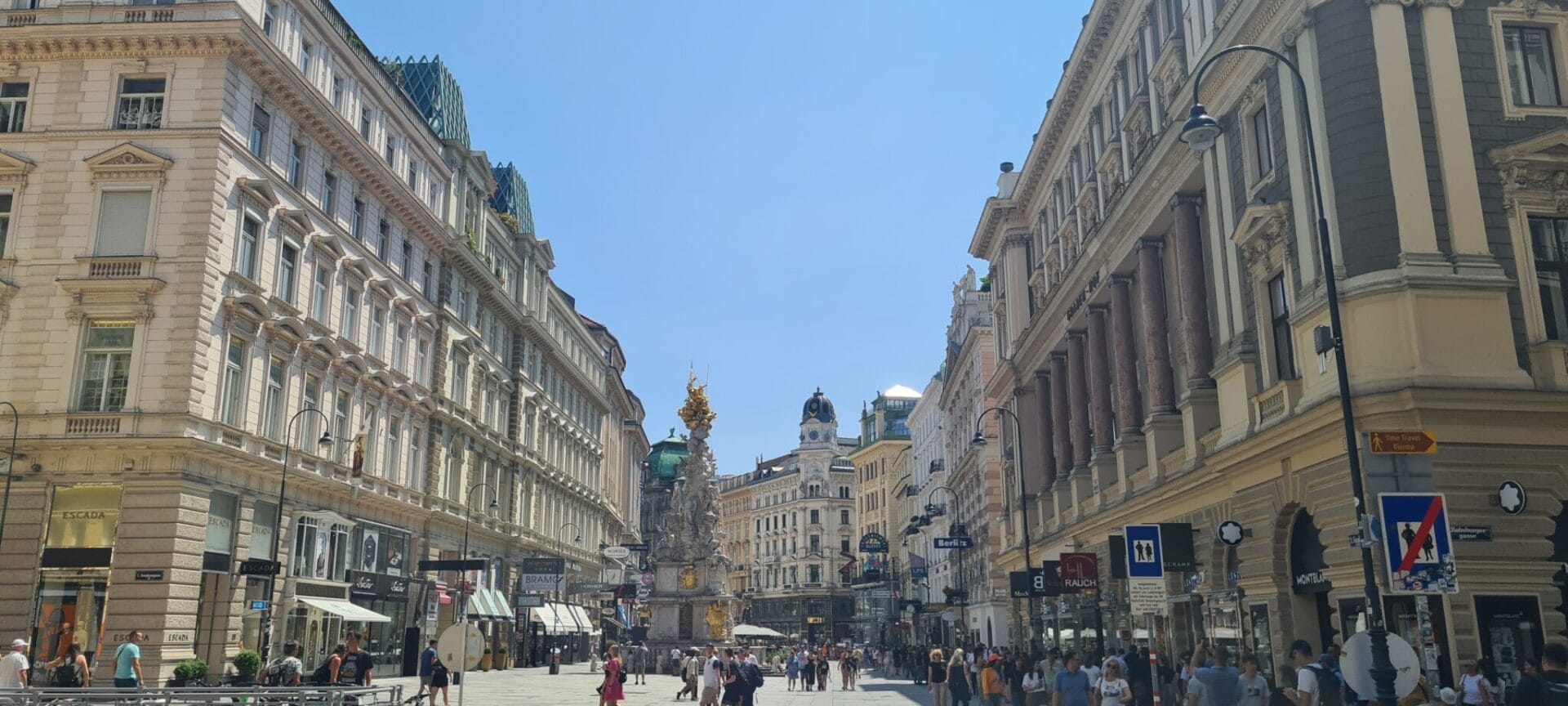
Another important and attractive aspect of the city for me is its diversity. And I am not just talking about Pride. I love hearing different languages around me. Vienna feels like an international city even in the most ordinary conversation happening somewhere nearby, when you recognise a few words, try to identify the language, or hear what it sounds like for the very first time. People with 187 different citizenships live in Vienna, and more than a third of its population are citizens of other countries. You can feel this literally everywhere.
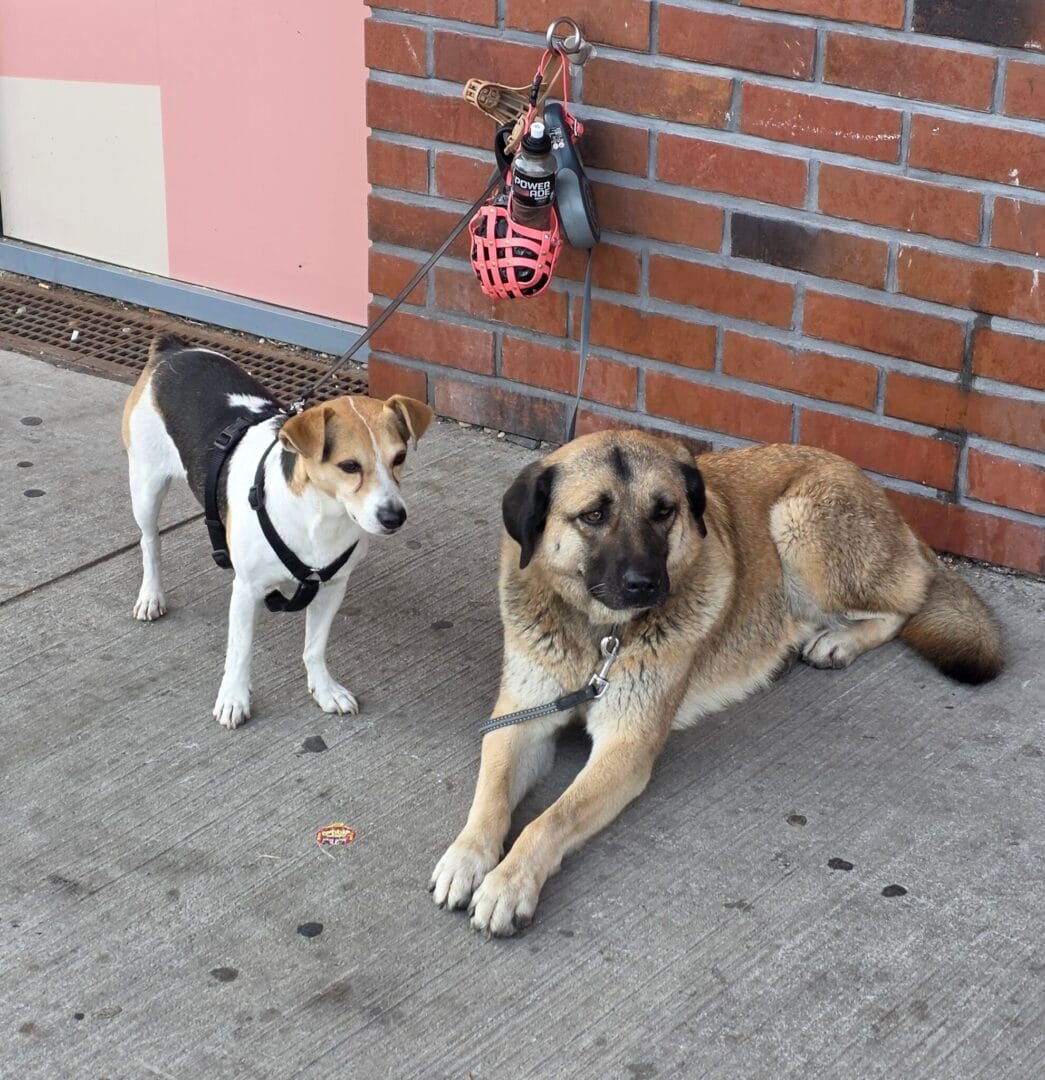
Vienna’s dogs are hard to miss. You constantly come across them while walking around. And most importantly, they are so well cared for and often incredibly friendly that they have long since become part of the city’s familiar surroundings for me. There are no stray dogs here, as in much of Europe. But Vienna is impressive in its scale. Almost 60,000 dogs are registered in the Austrian capital — approximately one dog for every 34 residents. And alongside this very visible canine population, there are plenty of other neighbours we pay much less attention to. For example, Vienna is home to 22 species of bats.
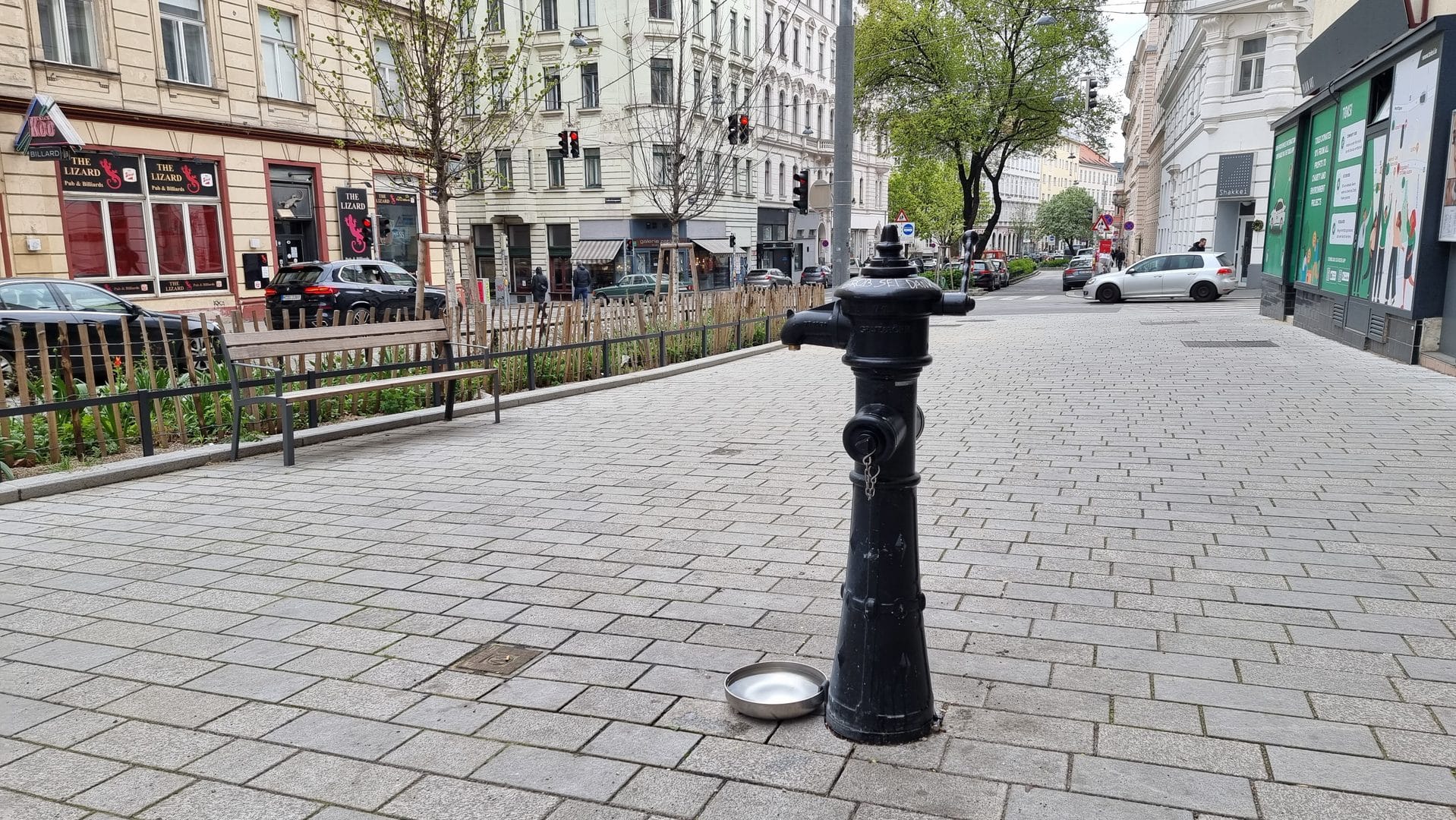
Another subject I could talk about forever is Vienna’s drinking water. In summer, the small conveniences you encounter along the way become especially valuable. A drinking fountain takes up very little space, but on a hot day, stopping at one is an absolute pleasure. There are around 1,800 drinking fountains throughout Vienna, and I can say that you seem to come across them almost as often as the city’s parks.
The history of water here has also long been part of the city’s history. Vienna’s first spring-water supply system was built between 1869 and 1873. A century and a half separates that major engineering achievement of the nineteenth century from the simple pleasure of being able to drink water on the street today. And my goodness, how delicious that water is!
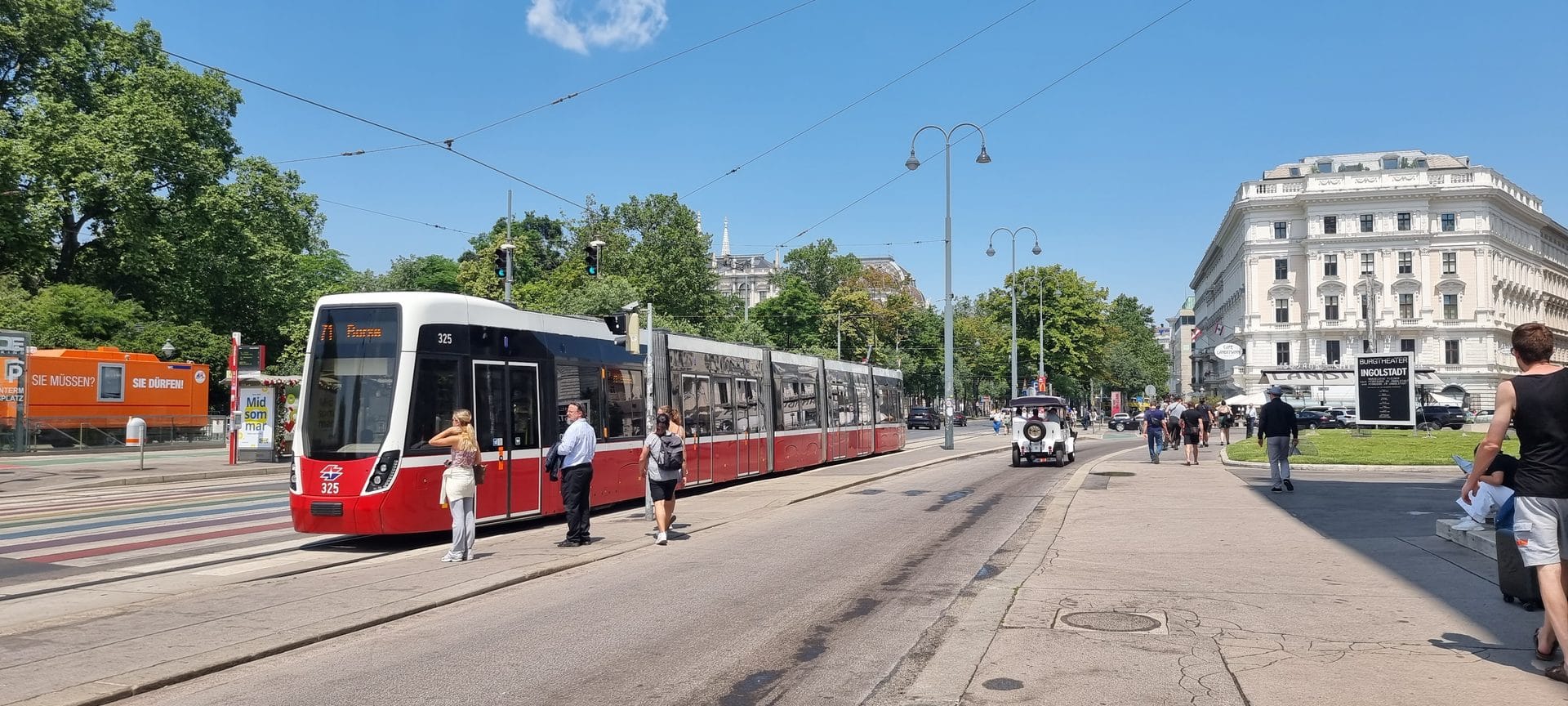
I often talk about how much I love Vienna’s public transport. You appreciate it especially after a major concert or festival, when enormous numbers of people suddenly need to get home. Buses and trains arrive, the crowds spread out, and you head home along with everyone else. But the figures make this even more interesting. Wiener Linien provides more than 900 million passenger journeys a year. At the same time, Vienna has 36 passenger cars for every 100 residents, compared with 62 in the considerably smaller city of Klagenfurt. Vienna has the lowest ratio of any Austrian federal state. Incidentally, we do not have a car and have no plans to get one. Although, when we finally needed one, we rented it — for the first time in six years of living in the capital.
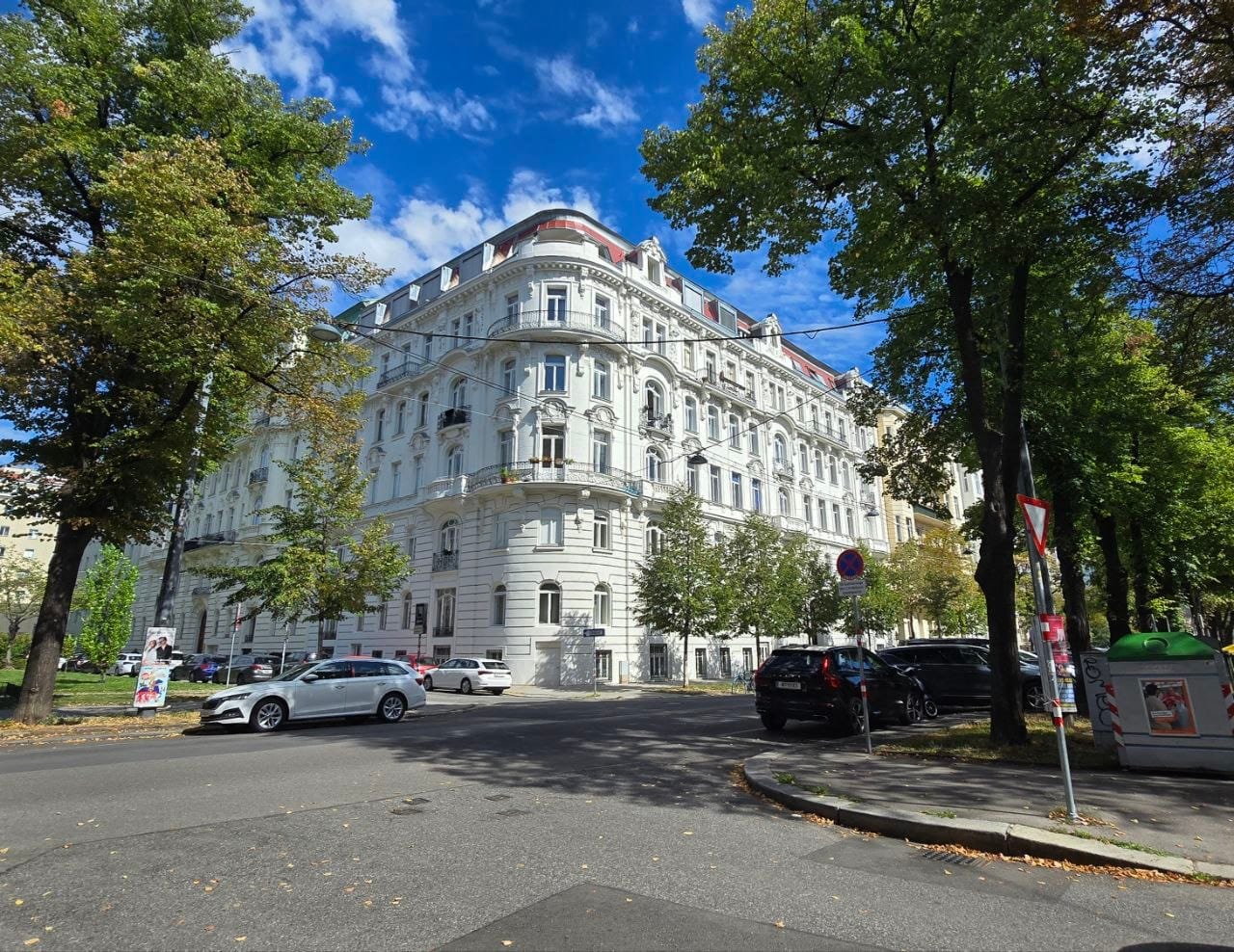
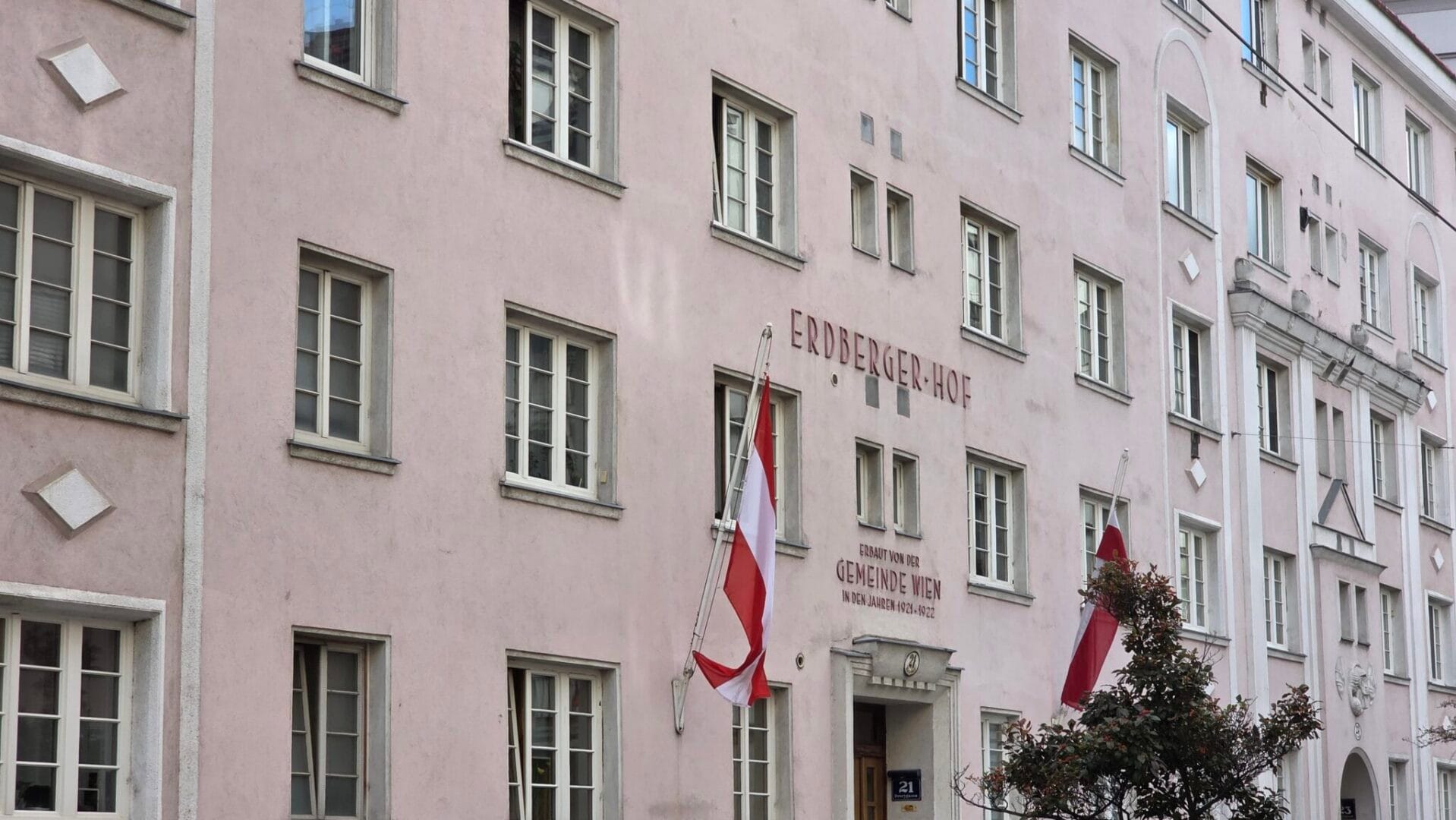
Another thing I love about Vienna is its grandeur, its ability to be magnificent, ceremonial, and even a little excessive. But as you walk through the city, another Vienna constantly appears alongside the imperial one: Red Vienna, with its own architecture and its own ideas about how city residents should live. More than 31,000 buildings in Vienna were constructed before 1919. And today, almost a quarter of the population lives in state-owned or municipal housing, while another 17% live in homes provided by non-profit housing organisations.
We often say that there is always something happening in Vienna. Sometimes it is difficult even to keep track of all the interesting events, especially in summer, when the city’s regular cultural life is joined by outdoor festivals and concerts. Theatres and opera houses alone put on more than 3,300 performances per season. In addition, the city has 27 cinemas with a total of 139 screens. And all of this exists alongside the everyday Viennese life that we so often describe in our concert photo reports.
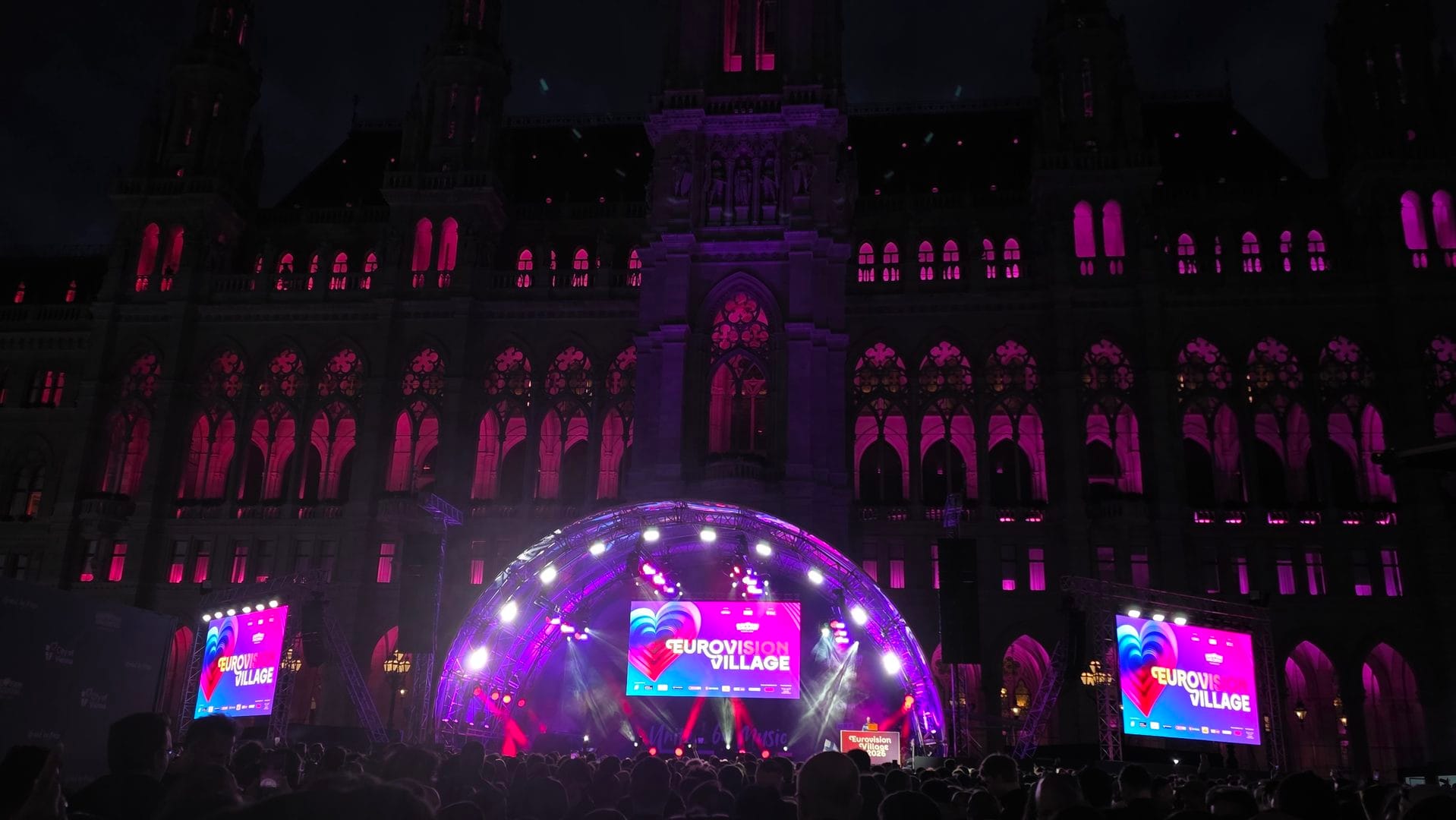
I like the feeling of a city that is constantly active. Behind the beautiful façades, ordinary working life continues: companies open, things are manufactured, and people start their own businesses. More than 1.1 million people are employed in Vienna, which is an excellent figure for a capital with a population of two million.
At the same time, Vienna’s business life has a very down-to-earth side. Agriculture occupies 11% of the city’s territory. More than half of all Austria’s cucumbers and aubergines are grown here — 58% and 57%, respectively. The capital somehow finds time for that too.
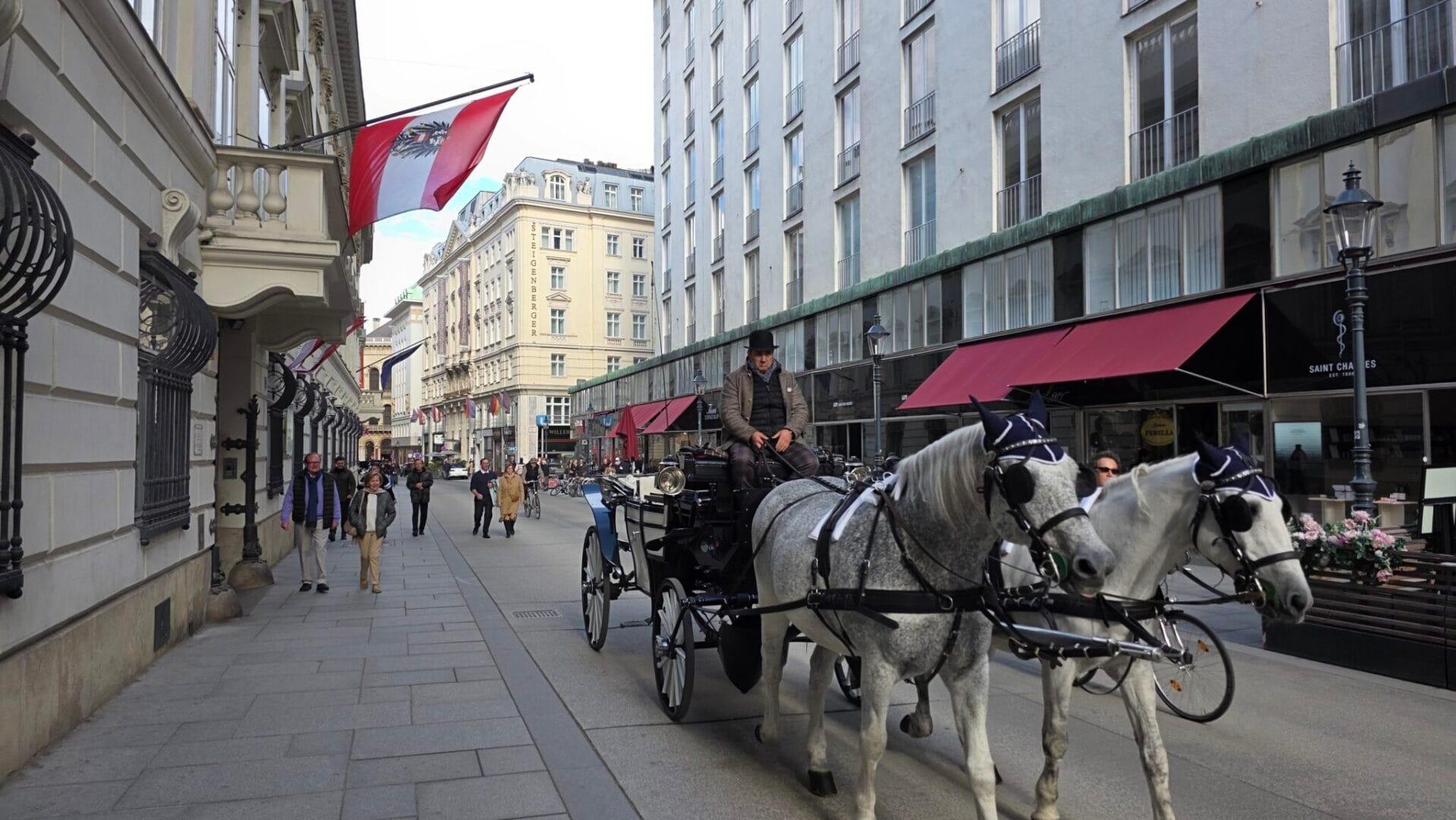
When a city is convenient to live in, you begin taking many things for granted. And amid all this comfort, it is easy to stop noticing the people who maintain it every day. Around 90,000 people work for the City of Vienna. This figure includes employees of the city’s public hospital network and teachers, so imagining that it represents 90,000 bureaucrats would be rather amusing.
Most of the time, I write about Vienna through my own enjoyment of living here: through walks with Julia, music, and those little conveniences that can sometimes be difficult to describe without a lengthy explanation of why something so small can make you happy. And although this is my personal perception of the city, I am far from alone in feeling this way. In one survey, 91% of respondents said they enjoyed living in Vienna. And I think there are good reasons for those feelings.
That’s it! I’m off to enjoy a walk around Vienna and appreciate every day of life in Austria.